
Last updated November 23, 2026
 Whole-home duct cleaning
 Dryer vent cleaning
 Camera inspection
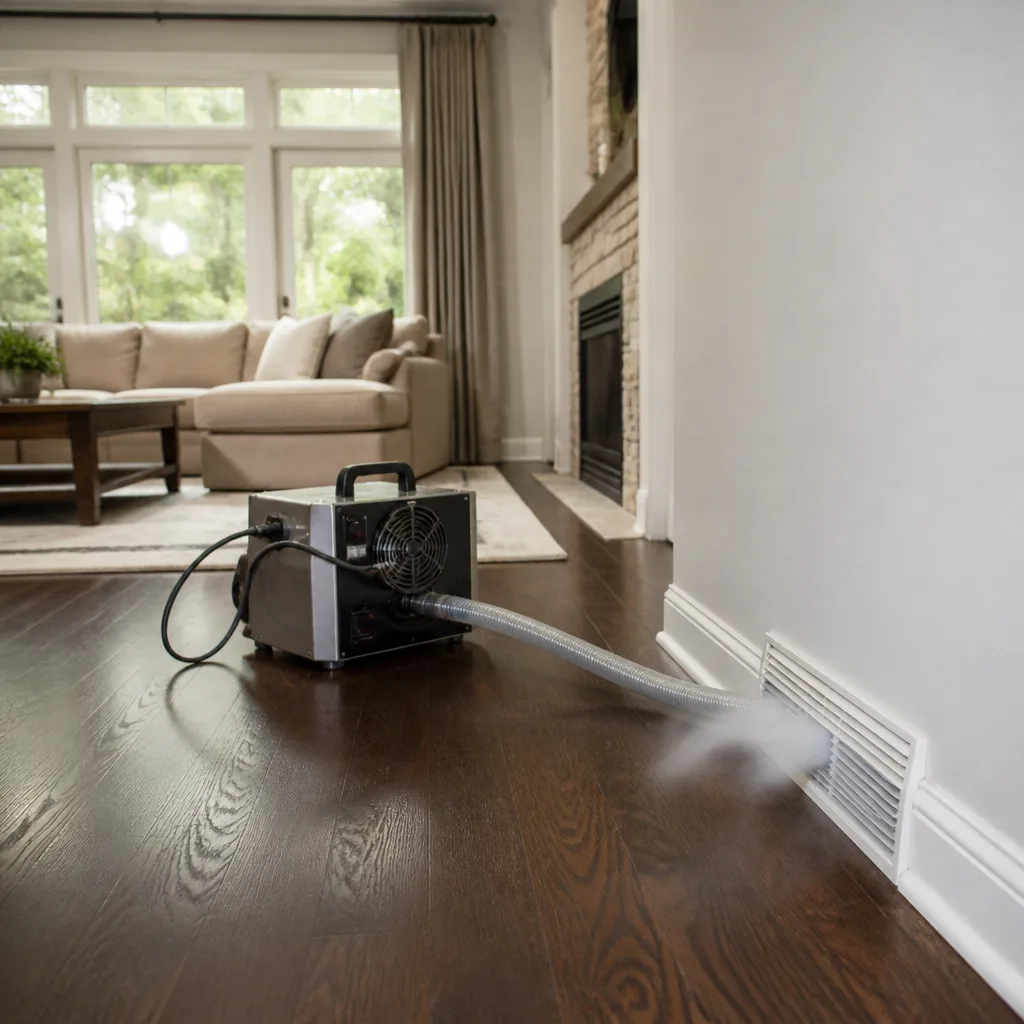 Sanitizing & deodorizing
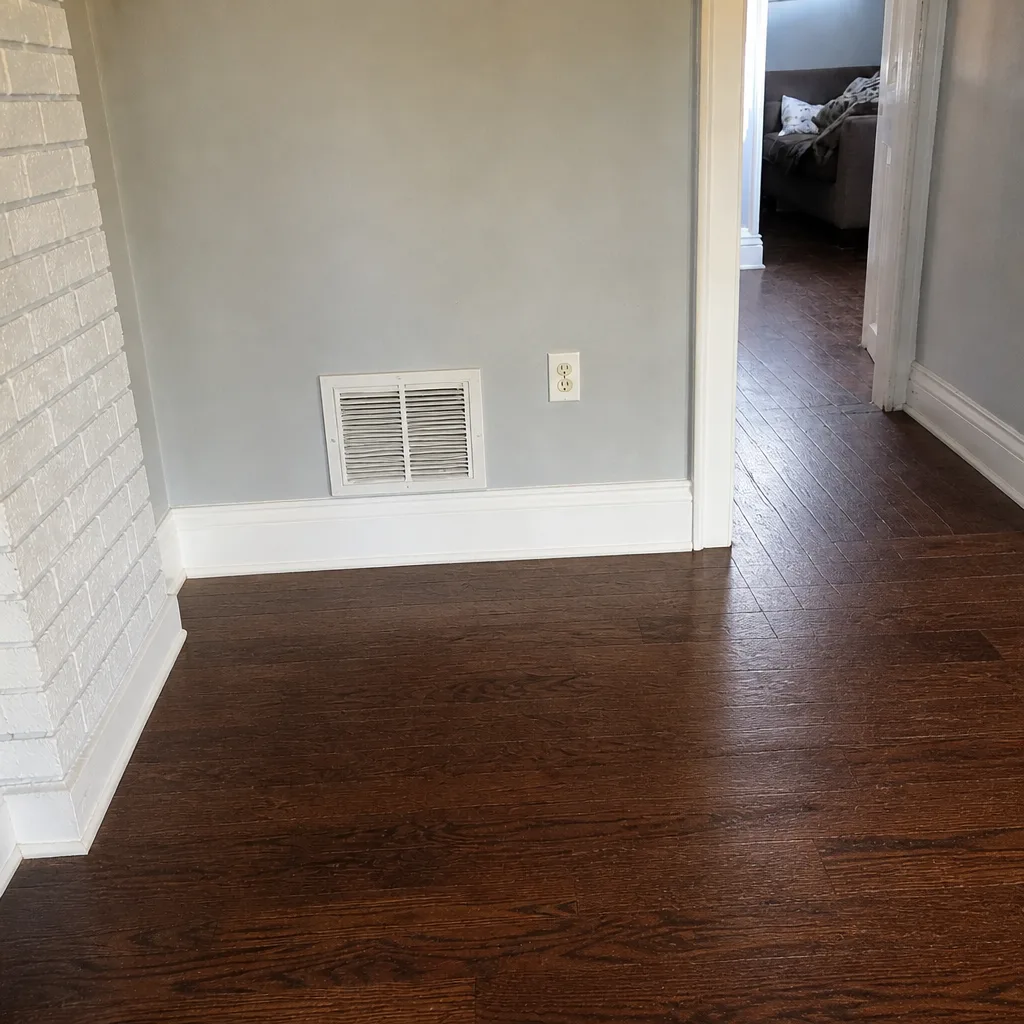
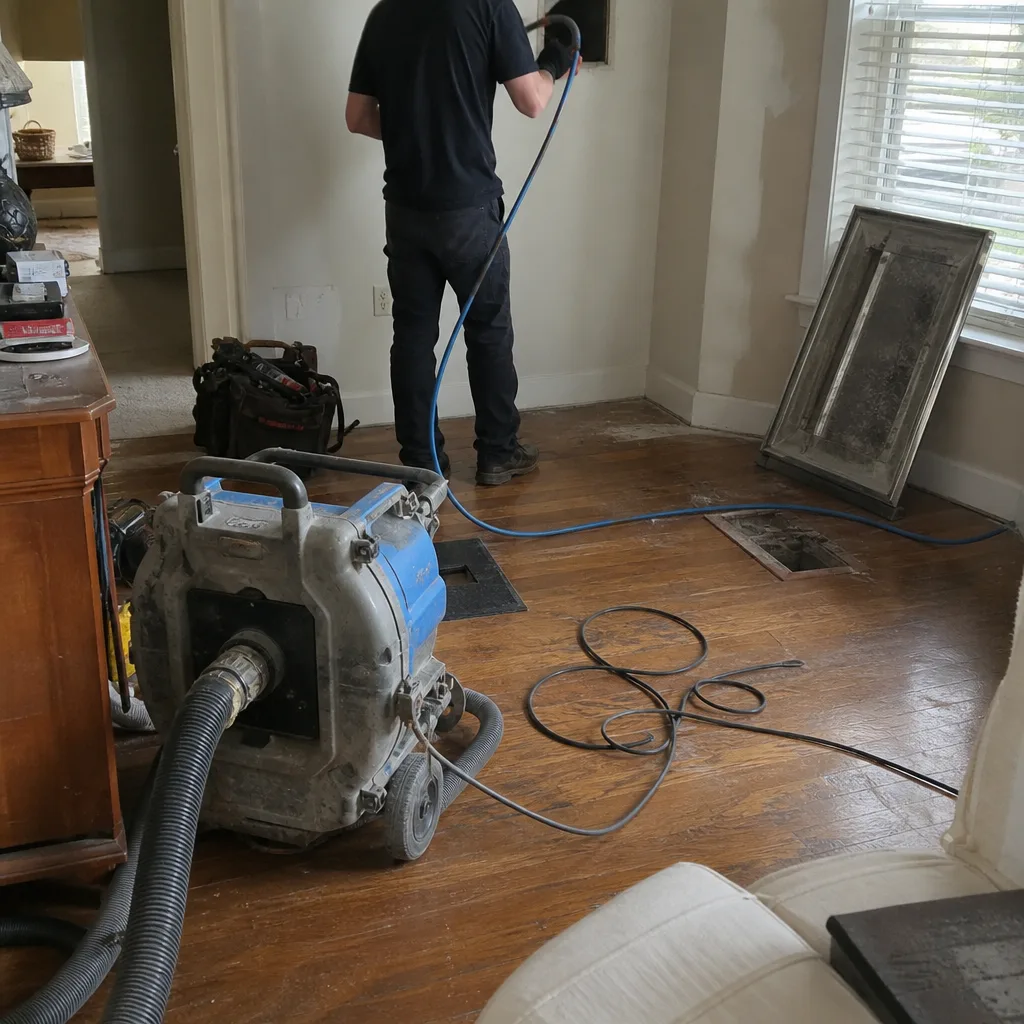
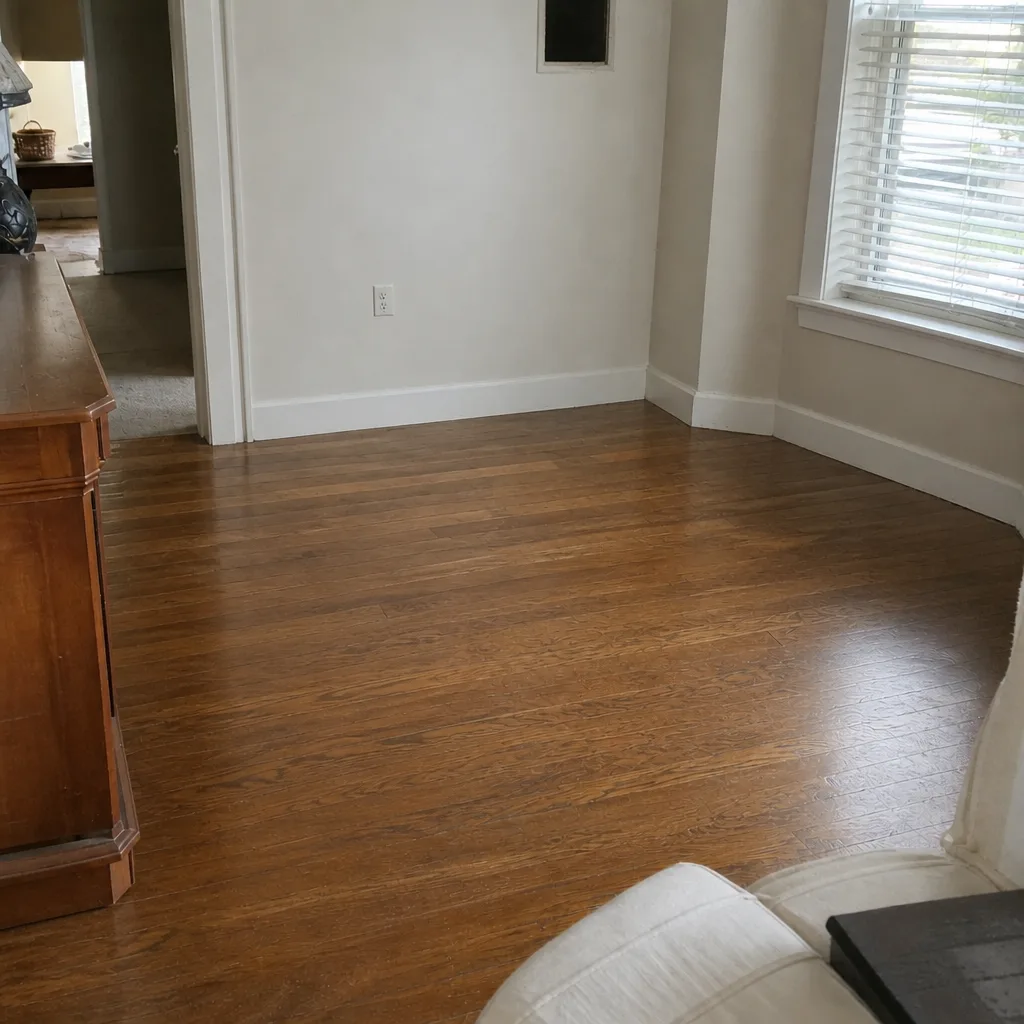
Whole-system duct and dryer vent check with before-and-after photos - you see exactly what came out of your vents
That "$99 whole-house special" is a bait ad - the real number appears once they are in your hallway, or the "clean" is a shop-vac at the register. We photograph the inside of your ducts before and after instead.
Air Duct Cleaning Emergency Preparedness Guide for Plaza Midwood Homes
Most homeowners think about duct cleaning as routine maintenance, something to schedule when the vents look dusty or a renovation kicks up debris. The harder truth is that the moments ducts matter most are the ones nobody plans for. A kitchen fire, a burst supply line, a rodent colony in the attic, a furnace that fails mid-winter: each of these pushes soot, moisture, droppings or combustion byproduct into the same hidden network of pipes that carries air through every room of a Plaza Midwood home. What happens in the first hours and days after an event decides whether you get a properly restored system or a contamination problem you live with for years. This guide gives Plaza Midwood homeowners the protocol before the emergency arrives, so the phone call you make under pressure is the right one.
Quick Answer
After a fire, flood, rodent infestation or major HVAC failure in Plaza Midwood, the duct system needs professional intervention, not a shop vacuum. Post-fire work requires HEPA negative-air containment to extract soot and combustion residue; post-flood work needs to begin within 48-72 hours before microbial growth turns a cleaning job into a remediation job. Document everything and contact your insurer before any cleaning starts, then bring in a contractor using professional-grade equipment like Rotobrush and Abatement Technologies systems.
Styles & brands we work with
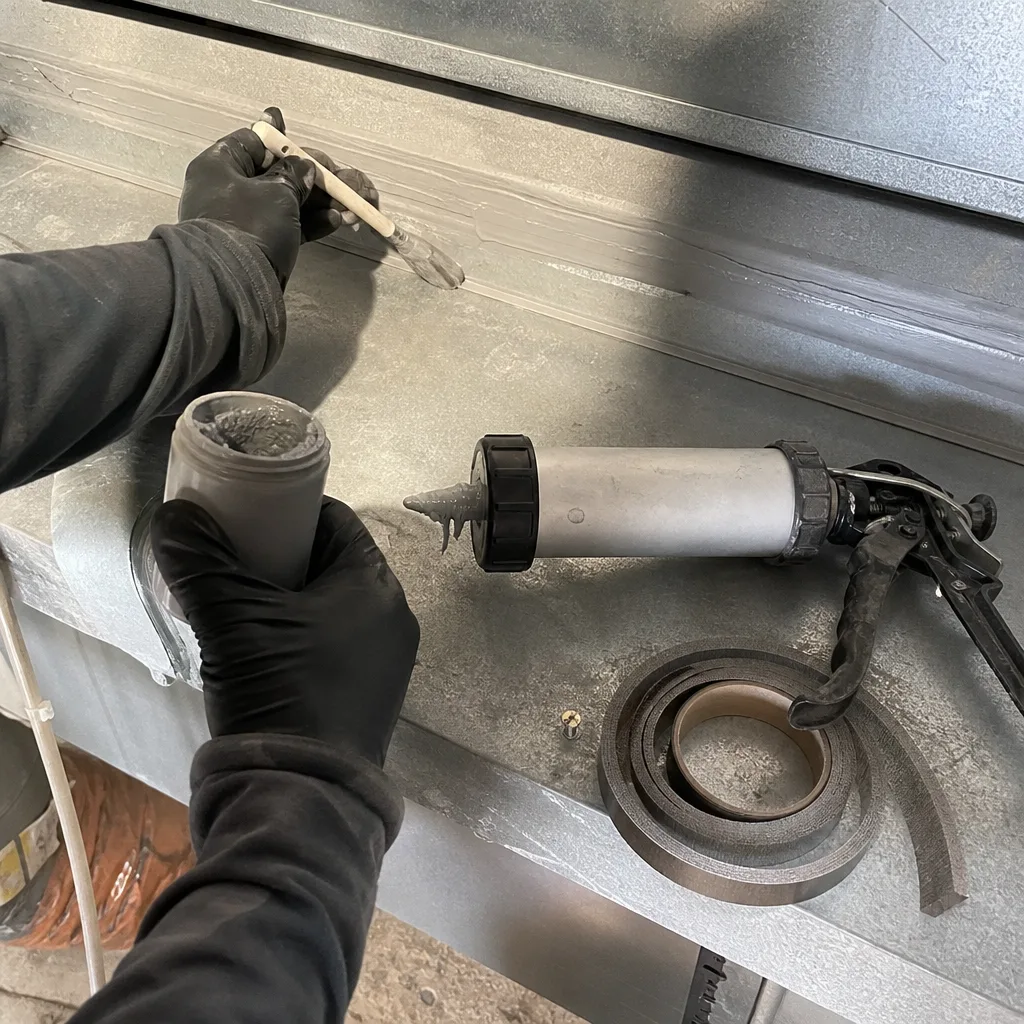
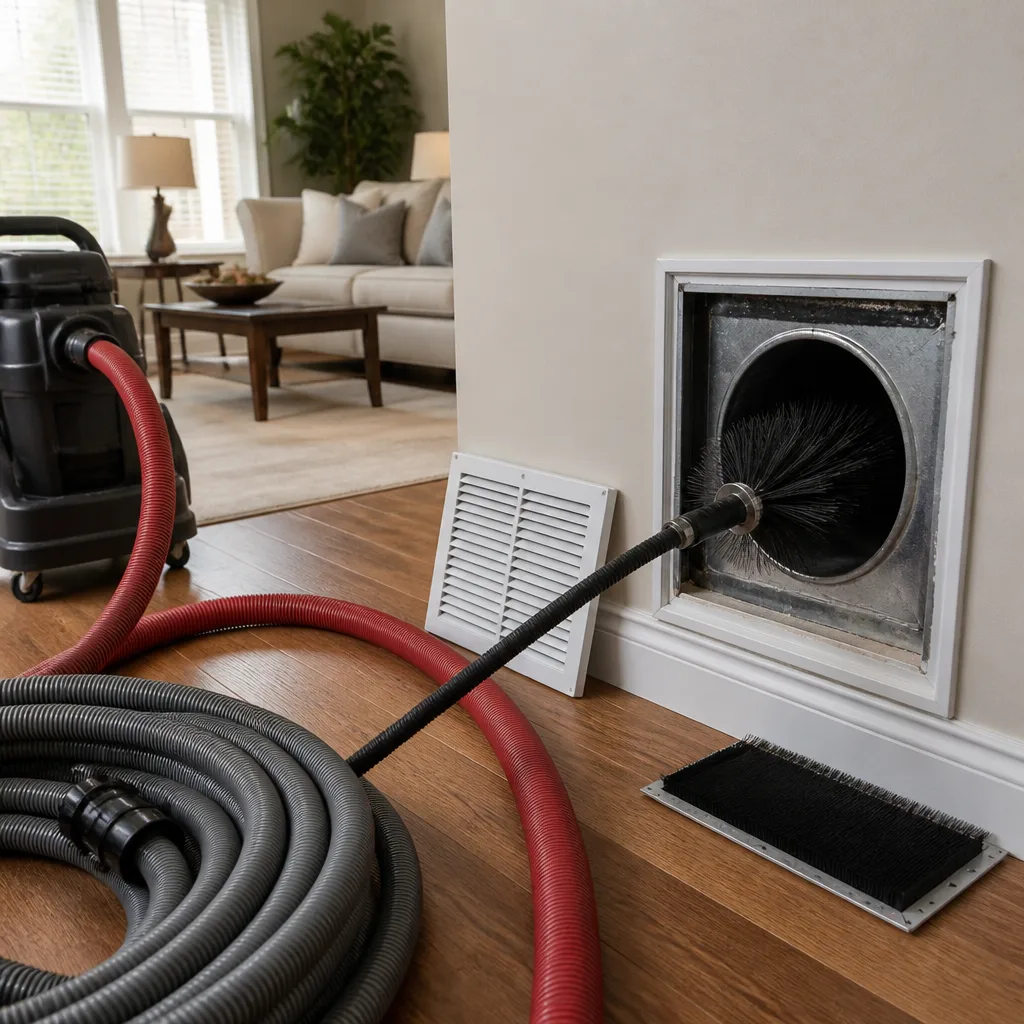
- Whole-home duct cleaning
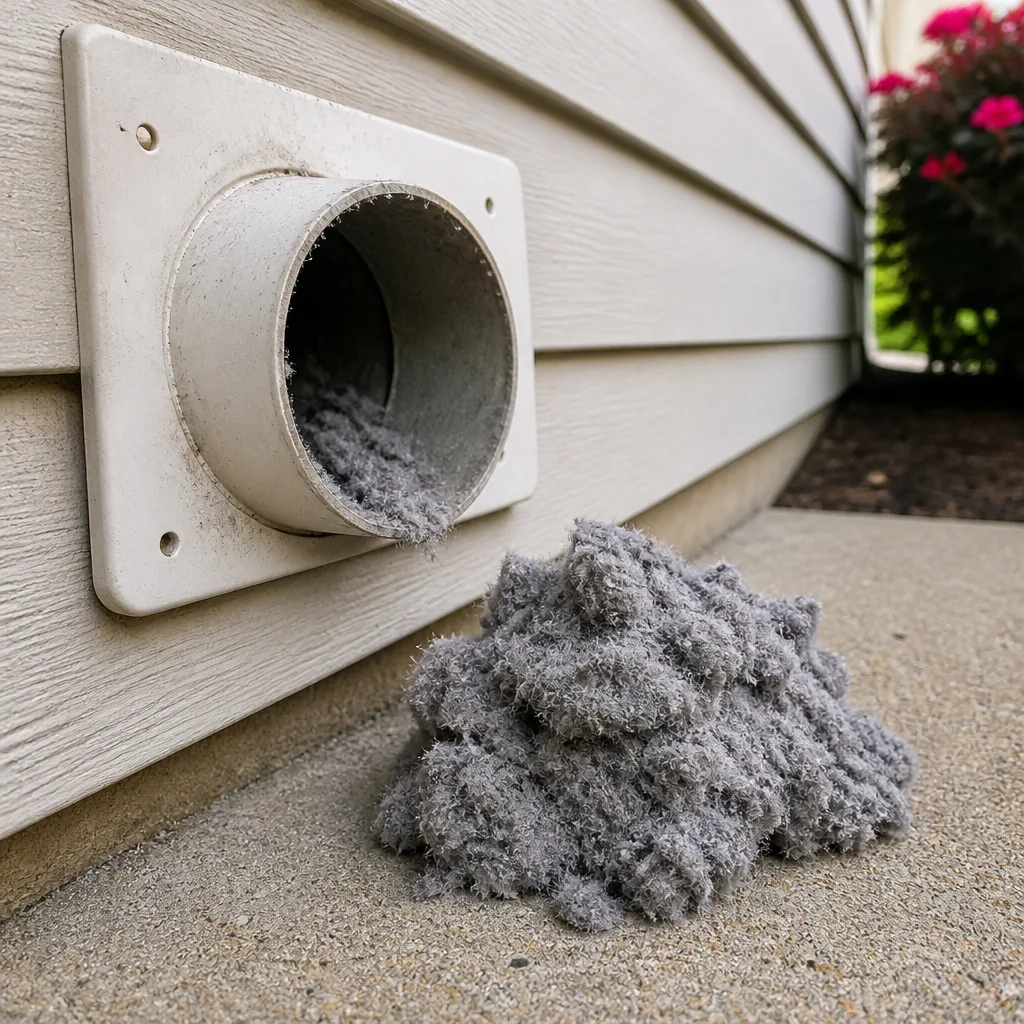
- Dryer vent cleaning
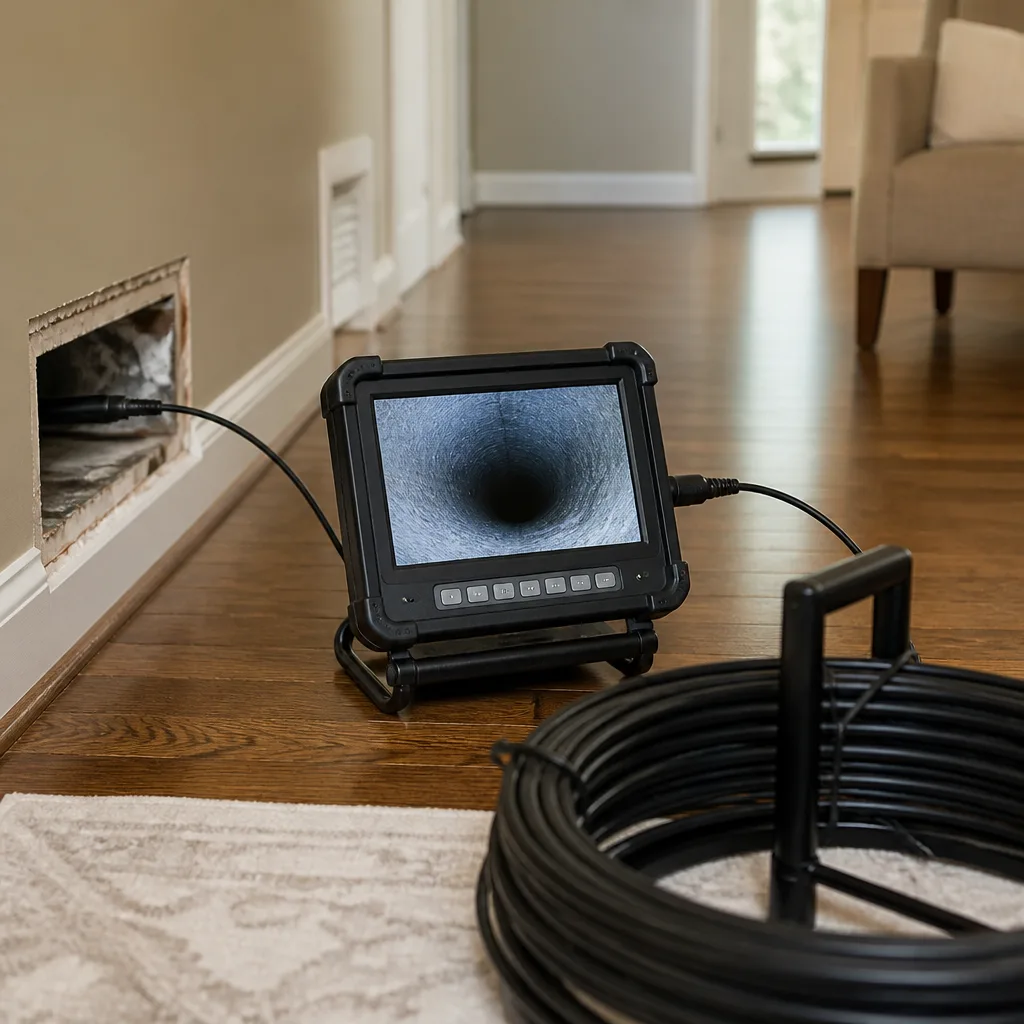
- Camera inspection
- Sanitizing & deodorizing
Table of Contents
- Post-Fire Duct Protocol: Why Standard Cleaning Falls Short
- Post-Flood: The 48-72 Hour Window
- After a Rodent Infestation: Inspection, Extraction and Decontamination
- HVAC Failure Events: Blower Motors, Heat Exchangers and What Documentation You Need
- Building Your Pre-Emergency File
- The Equipment That Separates Restoration from Cleaning
- Plaza Midwood Housing, Climate and Why It Matters
Post-Fire Duct Protocol: Why Standard Cleaning Falls Short
Combustion byproducts move through a duct system within minutes of a fire event. Smoke carries fine soot particles and acidic residue that settle on duct walls, coil surfaces and the inside of every register. A standard cleaning with a rotary brush pulls some of that loose, but it does not neutralize the acidic film or capture the microscopic particles that have bonded to duct liner. That distinction matters in Plaza Midwood, where many homes are older craftsman and bungalow builds with original sheet metal or lined ductwork that traps residue differently than modern flex systems.
Post-fire duct work follows a defined sequence:
- Document before touching anything. Photograph every room, every register, and the air handler. Your insurance adjuster needs a record of pre-cleaning condition, and cleaning before documentation can compromise a claim.
- Contact your insurer. Ask specifically whether duct cleaning is covered under the smoke damage portion of the policy. Many policies do cover it, but only when it is framed as part of restoration rather than routine maintenance.
- Set up negative-air containment. Abatement Technologies negative-air machines create a pressure differential that keeps dislodged soot from migrating into the living space during extraction. Without this, cleaning redistributes particles rather than removing them.
- Extract with HEPA filtration. Nikro HEPA equipment captures fine particulate at the source. Rotobrush rotary-brush systems then agitate and remove the bonded residue from duct walls.
- Sanitize and verify. A post-cleaning sanitizing step addresses odor and residual microbial activity. A final visual check with before-and-after photos closes the job.
The key point for Plaza Midwood homeowners: standard duct cleaning is not a substitute for post-fire restoration. If a contractor shows up with a shop vac after a smoke event, send them away. The protocol is different, the equipment is different, and the insurance conversation is different.
Post-Flood: The 48-72 Hour Window
Water intrusion that reaches the duct system starts a clock. Lined ductwork, common in Plaza Midwood’s older homes, can hold moisture against its interior surface after a burst supply line, a roof leak or a flood event. Within 48 to 72 hours, that trapped moisture becomes a growth medium. Once microbial colonization sets in on duct liner, the job shifts from cleaning to remediation, and the cost and complexity both climb.
What to do in the first hours after water reaches your ducts:
- Shut off the HVAC system. Running the blower pushes humid air through the entire duct network and accelerates the problem.
- Photograph everything: standing water, wet insulation, the air handler, any visible moisture at registers.
- Call your insurer before removing or cleaning anything. Water damage coverage often requires documentation of the pre-mitigation condition.
- Schedule duct inspection and cleaning inside the 48-72 hour window. This is not a job that waits for a convenient appointment slot.
- Ask the contractor to inspect for liner damage. Wet liner that has begun to degrade may need replacement rather than cleaning.
Plaza Midwood sits in a humid subtropical climate with wet summers and occasional heavy rain events. Homes here deal with seasonal moisture more than most, and a duct system that has taken on water needs attention faster than the general “wait and see” advice suggests. If you’ve had any water event that touched the HVAC closet or ceiling returns, get the system inspected promptly. Waiting past the 72-hour mark is the single most common mistake we see after water intrusion in this neighborhood.
After a Rodent Infestation: Inspection, Extraction and Decontamination
Rodents in the duct system leave more than noise in the walls. Nesting material, droppings and urine create a contamination load that standard vacuum equipment cannot safely handle. Disturbing that material with a conventional shop vac aerosolizes pathogens back into the living space. This is why HEPA extraction is the only acceptable method for rodent-contaminated ducts, and why the inspection step comes before any cleaning begins.
A professional inspection after a rodent problem should document:
- Entry points and the extent of the infestation
- Locations of nesting material and droppings within the duct runs
- Condition of duct liner, insulation and flex connections (rodents chew through all three)
- Whether the air handler or coil has been affected
- Photo evidence of findings before any cleaning starts
Cleaning then proceeds in stages. First, negative-air containment using Abatement Technologies equipment isolates the work zone and prevents cross-contamination. HEPA extraction with Nikro or Rotobrush systems removes droppings, nesting material and contaminated dust. After extraction, a sanitizing step addresses residual biological material on duct surfaces. Finally, duct repair and sealing closes the entry points so the problem does not return. A cleaning without sealing is an incomplete job, especially in Plaza Midwood’s older homes where gaps at floor registers and attic connections give rodents easy access.
Do not run the HVAC system during an active infestation. Every cycle spreads contaminated air through the home. Turn the system off, document what you see, and call for inspection.
HVAC Failure Events: Blower Motors, Heat Exchangers and What Documentation You Need
An HVAC failure is not always just an inconvenience. Two failure modes push contamination into the duct system and require immediate attention.
Blower motor failure can send debris, degraded belt material or dislodged insulation into the ducts when the motor seizes or the blower wheel fails. If you notice rattling followed by a system shutdown, or if debris appears at the registers, the duct system needs inspection before the new motor runs.
Heat exchanger cracks are a safety issue. A cracked heat exchanger allows combustion byproduct to enter the airstream, and that byproduct travels directly into the ducts. This is a professional diagnosis, not a homeowner check. If your carbon monoxide detector has alarmed or you notice unusual odors or soot at registers, stop using the system and call for inspection.
Both failure types require documentation for warranty or insurance claims:
- Photos of the failed component and the surrounding area
- Photos of any debris or soot at registers
- Service records from before the failure showing maintenance history
- The HVAC unit’s model and serial numbers
- A written report from the technician describing the failure mode and its effect on the duct system
After a heat exchanger crack especially, duct cleaning is part of returning the home to normal use. Soot and combustion byproduct in the ducts need HEPA extraction and sanitizing before the system runs again. Keep the documentation file; warranties and insurance claims both depend on it.
Building Your Pre-Emergency File
This is the single highest-value exercise in this guide. Thirty minutes of preparation now saves days of scrambling during an actual event. The file does not need to be elaborate. A folder on your phone and a printed copy in a drawer is enough. What matters is that you have the right information ready before you need it.
Here is what goes into a pre-emergency duct file for a Plaza Midwood home:
- System photos. Photograph the air handler, every visible duct run, and every register in the home. Include a wide shot of each room showing the register location.
- A simple duct map. Sketch the duct layout: where the air handler sits, which runs feed which rooms, where returns are located. It does not need to be to scale.
- Equipment records. Model and serial numbers for the furnace, AC unit and any air-quality products such as an Aprilaire humidifier or filtration system. Note install dates if you have them.
- Contractor contact. Save the number for a duct and HVAC contractor you trust before you need one. Save (877) 492-2597 in your phone as a backup contact.
- Insurance policy details. Pull the declarations page and note whether duct cleaning is covered, whether smoke or water damage restoration is included, and what the claim process requires. Call your agent and ask the questions; most homeowners have never checked whether their policy covers post-event duct work.
Keep a digital copy in cloud storage and a printed copy anywhere you would look for emergency information. During a fire or flood you will not want to dig through a filing cabinet. The 30-minute investment means that when an event happens, you know exactly who to call, what to document, and what your policy covers.
The Equipment That Separates Restoration from Cleaning
Emergency duct work is not routine cleaning. The difference is visible in the equipment on site. When a contractor arrives to handle post-event duct restoration in Plaza Midwood, the setup should match the severity of the job.
- Rotobrush rotary-brush extraction. This is the industry benchmark for contact-based duct cleaning. The rotary brush agitates and removes bonded residue from duct walls rather than just pulling loose dust.
- Nikro HEPA filtration. HEPA extraction captures fine particulate, including the soot and biological material that standard vacuums recirculate. This is essential after fire and rodent events.
- Abatement Technologies negative-air machines. These create and maintain negative pressure during cleaning, so contaminants are captured rather than pushed into the living space. Any emergency job without negative-air containment is a red flag.
- Duct repair and sealing tools. Cleaning without sealing leaves the system open to recontamination. Leaks found during an emergency cleanup can be closed on the same visit.
- Honeywell and Aprilaire integration. Post-event is the right time to verify that filtration and humidity control are working correctly. Aprilaire humidifiers and Honeywell filtration products can be inspected and serviced during the same visit.
If a quote for post-event duct work sounds dramatically lower than the next one, ask what equipment the crew brings. The answer tells you whether the job is a real restoration or a surface pass. For routine cleaning, our Air Duct Cleaning Plaza Midwood overview covers the standard process. Emergency work is a different scope entirely.
Plaza Midwood Housing, Climate and Why It Matters
Plaza Midwood’s housing stock is part of why emergency preparedness matters more here than the general advice suggests. The neighborhood’s craftsman bungalows, 1920s-1940s builds and mid-century ranches were constructed with duct systems that have often been modified, extended or partially replaced. Original sheet metal ductwork, retrofitted flex runs, and added-on returns all create seams and gaps that hold moisture, trap soot after a fire, and give rodents entry points. A general contractor’s advice about duct care in a new-build neighborhood does not map onto the realities of a Plaza Midwood home.
The local climate plays in too. Humid subtropical summers mean high interior moisture during cooling season, which makes a water intrusion event more serious because the ducts are already in a wetter state than in a drier climate. Plaza Midwood’s mature tree cover, while one of the characteristics that draws people to the neighborhood, is also a source of storm damage that can lead to roof leaks and water intrusion into HVAC closets and ceiling returns. And the neighborhood’s popularity for renovation means post-construction duct cleanouts are a regular need, with drywall dust and construction debris working into duct runs.
For routine service between emergencies, our air duct cleaning page covers the standard process, our dryer vent cleaning page covers the fire-prevention side of vent maintenance, and our HVAC cleaning page covers system-side cleaning. Emergency work sits on top of all three, and knowing which is which is exactly what this guide is for.
Common Mistakes to Avoid
- Cleaning before documenting. Starting any duct cleaning before photos and insurer contact can compromise a claim. Document first, then clean.
- Using a shop vac on post-fire or rodent-contaminated ducts. Consumer vacuums recirculate fine soot and biological material into the home. The equipment gap is not a small one; it is the difference between restoration and recontamination.
- Waiting past 72 hours after water intrusion. Plaza Midwood’s humid climate makes the microbial growth window tighter than in drier regions. If water reached the ducts, schedule inspection the same week.
- Cleaning without sealing. A clean duct system with open leaks reseeds itself within months. Duct repair and sealing must be evaluated on the same visit.
- Skipping the insurance question. Many homeowners never check whether their policy covers post-event duct work until they need it. Read the policy and call the agent now, not during the emergency.
- Running the HVAC system during an active infestation or after a heat exchanger failure. Every cycle spreads contamination or, in the heat exchanger case, combustion byproduct into the living space. Shut the system off.
- Hiring on price alone after an emergency. The lowest quote after a fire or flood is often a crew without negative-air containment. Ask what equipment is being brought before you book.
See the difference
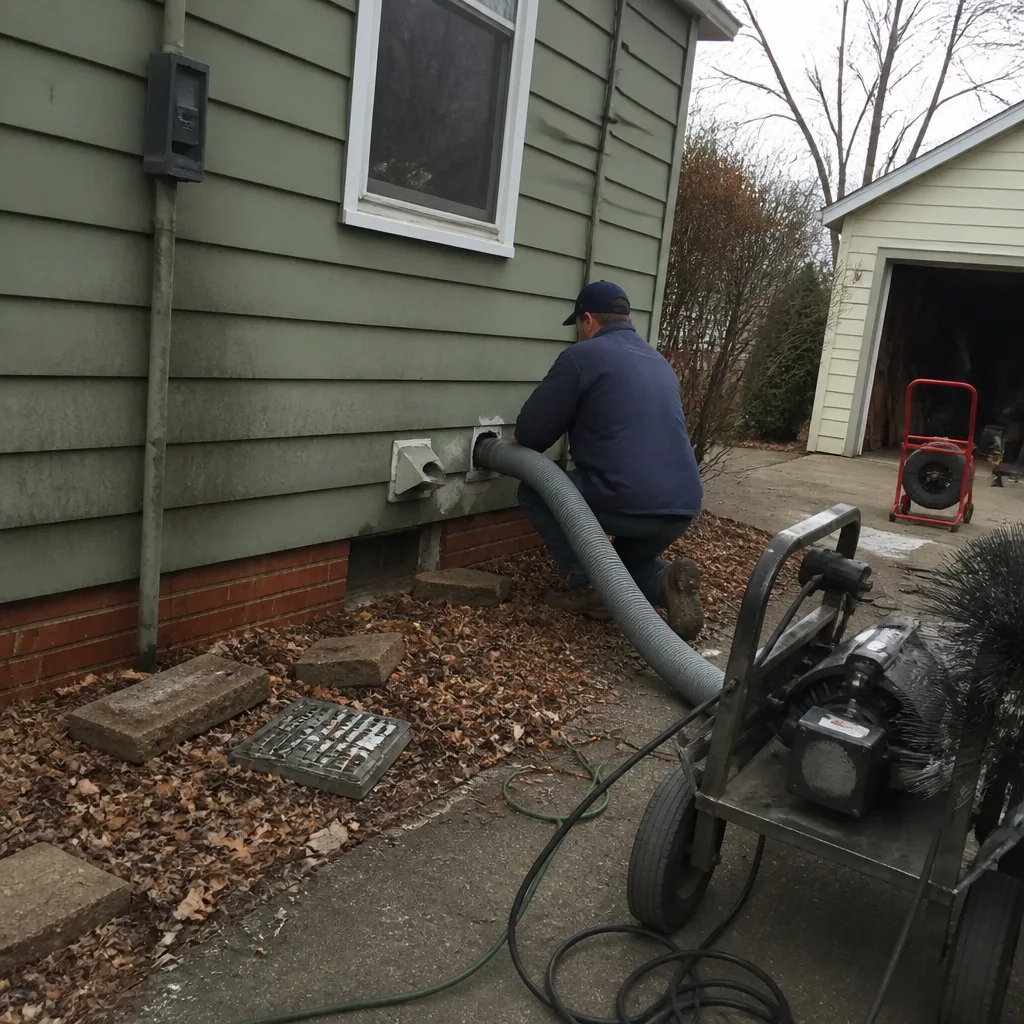 Before
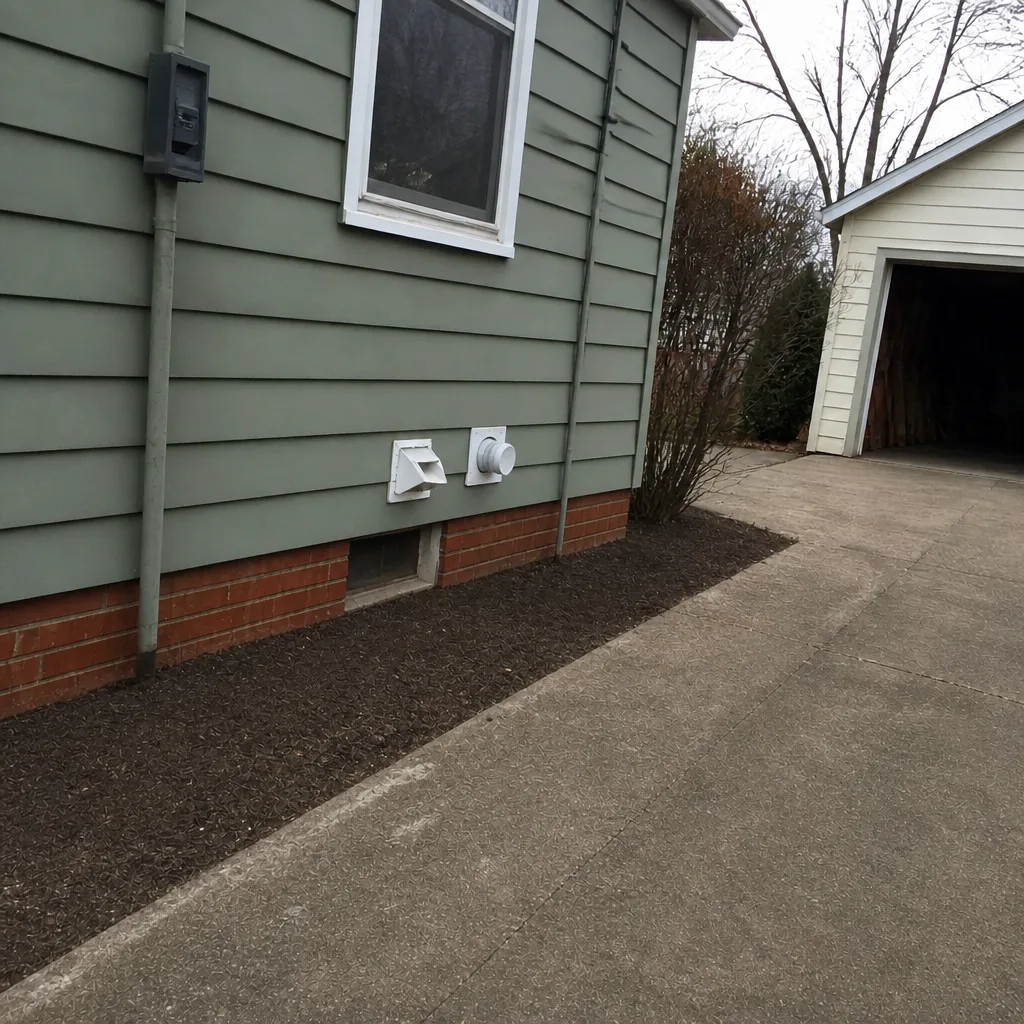 After
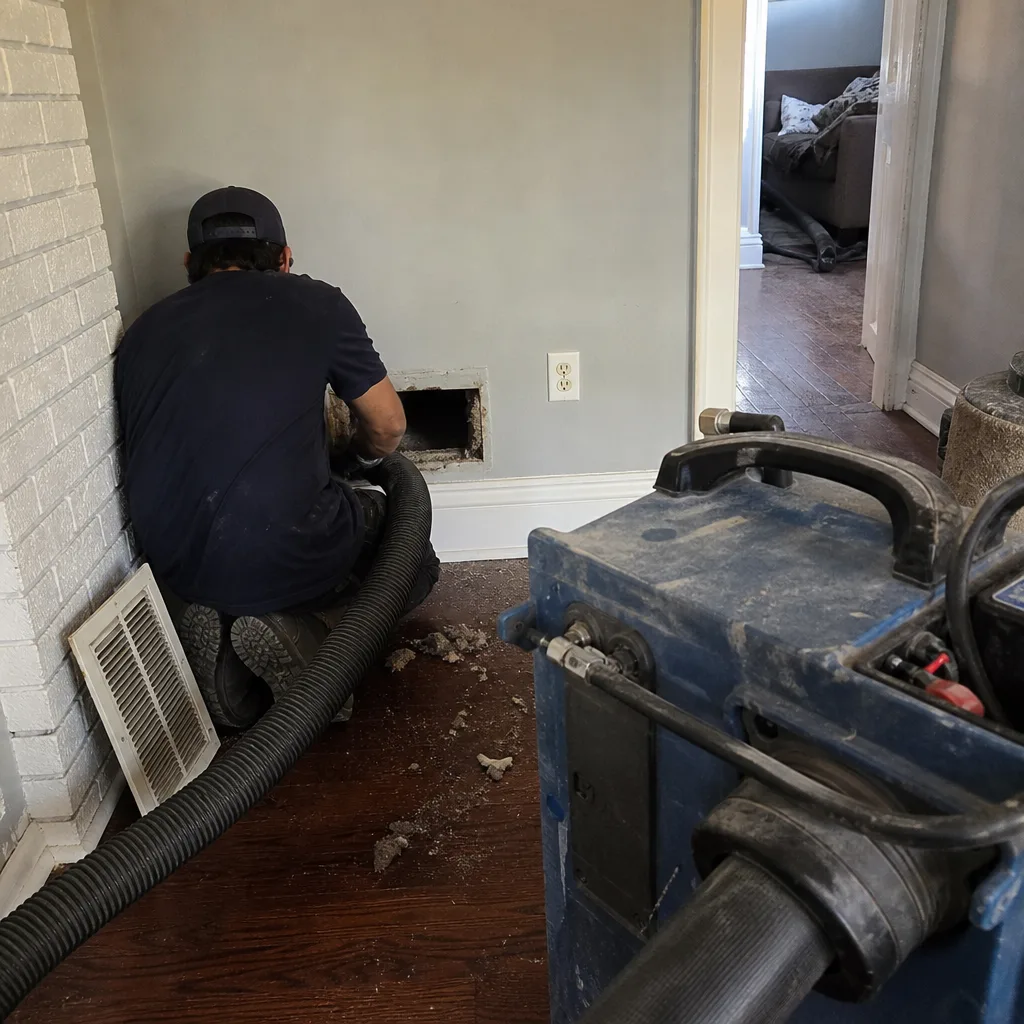 Before
 After
 Before
 After
When to Call a Professional
Call for professional duct intervention after any fire event that produced visible smoke or soot, after any water intrusion that reached the ducts, after a confirmed rodent infestation, or after an HVAC failure involving a blower motor or heat exchanger. Call if you’ve completed a major renovation and drywall dust has been pulled into the system. Call if a carbon monoxide detector alarmed and the cause was traced to the HVAC system. And call before you clean anything if an insurance claim may be involved, because the documentation sequence matters. Air Duct Cleaning Plaza Midwood offers free estimates in Plaza Midwood. Call (877) 492-2597. We answer 24/7. Fast dispatch from 7am to 7pm, Sunday through Friday.
Frequently Asked Questions
As soon as the fire department has cleared the home and your insurer has been contacted and has documented the damage. Soot and combustion byproducts settle into the duct system within minutes of the fire event, and the longer they sit, the more deeply they bond to duct surfaces. Contact your insurer first so the pre-cleaning condition is documented, then schedule professional post-fire duct restoration. Call (877) 492-2597 for a free estimate and we can walk you through the sequence.
It depends on how quickly you act. If cleaning and drying begin within 48-72 hours of water intrusion, the job can usually stay in the cleaning category. Past that window, microbial colonization on wet duct liner can turn it into a remediation scenario requiring more extensive work. In Plaza Midwood’s humid climate the window is real and worth respecting. Call (877) 492-2597 as soon as water reaches the ducts and we will assess whether you’re inside the window.
At minimum, HEPA filtration, negative-air containment, and rotary-brush extraction. Look for Abatement Technologies negative-air machines, Nikro HEPA equipment and Rotobrush rotary-brush systems, which are the professional-grade tools the emergency job actually requires. A crew with a shop vac is not equipped for post-fire or rodent-contaminated work. Call (877) 492-2597 and ask what equipment will be on site before you book.
Often it does, but only when the cleaning is framed as part of smoke or water damage restoration rather than routine maintenance. Policies vary widely, and the claim process usually requires documentation of the pre-cleaning condition. Check your declarations page and call your agent directly. Then call (877) 492-2597 for a free estimate you can share with your adjuster.
Signs include scratching or movement sounds in the walls or ceiling, droppings near registers or at the air handler, unusual odors when the system runs, and visible nesting material at returns. A professional inspection documents the extent of the infestation before any cleaning begins. Do not run the HVAC system until the inspection is complete. Call (877) 492-2597 for a free estimate and inspection.
Build a pre-emergency file: system photos, a simple duct map, equipment model and serial numbers, a contractor contact saved in your phone, and your insurance policy details on hand. Thirty minutes of preparation saves days of scrambling during an actual event. Store a digital copy in cloud storage so it’s accessible from anywhere. Then call (877) 492-2597 to schedule a preliminary inspection and get a trusted number saved before you need it.
The Bottom Line
Emergency duct work in Plaza Midwood is a protocol, not a panic decision. Fire events need HEPA negative-air extraction with insurer involvement before cleaning begins. Water intrusion has a 48-72 hour window before cleaning becomes remediation. Rodent infestations require documented inspection and HEPA extraction, followed by duct repair and sealing to close entry points. HVAC failures involving blower motors or heat exchangers need documentation for warranty and insurance claims. And the single highest-value step is the pre-emergency file: thirty minutes of preparation that means the call you make under pressure is the right one. Professional-grade equipment, not consumer shortcuts, is what makes the difference when the moment arrives.
Written by the team at Air Duct Cleaning Plaza Midwood.