
Last updated November 23, 2026
 Whole-home duct cleaning
 Dryer vent cleaning
 Camera inspection
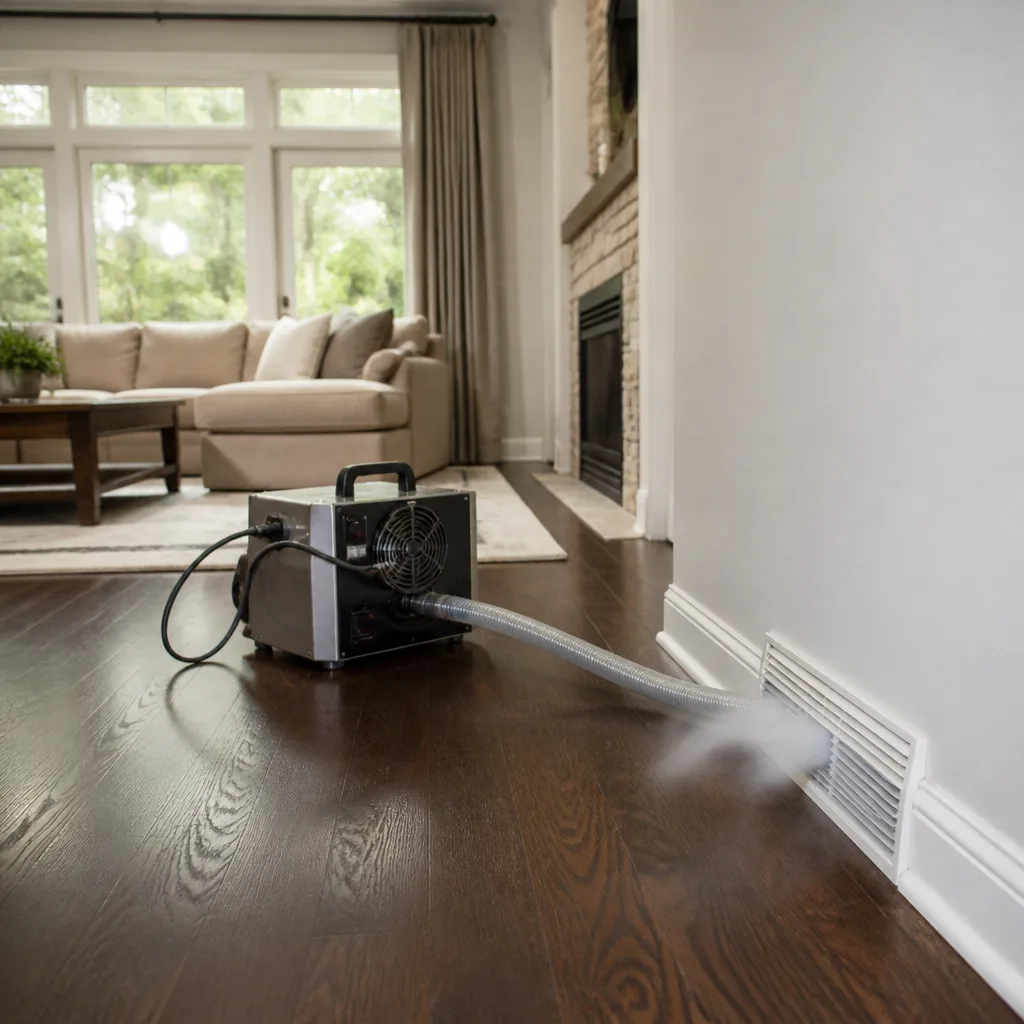 Sanitizing & deodorizing
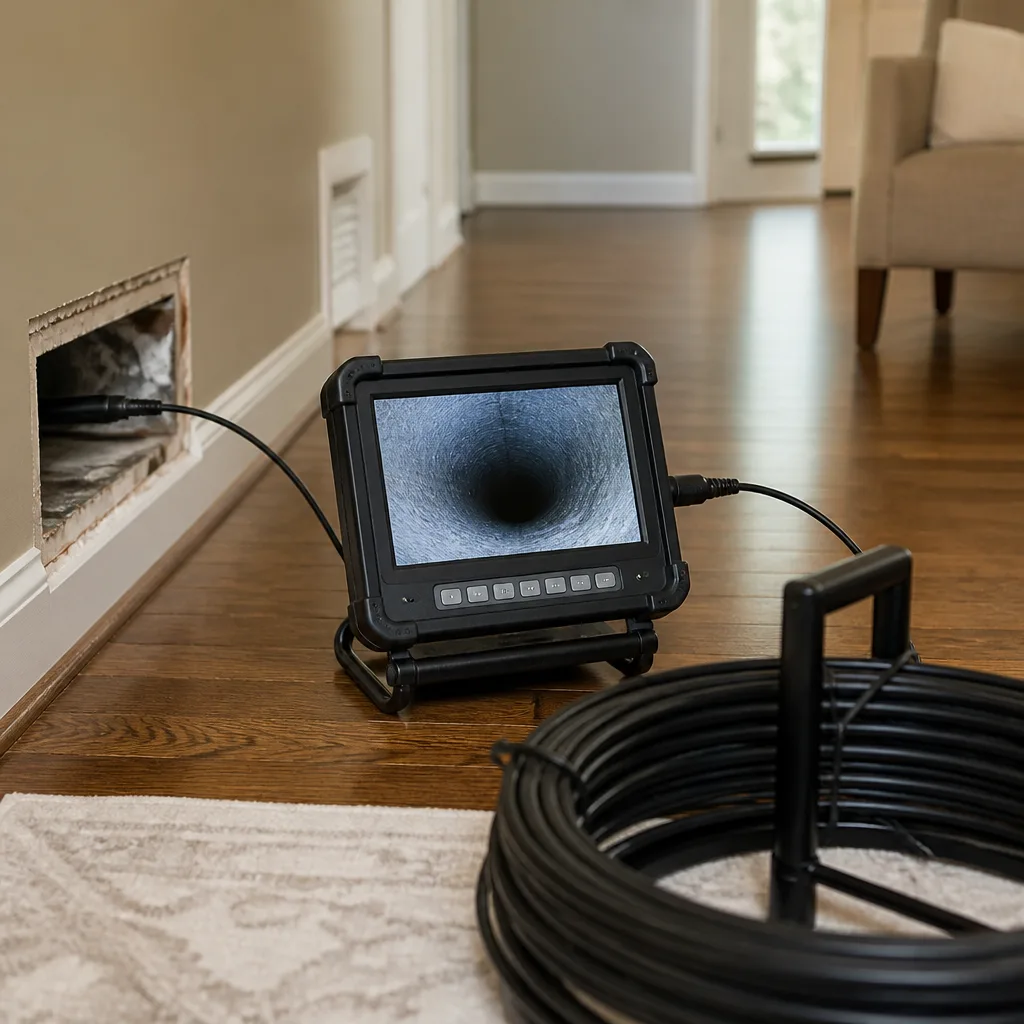
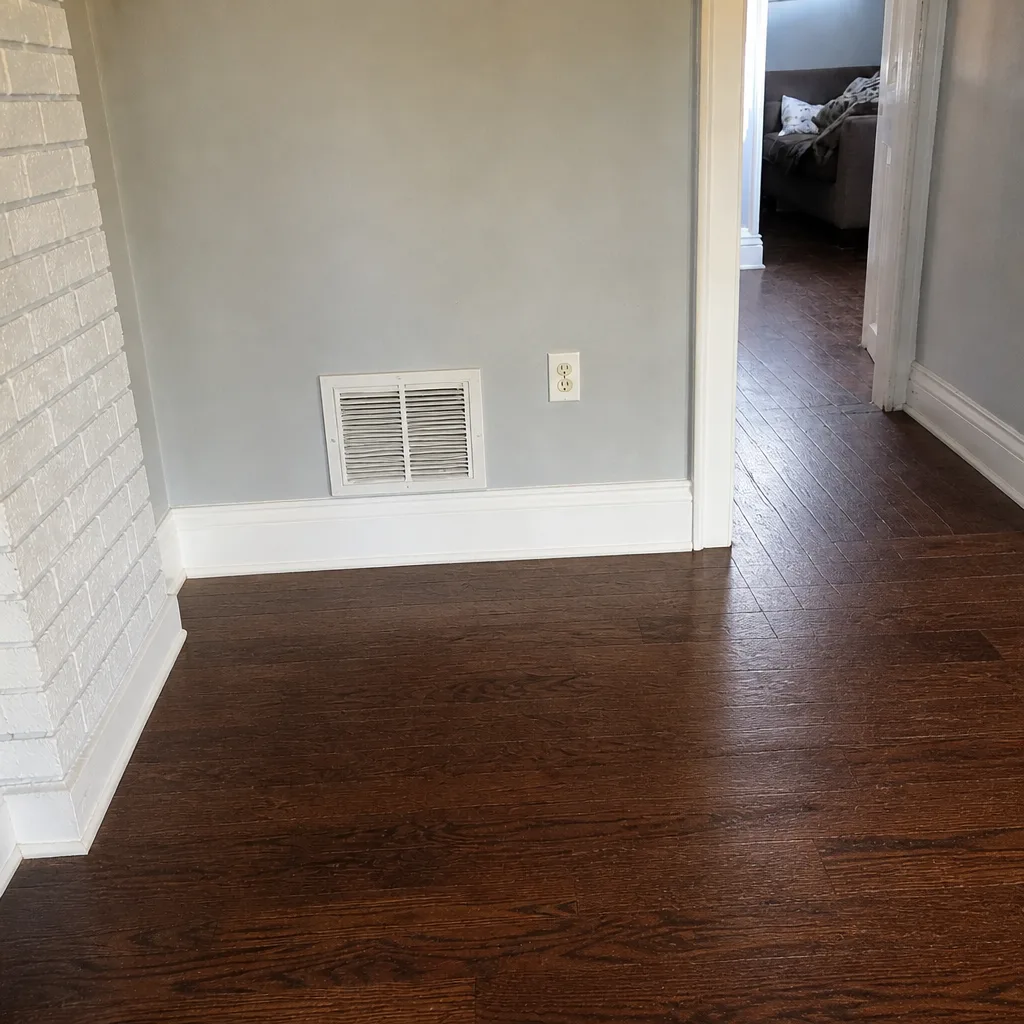
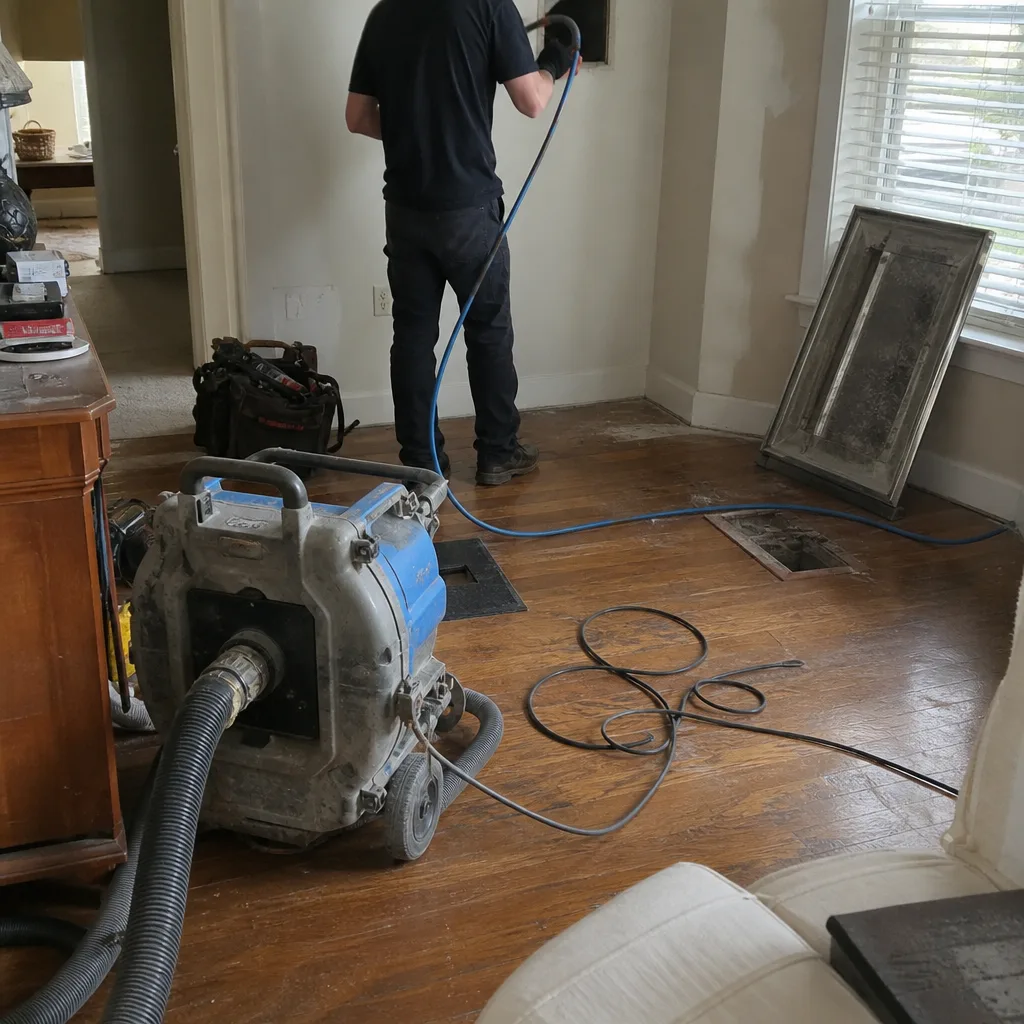
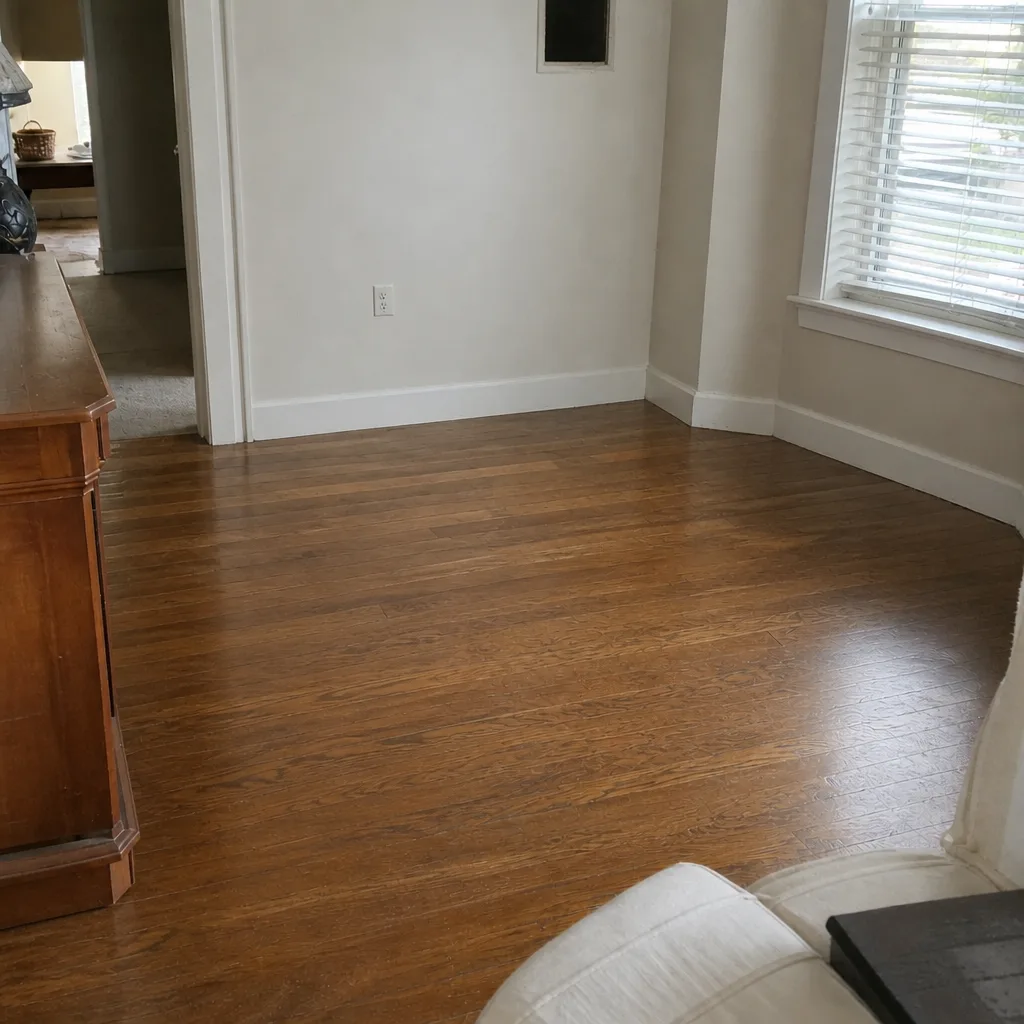
Whole-system duct and dryer vent check with before-and-after photos - you see exactly what came out of your vents
That "$99 whole-house special" is a bait ad - the real number appears once they are in your hallway, or the "clean" is a shop-vac at the register. We photograph the inside of your ducts before and after instead.
Seasonal Air Duct Cleaning Care for Plaza Midwood: Year-Round Homeowner’s Guide
Most homeowners in Plaza Midwood think about their ductwork once a year, usually when a filter looks gray or a vent starts whistling. That single annual pass misses how the Piedmont climate actually works on a duct system. You don’t get one cleaning season in Plaza Midwood. You get four, and each one stresses the system differently. Spring loads it with pollen from the mature tree canopy that defines these streets. Summer turns the cooling coil and drain pan into a damp surface. Fall pushes a year of settled debris back into the air when the heat comes on. Winter thickens the dust layer in the trunk lines. This guide breaks down what’s happening inside your ducts in each of those windows and what to do about it.
Quick Answer
Seasonal air duct cleaning care in Plaza Midwood means treating the duct system as a year-round system, not a once-a-year chore. The highest-value service windows are late winter (before spring pollen) and early fall (before the first heating cycle), with a coil and drain pan inspection in early summer. A single annual cleaning usually misses at least one of these stress periods.
Styles & brands we work with
- Whole-home duct cleaning
- Dryer vent cleaning
- Camera inspection
- Sanitizing & deodorizing
Table of Contents
- Why Plaza Midwood’s Climate Needs a Seasonal Approach
- Spring: The Pollen Intake Window (March – May)
- Summer: Humidity, Coils, and Microbial Growth
- Fall: The Switchover Risk (September – November)
- Winter: Heating Cycles and Dust Stratification
- Building a Seasonal Service Relationship
- What Seasonal Care Costs vs. Reactive Cleaning
- Common Mistakes to Avoid
Why Plaza Midwood’s Climate Needs a Seasonal Approach
Plaza Midwood sits in the North Carolina Piedmont, which means a humid subtropical climate with four sharply different air-quality periods. That matters for ducts because a duct system is not a passive pipe. It’s a capture zone. Whatever enters through the return, through leaks in the supply runs, or through the air handler cabinet tends to stay put until something physically removes it.
In a four-season climate like this one, the system cycles through modes: heating, cooling, shoulder season, heating again. Each cycle stirs settled material and moves it into a new location inside the ductwork. Spring deposits pollen on the interior walls. Summer humidity binds that material to the surfaces and can feed biological growth on wet components. Fall heating dries the material and lifts it back into the airstream. Winter concentrates fine dust in the long, slow-moving trunk lines.
What we see in Plaza Midwood homes on a spring or fall visit often looks the same on the surface and completely different underneath. The visible vent grille looks similar year to year. The interior of the supply runs tells a season-by-season story.
That’s the core reason this guide exists. If you only clean once, you address one of these cycles. If you build a seasonal relationship with one contractor, you address all four, or at least the two that matter most: pre-pollen and pre-heat. Air duct cleaning in Plaza Midwood is not a bigger job than in other neighborhoods, but it is a job with a specific rhythm tied to the local climate.
Spring: The Pollen Intake Window (March – May)
March through May is the highest-risk intake period for outdoor particulates in Plaza Midwood. Charlotte’s urban tree canopy is dense and mature, and the neighborhood’s older housing stock means a lot of homes have returns that pull from close to ground level or from a crawl space that isn’t well sealed. When the pollen count climbs, the duct system becomes a pollen trap.
What makes spring different from other seasons is the particle size. Pollen grains are large enough to drop out of the airstream quickly. That means they settle inside the return plenum and the first section of ductwork rather than traveling all the way to the supply vents. Homeowners often notice dust near the return grille and assume the filter is failing. It usually isn’t. The filter is doing its job on fine particles; the large pollen grains are simply landing where the airflow slows down.
What to do before pollen season
- Replace the return filter in late February or early March, before the pollen starts.
- Check that the filter’s cardboard frame sits flush against the cabinet. A gap of even a quarter inch lets unfiltered air bypass.
- Seal gaps around the return grille and around the air handler cabinet door with foil tape rated for HVAC.
- Walk the exterior of the home and look for open duct runs in the crawl space or attic that have lost insulation or tape.
- Schedule a professional cleaning in late winter so the interior is clean before the pollen load arrives.
The logic here is simple: a clean duct captures more of the pollen that gets past the filter, because the walls aren’t already coated in last year’s debris. A dirty duct has less capacity to trap new material, and the material that lands on it is more likely to lift back into the airstream.
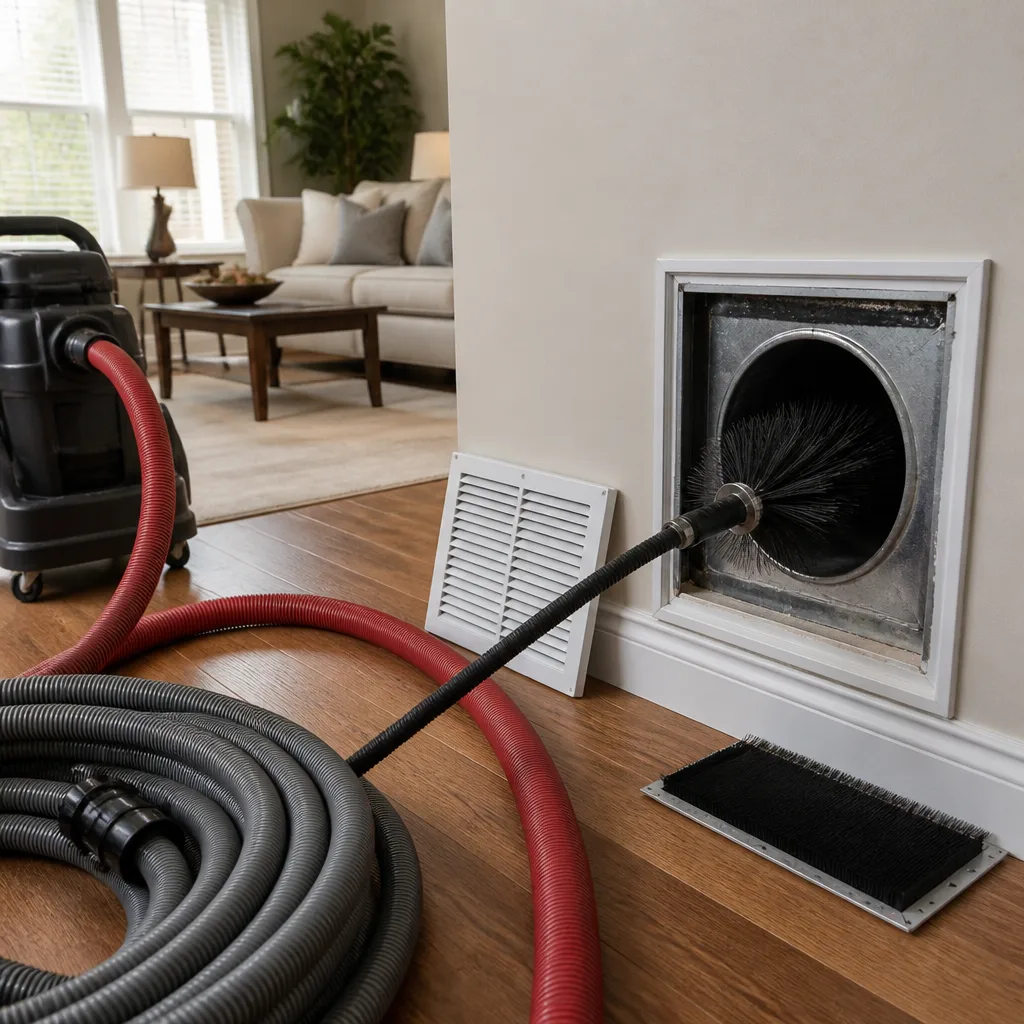
Rotobrush rotary-brush systems work well for this pattern because the contact brush lifts the pollen film off the duct walls rather than just vacuuming the loose material. A vacuum alone can leave that deposit behind.
Summer: Humidity, Coils, and Microbial Growth
Summer in Plaza Midwood means sustained humidity, and a cooling coil that runs for hours at a time is a wet surface. The coil and the drain pan beneath it are the two components inside your HVAC system most likely to develop microbial growth. That growth, once established, spreads. It migrates from the coil face into the supply plenum, then into the interior duct liner on the first several feet of insulated supply run.
What we look for on a summer inspection is specific. A drain pan that holds standing water. A coil face that feels slick or has visible dark patches. A musty smell near the air handler cabinet. Any one of those is a sign that the system is holding moisture where it shouldn’t.
What to inspect and when
- Early summer (June): Check the drain pan for standing water and confirm the drain line is clear. If the pan is holding water, address it before the coil surface is affected.
- Mid-summer (July – August): Look for musty odor near the return grille. Odor is often the first signal that growth has moved from the coil into the air handler cabinet.
- Late summer (September): If you’ve had any cooling issues or the system ran without a filter for a period, a coil-and-cabinet inspection is worth doing. That is when we look at the duct liner.
The reason summer matters so much for a Plaza Midwood home is that the cooling season here is long. A coil that stays wet for months is a different situation than one that dries out seasonally. In our experience, the call we get in August is often about an odor the homeowner has been noticing since early July. That’s a signal to check the coil and plenum before pulling a full duct cleaning, because cleaning a duct system while the coil is still actively growing doesn’t solve the problem. Fix the moisture source first, then clean.
If you’re not sure whether your system needs the full-service treatment, air duct cleaning is a reasonable starting point. We’ll diagnose the coil and cabinet on the same visit.
Fall: The Switchover Risk (September – November)
The HVAC switchover from cooling to heating is the highest-risk single moment for odor and particulate redistribution in a Plaza Midwood home. Here’s why. During the cooling season, the duct system stays cool and often slightly damp. Dust that settles on duct surfaces during that period binds to the walls. When the heat comes on for the first time in October or early November, the system runs dry and warm. The change in temperature and humidity lifts that bound material, and it travels straight into the living space.
Most homeowners describe it as “that first-time-heat smell.” It’s not just a smell. It’s the accumulated dust of an entire cooling season moving back through the vents at the first heating cycle. What that smell actually indicates is that the ductwork and the heat exchanger have been sitting through the cooling season without a cleaning.
What a pre-heat-season inspection should cover
- Supply runs: Check for dust accumulation at the supply vent diffusers. Heavy accumulation there usually means there’s more inside the run.
- Return plenum: Visually check for a debris layer at the base of the return box, where pollen and coarse dust collect.
- Air handler cabinet: Check the blower wheel for dust buildup. A fouled blower wheel throws off airflow and can contribute to the odor.
- Duct connections and joints: Check whether tape or mastic has failed at any visible joint. A gap here lets unconditioned attic or crawl space air pull into the system when the furnace blower runs.
- Filter condition: Replace the filter before the first heating cycle, not after.
The pre-heat inspection is also when we can find the leaks that undermine the system’s efficiency. Duct repair and sealing is a natural part of any fall visit, because a leak that’s obvious when the system is under heating pressure is often invisible during the cooling season. An Abatement Technologies negative-air setup during the cleaning keeps dislodged debris contained so it doesn’t migrate into the living space before you can get the system sealed.
Winter: Heating Cycles and Dust Stratification
Winter changes how dust moves in the system. During peak heating months, the blower runs more consistently, and the return pulls warm dry air through the filter at a steady rate. Fine dust and dander, the material small enough to stay airborne, travels the length of the supply trunk and settles where the trunk slows down and turns. Over a heating season, the long runs to the far rooms build a visible layer.
Two things happen as a result. First, the filter loads faster than it does in the cooling season, because the system is pulling more air and every bit of fine material that enters the return ends up on the filter. Second, the duct walls in the trunk lines thicken with dust that the filter couldn’t catch because it was already downstream of a leak.
Filter intervals during peak heating
If you replace your standard one-inch filter every 90 days during the cooling season, consider shortening that to every 60 days in the peak heating months. If your home runs a thicker media filter, the interval needs to be checked more often. In practice, the right interval depends on how many pets you have, whether anyone in the household has allergies, and whether the home is near a busy street. The general rule for winter is: shorter than summer, and inspect rather than assume.
This is where a proper air-quality upgrade earns its keep. An Aprilaire media filter cabinet can hold a thicker filter and trap finer particles than a standard slot filter, which reduces what reaches the duct walls in the first place. The same idea applies to whole-home humidity control in the winter. Air that’s too dry increases dander lift and static in the system. Aprilaire equipment lets you address both filtration and humidity in one installation, and it’s a natural extension of winter duct care rather than a separate project.
Building a Seasonal Service Relationship
The difference between a well-maintained duct system and a struggling one is rarely the equipment. It’s the rhythm. Homes that get regular, seasonal attention have cleaner systems because problems are caught in the season they form, not the season they become obvious.
Here’s what that rhythm looks like in Plaza Midwood:
- Late winter (February – early March): Cleaning and filter replacement before spring pollen load.
- Late spring (May): Coil and drain pan inspection before peak cooling season.
- Late summer (August – September): Coil check and duct repair if leaks were found in the spring.
- Early fall (September – October): Cleaning and duct sealing before the first heating cycle.
If you’re only going to do two of those, do late winter and early fall. Those are the two windows where duct condition changes fastest and where a cleaning actually changes what’s moving through the air in the home.
What to look for in a contractor who can support that rhythm:
- Professional-grade equipment: Rotobrush rotary brush, Nikro HEPA filtration, and Abatement Technologies negative-air containment are the baseline for a real cleaning. A shop vac and a hose isn’t.
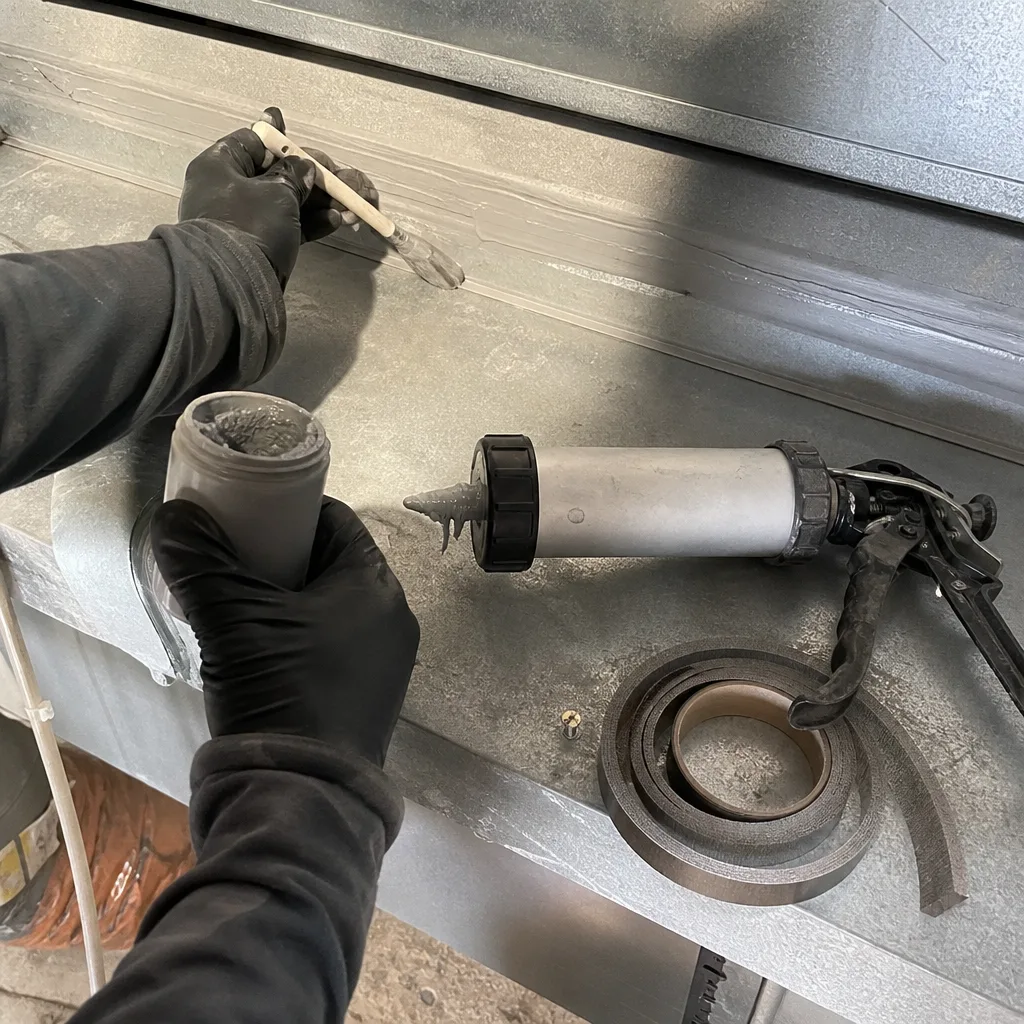
- Duct repair and sealing in scope: A cleaning that leaves the leaks in place is a partial job. You want one contractor who can find and fix the leaks.
- Documented before-and-after: Photos of your own ducts, not a stock image.
- Brand-name air-quality products: Honeywell and Aprilaire are the standard for filtration and humidity control. If the contractor can’t name what they install, that’s a signal.
- Full scope under one roof: Cleaning, sealing, dryer vent, HVAC, air-quality and sanitizing should be the same conversation. HVAC cleaning and dryer vent cleaning are natural parts of the same seasonal visit.
We bring the same systems commercial contractors use into your home. That’s the standard we hold ourselves to. It’s also the standard you should ask for when comparing seasonal-care providers in Plaza Midwood.
What Seasonal Care Costs vs. Reactive Cleaning
Seasonal care in Plaza Midwood typically ranges from $350 to $700 per year across a two-visit cleaning schedule, with duct repair and sealing priced separately if leaks are found. Reactive cleaning, done once after a visible problem, tends to land in a similar range for the cleaning alone but usually includes a repair or coil service that would have been caught earlier in a seasonal plan.
A rough line-item view of what seasonal care involves:
| Service | Typical estimate range | Timing |
|---|---|---|
| Full-system duct cleaning (whole home) | $300 – $550 | Late winter or early fall |
| Coil and drain pan inspection | $90 – $175 | Late spring or mid-summer |
| Duct repair and sealing (per leak zone) | $150 – $400 | When leaks are found during cleaning |
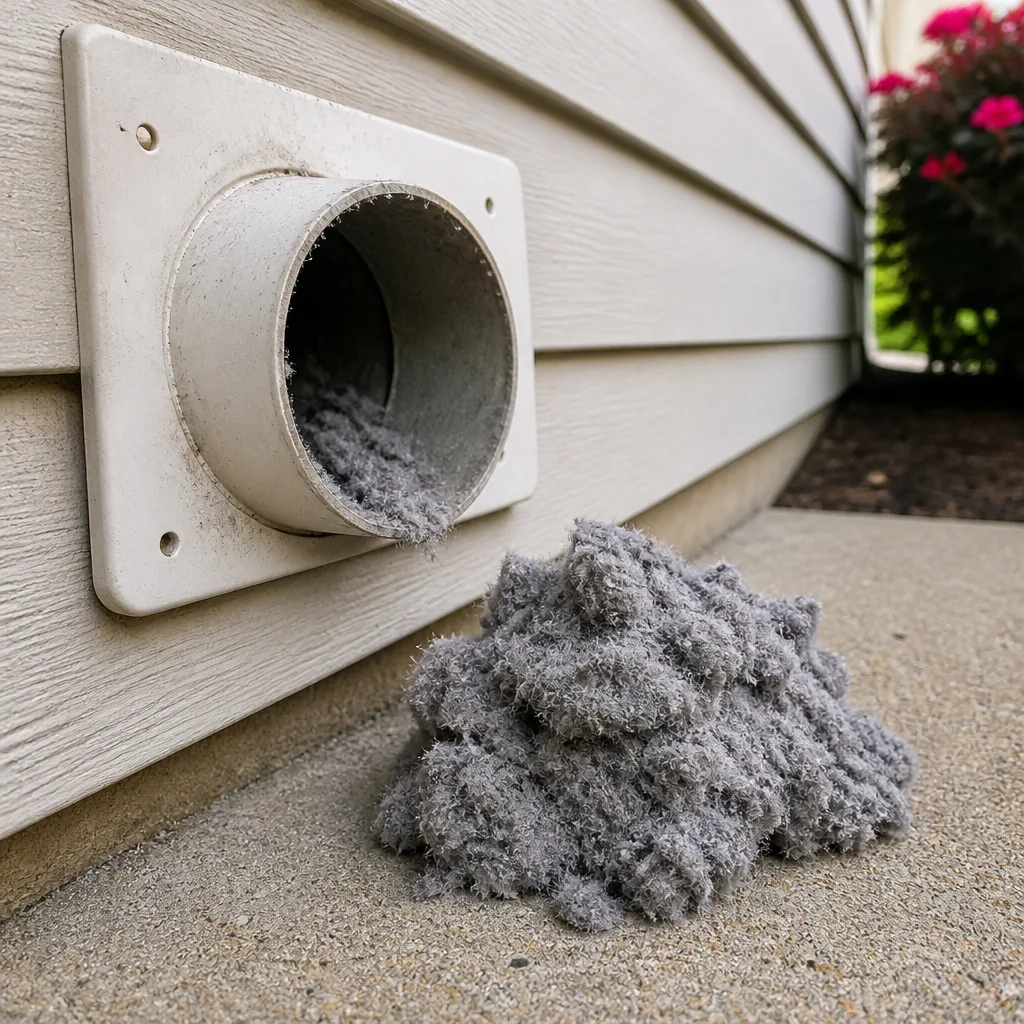
| Dryer vent cleaning | $90 – $175 | Once per year |
| Air-quality upgrade (Aprilaire media filter or humidity control) | Quoted per installation | Early fall, before heating season |
These are typical estimates for the Plaza Midwood market, and the written estimate sets the final price. What pushes the range higher is home size, number of supply and return runs, and whether the cleaning is routine or post-renovation. A post-construction cleaning after a kitchen or bathroom remodel is a bigger job than a mid-season maintenance clean.
One flat price per system, agreed before work starts, is standard in our service. There is no per-vent pricing, and before-and-after photos of your own ducts are part of every job. That’s what makes a seasonal comparison honest. When a company quotes seasonal care, the before-and-after record is what you compare year to year.
If you’ve just finished a renovation and want an honest starting point, a full cleaning plus a leak check is the right entry point. Duct repair and sealing capability means any leak found in the cleaning can usually be handled on the same visit.
Common Mistakes to Avoid
- Cleaning once a year and calling it done. A single annual cleaning in Plaza Midwood addresses one of the four seasonal stress periods and leaves the other three to accumulate. The reset that matters most is pre-pollen and pre-heat.
- Replacing the filter but never inspecting the duct. Filters catch fine particles, not the coarse material that settles in the return plenum. If your filter is new and your vents are still dusty, the duct interior is the issue.
- Cleaning without fixing leaks. A duct cleaning that doesn’t include a leak check leaves the biggest efficiency problem in place. Duct repair and sealing closes the leaks so the cleaning actually holds.
- Ignoring a first-heat odor in the fall. That smell is the cooling season’s dust coming back into the house. It’s a signal to clean before the heating cycle runs consistently, not after.
- Skipping the summer coil inspection. A drain pan with standing water is a signal to address the moisture before the coil needs service. It’s a much smaller job than a system that’s been growing for months.
- Booking a cleaning with consumer-grade equipment. A shop vac doesn’t create negative-air containment. Abatement Technologies negative-air machines are the difference between captured debris and redistributed debris.
- Treating seasonal care as a coupon race. A low teaser price that becomes a much larger invoice once the technician is on site is the industry’s worst habit. One flat price per system, agreed before work starts, is the alternative.
See the difference
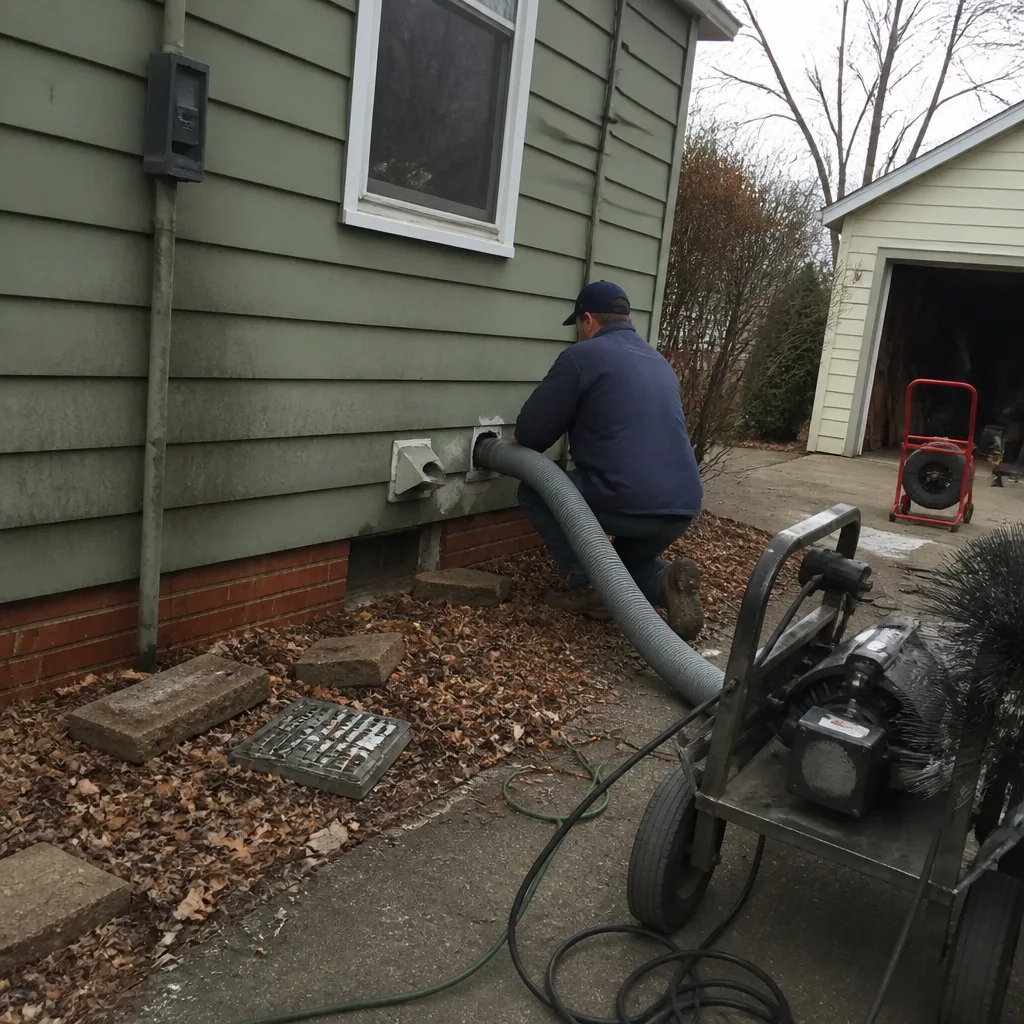 Before
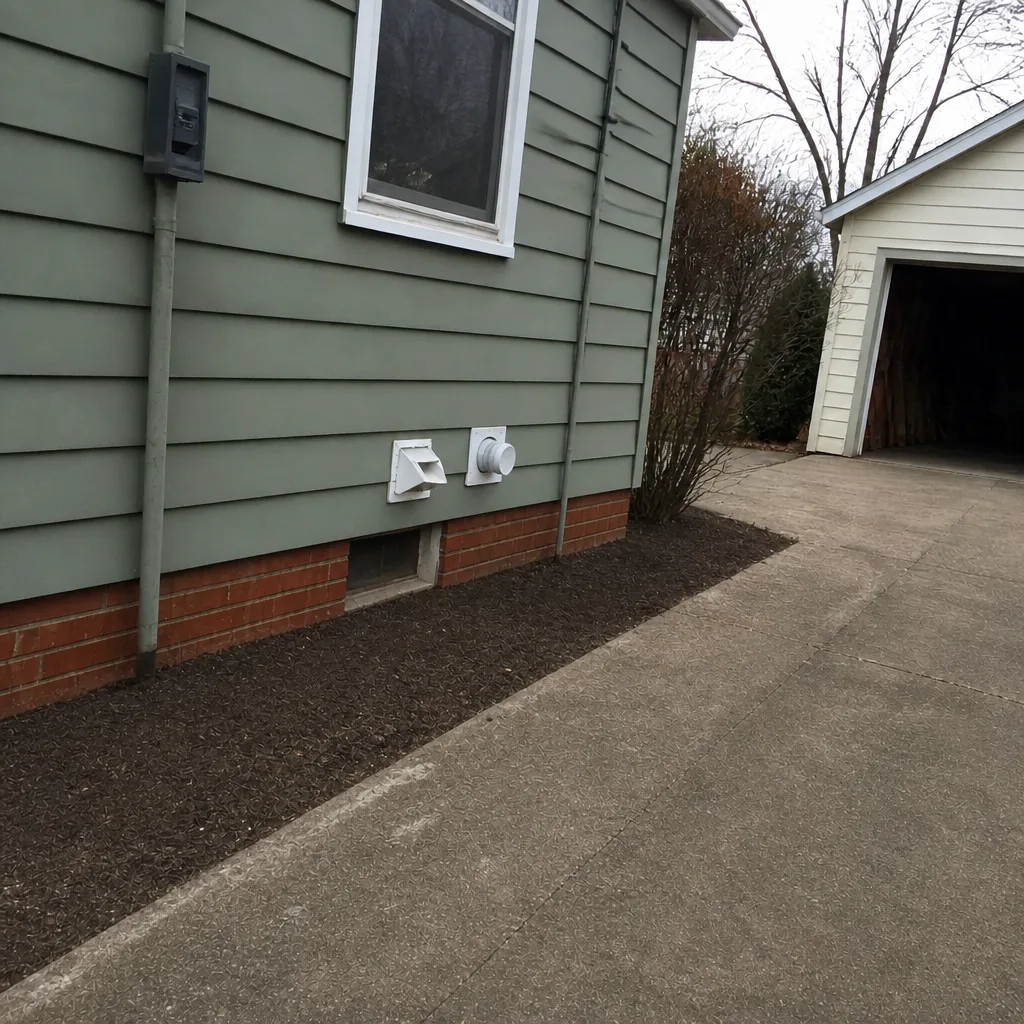 After
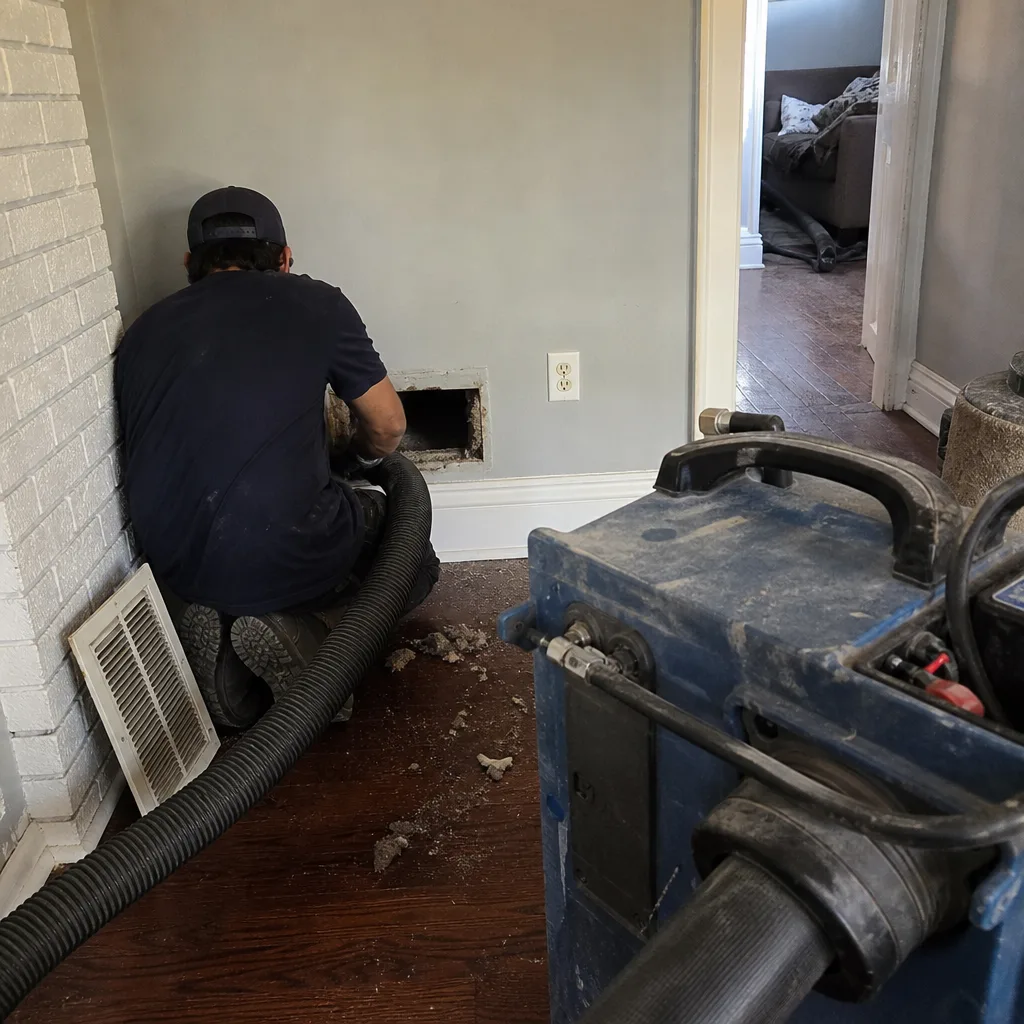 Before
 After
 Before
 After
When to Call a Professional
You should call a professional when you notice any of the following in Plaza Midwood: a persistent musty odor near a vent or the air handler, a visible dust trail at the return grille that returns within days of cleaning, a first-heat smell in the fall that lasts more than a few days, an allergy household that feels worse after turning the system on, or a recent renovation that included drywall work or a floor refinish. Call us promptly if the coil or drain pan shows standing water, since that can become a microbial issue inside the duct liner if it isn’t handled. Air Duct Cleaning Plaza Midwood offers free estimates in Plaza Midwood, call (877) 492-2597. We answer 24/7. Fast dispatch from 7am to 7pm, Sunday through Friday.
Frequently Asked Questions
Most Plaza Midwood homes get the best result from two cleanings per year: late winter, before spring pollen, and early fall, before the first heating cycle. A single annual cleaning covers one season’s stress but leaves the others to accumulate. If your household has allergies, pets, or has just finished a renovation, two cleanings per year is the practical baseline. Call (877) 492-2597 for a free estimate.
Typical whole-home duct cleaning in Plaza Midwood estimates at $300 to $550, with duct repair and sealing quoted separately when leaks are found. A coil and drain pan inspection runs $90 to $175, and dryer vent cleaning is $90 to $175. The written estimate sets the final price. Call (877) 492-2597 for an exact quote, estimates are free.
Cheaper quotes usually mean the job is scoped to a single visit with a shop-vac setup and no leak check, or the quote is a teaser that grows once the technician is on site. A real seasonal cleaning includes professional equipment like the Rotobrush rotary-brush system, a leak check, and a documented before-and-after record. Ask what’s included before comparing price. Call (877) 492-2597 to compare a real scope.
You should see before-and-after photos of your own ducts, not a stock image, and your quote should reflect one flat price per system agreed before any work starts. Ask for the leak check results in writing as well. That record is what makes a seasonal comparison meaningful. Call (877) 492-2597 for a free estimate.
Spring is the highest-intake period for pollen and coarse outdoor particulates because of Charlotte’s mature tree canopy and older housing stock with returns close to ground level. Cleaning before pollen season, rather than in the middle of it, means your ducts can actually trap the pollen that gets past the filter instead of recirculating it. Call (877) 492-2597 to schedule a late-winter cleaning.
Often yes. A leak in the supply or return run pulls unconditioned air from the crawl space or attic into the system, which undermines both air quality and HVAC efficiency. Duct repair and sealing capability means we can close those leaks on the same visit. Ask for a leak check with your cleaning. Call (877) 492-2597 to book a free estimate.
We answer 24/7. A call outside dispatch hours is booked into the next opening, Sunday through Friday, 7am to 7pm.
The Bottom Line
Plaza Midwood doesn’t get a single duct cleaning season. It gets four, and each one hits the system differently. Spring loads the return with pollen. Summer lets the coil and drain pan stay damp for months. Fall turns the first heating cycle into a redistribution event. Winter thickens the trunk lines with fine dust. A seasonal plan that hits late winter and early fall covers the two windows that matter most, with a summer coil inspection layered on top. One contractor who can clean, seal, and diagnose the whole system is worth more than four separate reactive calls. That’s how we think about duct care in Plaza Midwood.
If you’re ready to build a seasonal plan, call (877) 492-2597 for a free estimate. We answer 24/7. Fast dispatch from 7am to 7pm, Sunday through Friday. One flat price per system, agreed before work starts, with before-and-after photos of your own ducts and our satisfaction guarantee backing the work.
Written by the team at Air Duct Cleaning Plaza Midwood.