
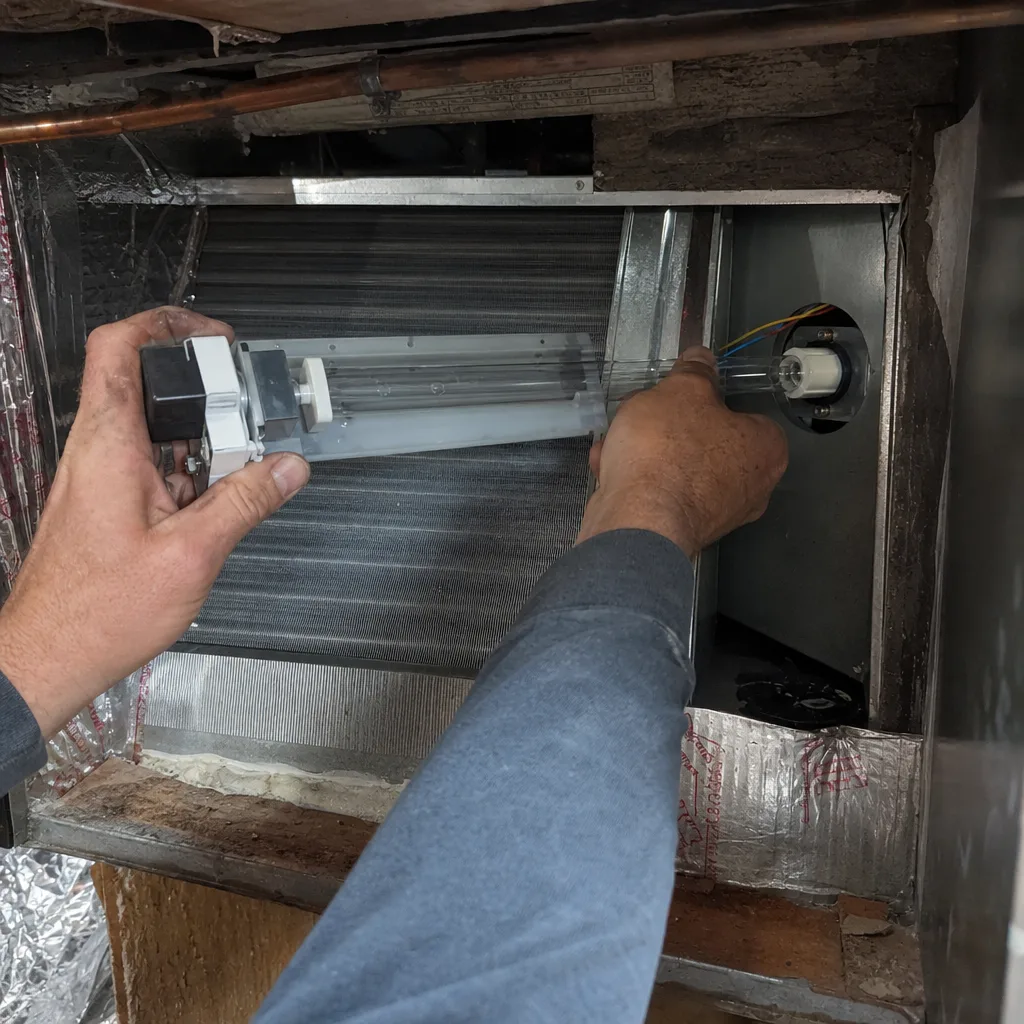
Last updated November 23, 2026
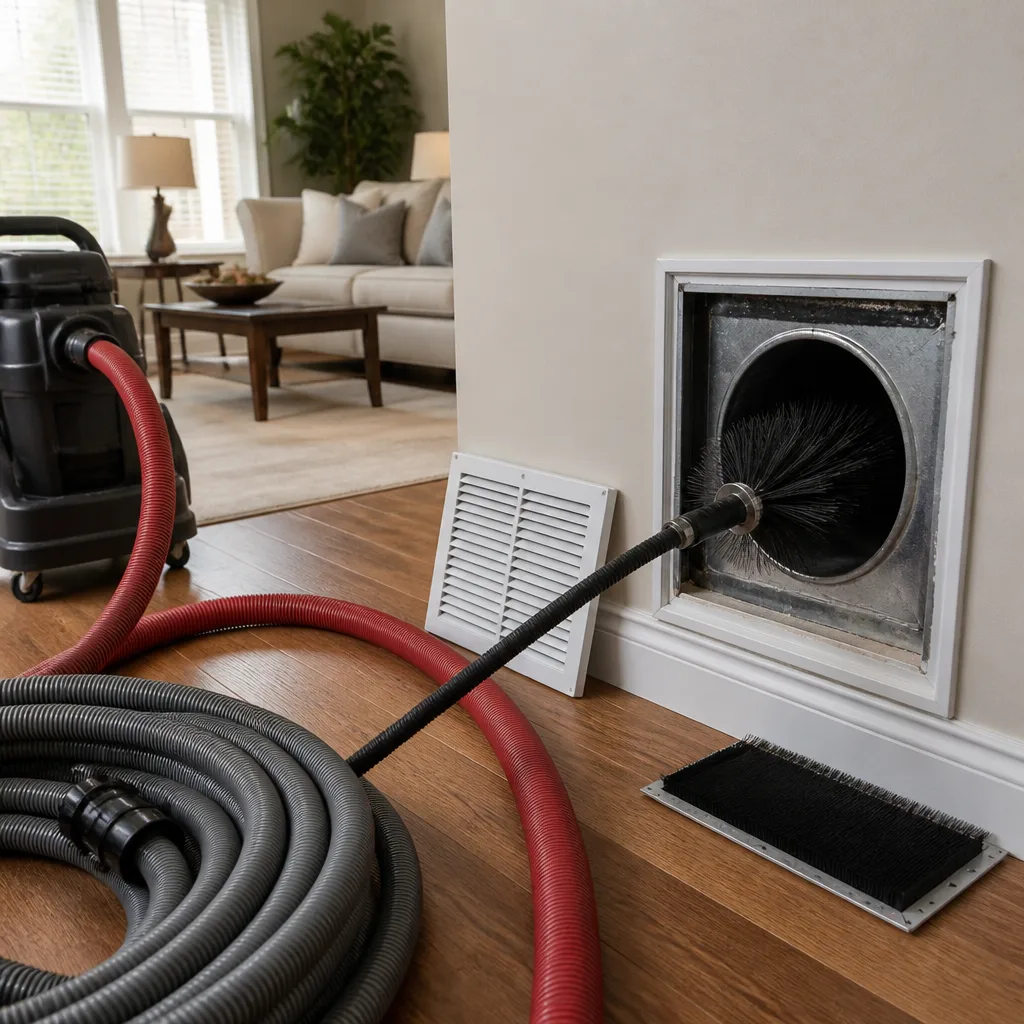 Whole-home duct cleaning
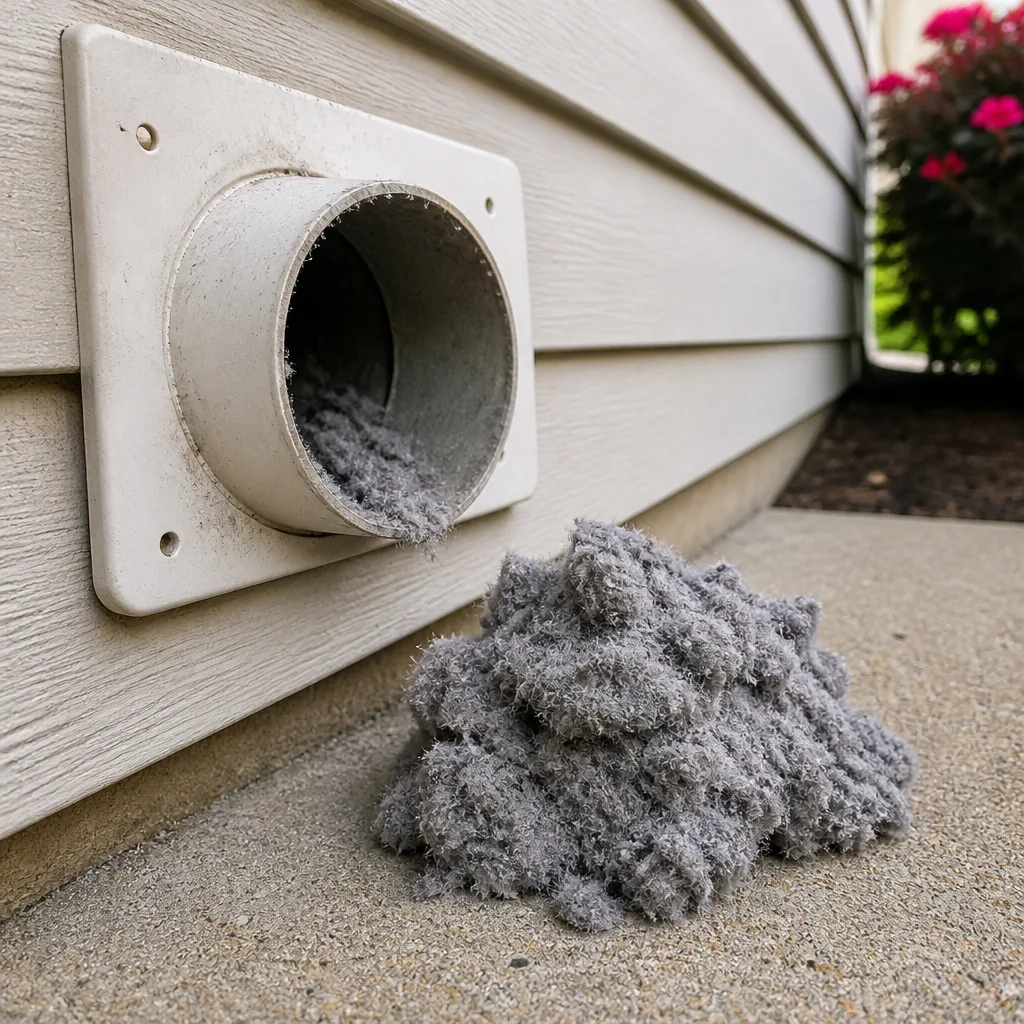 Dryer vent cleaning
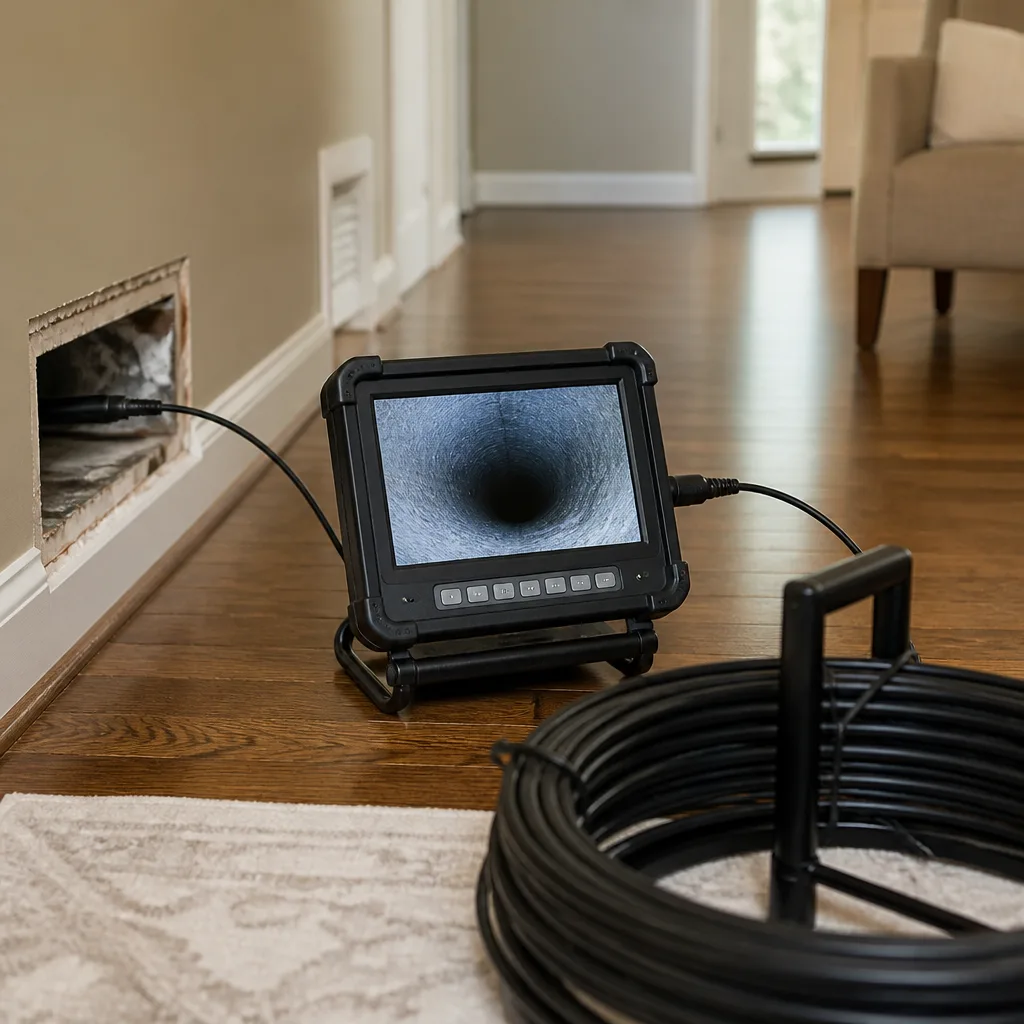 Camera inspection
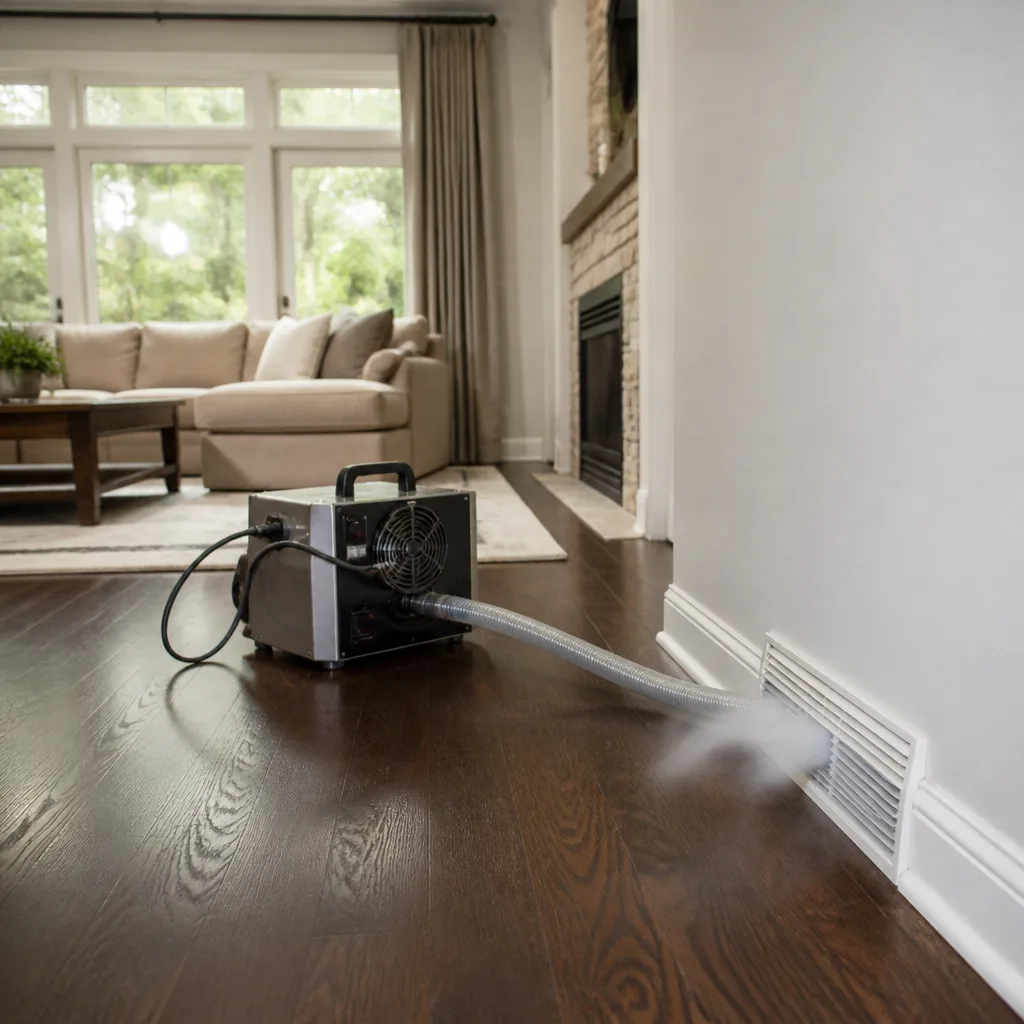 Sanitizing & deodorizing
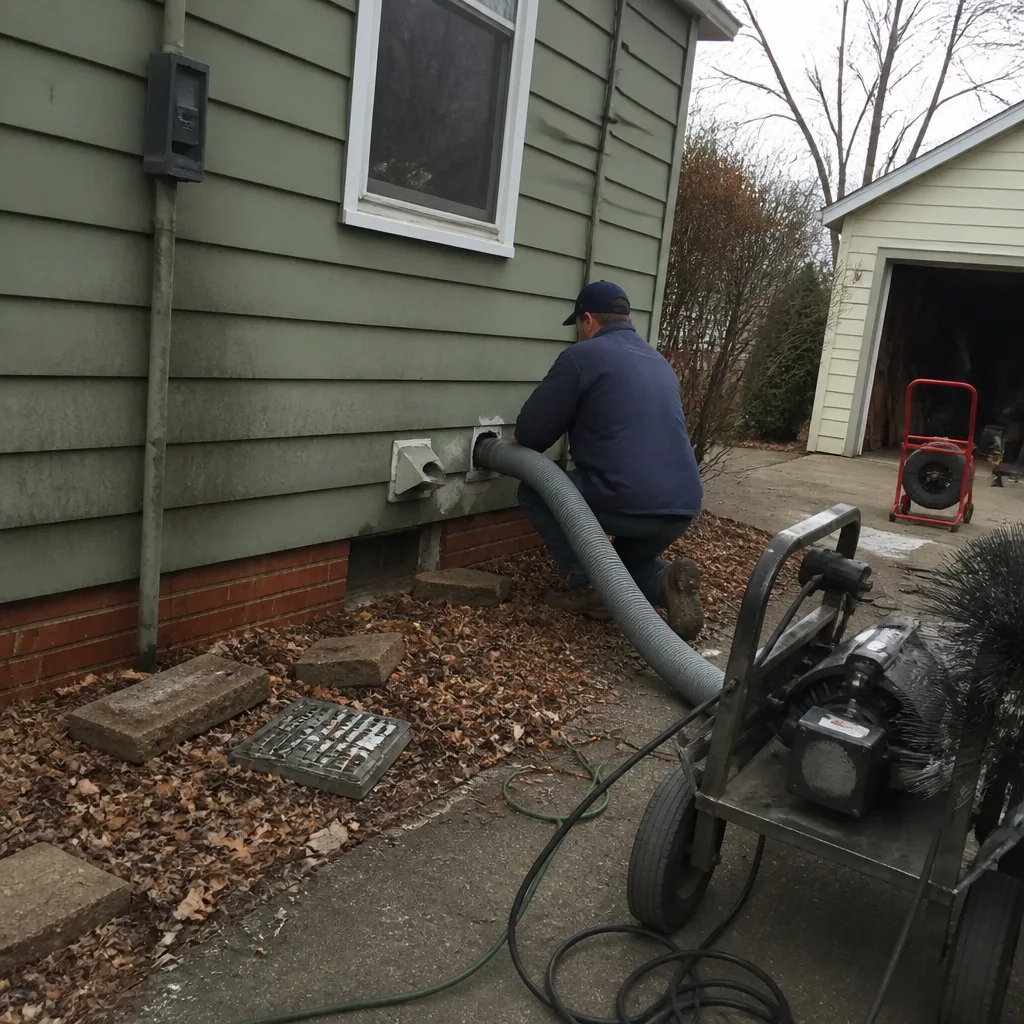
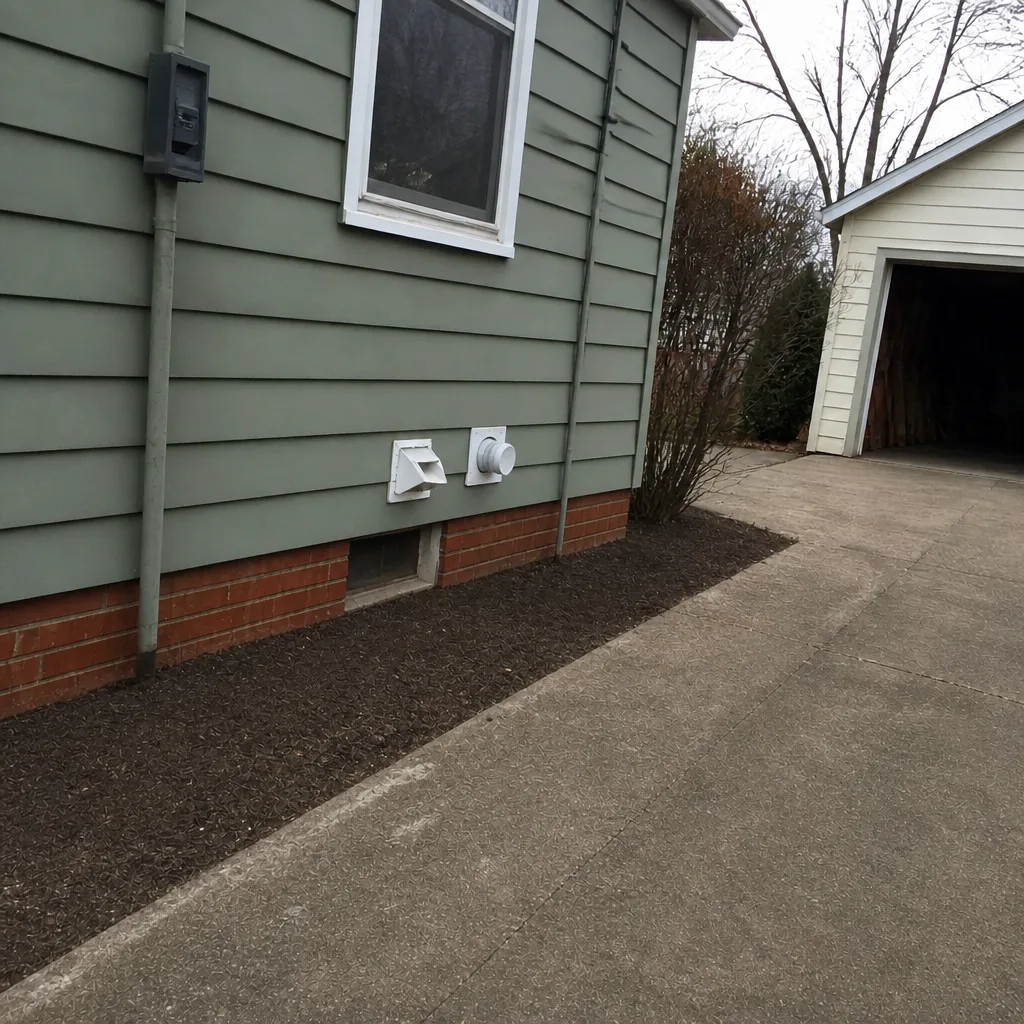
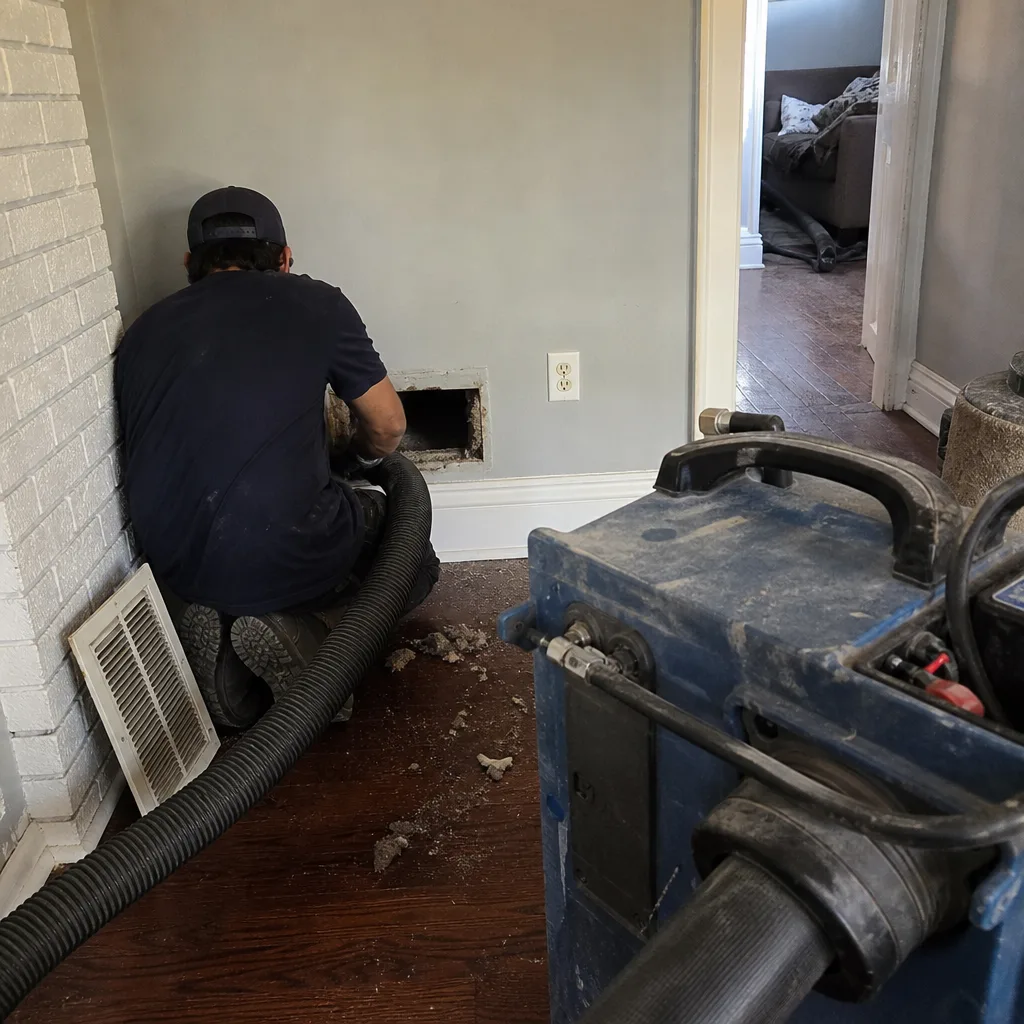
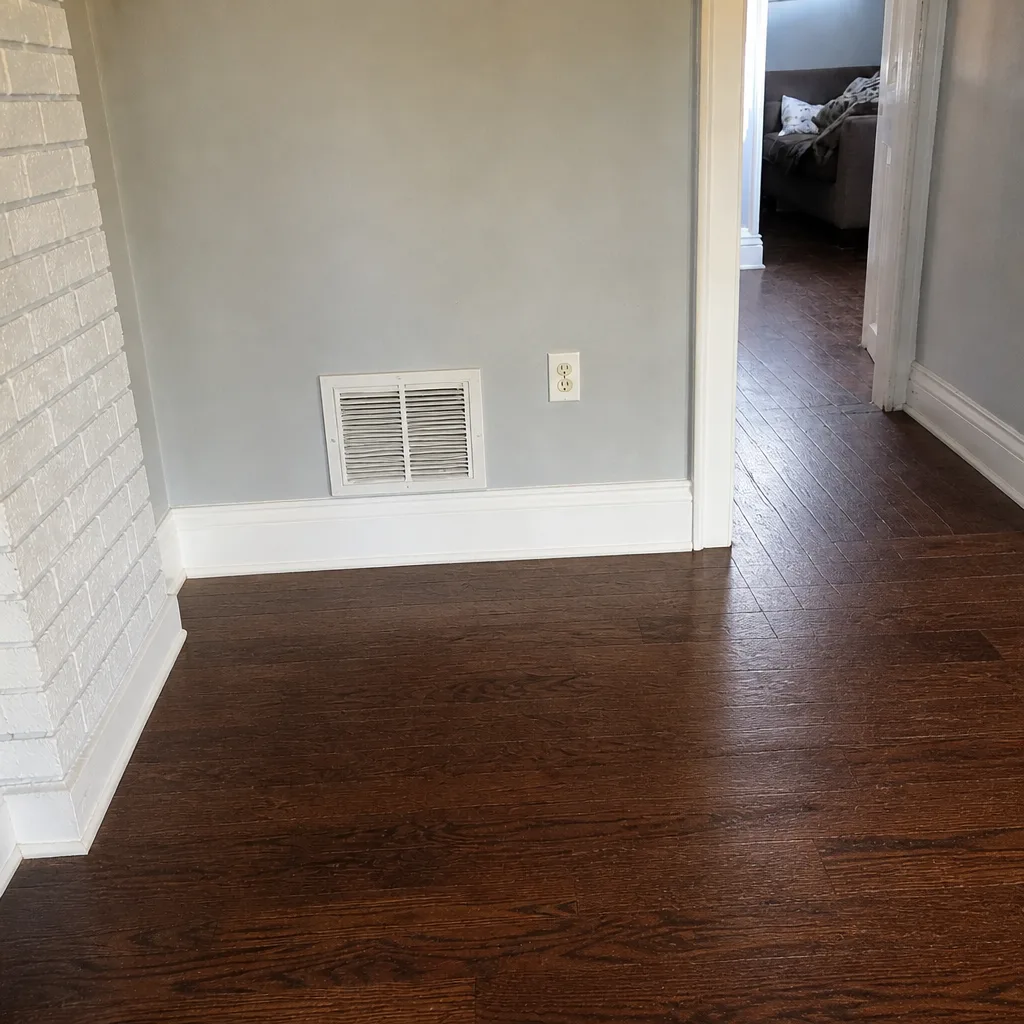
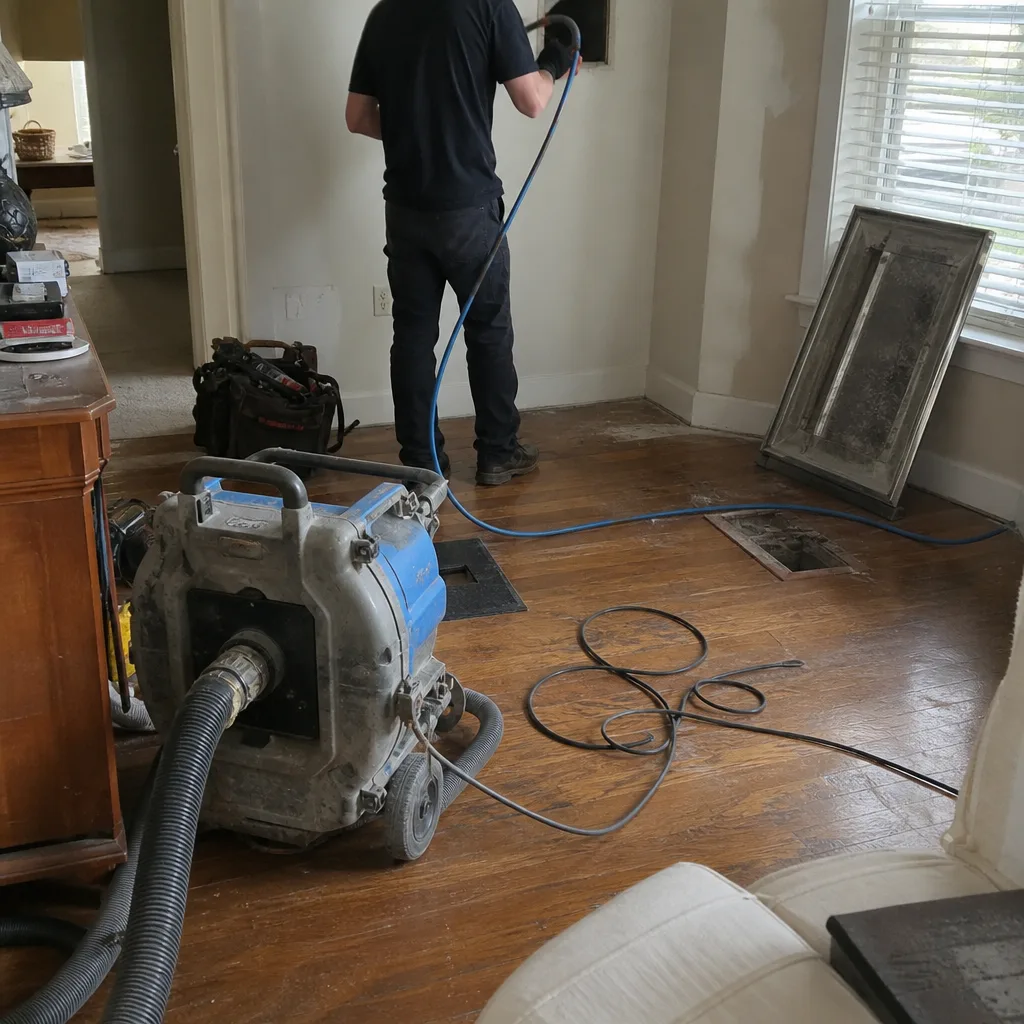
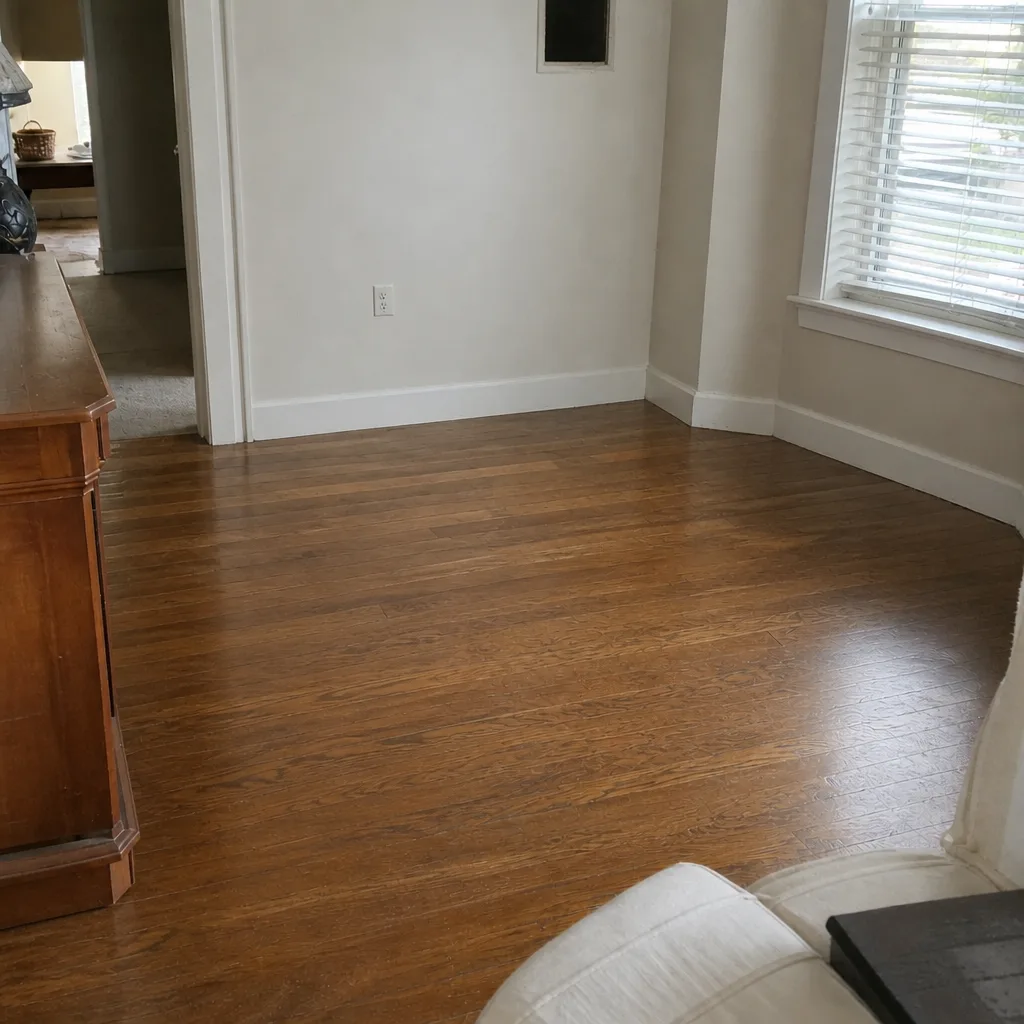
Whole-system duct and dryer vent check with before-and-after photos - you see exactly what came out of your vents
That "$99 whole-house special" is a bait ad - the real number appears once they are in your hallway, or the "clean" is a shop-vac at the register. We photograph the inside of your ducts before and after instead.
Air Duct Cleaning Maintenance Checklist for Plaza Midwood Homeowners
A professional duct cleaning without a maintenance plan is like a dental cleaning you never follow up with a toothbrush. The system you paid to restore drifts back toward its old baseline faster than most homeowners expect, and here in a humid Piedmont climate, that slide happens quietly. Mold spores stay active through most of the year, pollen loads spike in waves, and the HVAC switchover between heating and cooling stirs up everything that settled during the quiet season. What follows is the calendar and checklist we’d hand a neighbor in Plaza Midwood: what to do each month, what filter spec fits your house, how to inspect your own accessible ductwork, and the numbers to log so you know when the next full cleaning is genuinely due.
Quick Answer
A homeowner in Plaza Midwood should check the filter every 30 days, clean registers and grilles monthly, and schedule professional duct cleaning roughly every 3 to 5 years depending on filter discipline, pets, renovations, and how much pollen the house draws in. Log your thermostat differential and filter loading rate between cleanings. When the differential widens at the same filter interval, that’s the signal a full cleaning is due, not a calendar date. Ducts that were professionally cleaned and then sealed hold their performance far longer than ducts that were cleaned alone.
Styles & brands we work with
- Whole-home duct cleaning
- Dryer vent cleaning
- Camera inspection
- Sanitizing & deodorizing
Table of Contents
- Why a cleaned system degrades in Plaza Midwood’s climate
- Filter specifications that actually fit Plaza Midwood homes
- The month-by-month maintenance calendar for Charlotte’s seasons
- Register and grille cleaning: the upstream point most homeowners skip
- How to inspect accessible duct sections yourself and what to photograph
- Logging performance metrics that predict your next cleaning
- Why sealing belongs on the checklist, not just cleaning
- Common mistakes to avoid
- When to call a professional
- Frequently asked questions
Why a Cleaned System Degrades in Plaza Midwood’s Climate
The Piedmont doesn’t give ductwork a rest. Charlotte’s climate swings from humid summer weeks where indoor moisture loads stay high, to spring pollen seasons that push fine particles into every return, to a heating season that dries the air and loosens dust that had been clinging to duct walls. Each of those transitions moves material through the system. A house that was cleaned in spring can look very different by the following spring, and that’s not a failure of the cleaning. It’s the climate at work.
The pattern we see in Plaza Midwood’s older housing stock makes this sharper. The 1960s to 1980s ranch homes common on the neighborhood’s interior streets were built with duct systems that weren’t designed for the filtration levels we run today. Their return paths are often undersized, their joints are taped rather than sealed, and their accessible sections are limited. Newer infill builds on the same streets tend to have tighter envelopes and better-sealed trunks, but they also run higher-efficiency equipment that’s more sensitive to a dirty coil or a restricted filter. Both types benefit from the same maintenance rhythm; they just fail in different places.
Moisture is the variable that matters most here. A humid Piedmont summer keeps duct interiors in a range where mold spores can stay viable. That doesn’t mean every home has a mold problem, and we don’t tell homeowners they do. It means the maintenance interval matters more than it would in a dry climate, and that a system left alone for a decade in Plaza Midwood accumulates more biological material than the same system would in a drier part of the country. That’s why the calendar below is tied to the local seasons rather than to a generic quarterly reminder.
One more factor: pollen. The Charlotte area gets distinct spring and fall pollen waves, and much of what enters a home does so through the return, not through open windows. A filter that’s adequate in January can be loading twice as fast by April. That’s why we emphasize filter loading rate as a metric. It tells you what your house is actually doing rather than what a chart says it should.
Filter Specifications That Actually Fit Plaza Midwood Homes
Filter choice is where most maintenance plans go wrong, and it’s the single most common reason a professionally cleaned system loses performance in the first year. The right MERV rating depends on your duct configuration, your equipment, and how much static pressure the system can tolerate. Higher isn’t automatically better. A filter that’s too restrictive starves airflow, and a starved system runs hotter and dirtier than one with a modest filter changed on schedule.
Here’s how the two dominant housing types in Plaza Midwood tend to break down:
- 1960s to 1980s ranch homes: These systems usually have a 1-inch filter slot and limited return capacity. A MERV 8 pleated filter is typically the right balance, changed every 30 to 45 days during pollen season. Going to a MERV 13 in a 1-inch slot on these systems often chokes airflow. If a homeowner wants higher filtration here, a media cabinet or a bypass setup is the better route.
- Newer infill builds: Tighter envelopes, better-sealed trunks, and often a 4-inch or 5-inch media cabinet. These can usually carry MERV 11 to MERV 13 without a pressure penalty. Change the media every 6 to 12 months depending on the loading rate you measure.
- Homes with pets or allergy households: Lean toward the higher end of what the system can carry, but verify static pressure before you commit. A filter upgrade that causes the blower to work harder is a net loss.
- Post-renovation periods: Run a lower-cost filter and change it frequently during and immediately after construction. Save the expensive media for after the dust settles, literally.
Brand matters less than fit. We install Honeywell and Aprilaire media cabinets where a homeowner wants to move beyond 1-inch filters permanently; both are built for the long haul and use standard media sizes that are easy to source. If you’re unsure what your system can carry, that’s a question for the estimate visit, not a guess at the hardware store. A pressure reading takes minutes and settles it.
One practical rule: mark the filter change date on the filter frame itself with a pencil. It’s the simplest logging system there is, and it survives the household chaos that undoes most maintenance plans.
The Month-by-Month Maintenance Calendar for Charlotte’s Seasons
Generic quarterly reminders miss the point. The Piedmont has four distinct load periods, and each one asks something different of your duct system. This is the calendar we’d suggest for a Plaza Midwood household, adjusted for the local pollen and humidity rhythm.
- January and February: Heating season. Check the filter every 30 days; dry air loosens dust and loading can be steady. Walk the house and listen at each register for whistle or rattle, which usually means a loose boot or a grille that needs reseating.
- March: Pre-pollen prep. Change the filter, clean all registers and returns, and note the condition of each grille. If you’re going to schedule professional service this year, this is often the window to book it, before the spring load.
- April and May: Peak spring pollen. Check the filter every 2 to 3 weeks. This is the period where loading rate accelerates most, and where a clogged filter quietly costs you airflow and efficiency. Clean return grilles monthly; they catch the coarse fraction first.
- June through August: Humidity peak and cooling switchover. This is when moisture in the system matters most. Check the condensate line and drain pan; a slow drain keeps the air handler and nearby duct interior damp. Keep filters clean to protect the coil.
- September: Late-summer pollen and pre-heating changeover. Change the filter, clean grilles, and log your thermostat differential for the first time this season (see the performance log section below).
- October and November: Heating switchover. Check the filter, walk the registers for the first heat-cycle rattles, and inspect accessible duct sections for any new gaps or disconnected joints that showed up over the summer.
- December: Winter check-in. Filter check, a quick grille wipe-down, and a review of your log to see whether the differential has drifted since September.
That’s the calendar. The important nuance is that professional service intervals sit on top of it, not instead of it. The monthly and seasonal tasks keep the system stable between professional cleanings; the cleanings reset the system. When you’re ready to schedule the professional layer of this work, our Air Duct Cleaning Plaza Midwood page covers what a full system cleaning involves, including the negative-air containment that keeps dislodged debris out of your living space.
Register and Grille Cleaning: The Upstream Point Most Homeowners Skip
Registers and return grilles are where the visible contamination lives, and they’re the part of the system most homeowners never touch between professional cleanings. A dirty return grille loads the filter faster, and a dirty supply register releases dust back into the room each time the blower starts. Clean them monthly in pollen season and quarterly the rest of the year.
The method matters. A dry wipe spreads dust. Here’s what actually works:
- Remove the grille if it’s screwed in. Most are two or four screws, and the difference between cleaning a grille on the wall and cleaning it on a workbench is significant.
- Vacuum both faces with a brush attachment, back side first. The back is where the accumulation sits.
- Wash with warm water and a mild detergent if the grille is painted metal or plastic. Rinse and dry completely before reinstalling; a damp grille in a humid Plaza Midwood summer is a mold invitation.
- Wipe the duct lip behind the grille with a damp cloth. That edge is where dust collects first and where it gets pushed back into the airstream.
- Check the seal between the grille and the wall or ceiling. Foam gasket tape is cheap and cuts the bypass that lets attic or crawlspace air into the supply path.
While you’re at each register, take a moment to look inside the boot with a flashlight. You’re not trying to clean the duct; you’re checking for visible gaps, disconnected joints, or material that shouldn’t be there. Note what you find. That note feeds directly into the next section.
If your system includes a whole-home air cleaner or humidifier, clean or replace its media at the same time. Honeywell and Aprilaire units are straightforward to maintain with the right replacement media, and skipping those parts quietly undoes the benefit. We service both brands, and the maintenance schedule for those components follows the same seasonal rhythm as the rest of the system.
How to Inspect Accessible Duct Sections Yourself and What to Photograph
You don’t need to disassemble your ductwork. You need to look at the parts you can reach safely and capture images that tell a professional what’s going on before anyone drives out. This is the difference between scheduling service and guessing at it.
Here’s what to check and photograph:
- Accessible trunk sections in the basement, crawlspace, attic, or utility closet. Open your phone’s camera, turn on the flash, and shoot straight down any open duct run you can reach without removing fasteners. A photo of the interior wall surface tells more than a description.
- Joint and connection points. Photograph the seams where two duct sections meet, where the trunk connects to a boot, and where the duct leaves the air handler. Gaps and disconnected joints show up cleanly in a photo and are the most common source of efficiency loss in Plaza Midwood’s older homes.
- Insulation condition. Photograph any duct wrap or liner that’s torn, sagging, or separated from the duct wall. Wet insulation in a humid climate is a problem worth documenting early.
- The air handler and coil area. Photograph the filter slot, the coil face if it’s visible, and the drain pan. Coil condition and filter fit are the two fastest reads on system health.
- Register interiors. Straight-on shots of a few register boots, well-lit, from the room side.
Keep the photos in a folder on your phone labeled with the date. When you do call for service, share them. A professional can often tell from a handful of interior shots whether a system needs a full cleaning, a targeted repair, or just better filtration. If you’d like to see how professional air duct cleaning handles the sections you can’t safely reach, that page walks through the process.
A word of caution. Do not open sealed duct sections, do not remove insulation, and do not put your hands into a running system. If you find a section that looks wet, moldy, or disconnected, note it, photograph it, and leave it alone. Wet duct material needs professional assessment, not a DIY wipe-down.
Logging Performance Metrics That Predict Your Next Cleaning
The single most useful maintenance habit is one most homeowners never start: logging two numbers. The thermostat differential and the filter loading rate. Together they tell you when the system is drifting, and that prediction is worth more than any fixed cleaning schedule.
Thermostat differential. On a calm day, note the supply air temperature at a register and the return air temperature at a return grille, then subtract. The gap is your differential. Note it along with the outdoor temperature and the time of day. You’re not looking for a precise number. You’re looking for the trend. When the differential widens at the same filter interval and similar outdoor conditions, airflow is being restricted somewhere. That could be the filter, the coil, or the duct itself.
Filter loading rate. Note the date you install a filter and the date you replace it based on visible loading or the manufacturer’s recommendation. The number of days between changes is the loading rate. If your typical interval was 45 days last year and it’s now 28 days under similar conditions, the system is moving more material. That’s the signal a full cleaning is due.
Keep both in a simple note on your phone, or on a sheet taped inside the air handler closet. The format doesn’t matter. Consistency does. Three or four entries over a season are enough to spot a trend. If you want a professional opinion on your log, share it at the estimate; it’s the kind of information that makes a diagnosis faster.
For systems that also serve a whole-home air cleaner or a humidifier, log those media changes on the same sheet. Honeywell and Aprilaire components have their own replacement rhythm, and a single log keeps all of it in one place. It’s also a useful record if you ever sell the house.
Why Sealing Belongs on the Checklist, Not Just Cleaning
Clean ducts are step one; sealed ducts are the finish line. A professionally cleaned system with leaks in the trunk, the boots, or the air handler cabinet still loses conditioned air to the attic or crawlspace, still draws uncontrolled air in from wherever the pressure balance pulls from, and still undermines the filtration you just paid to maintain. Cleaning without sealing is half the job.
This is why we offer duct repair and sealing as a core service rather than a referral. When we clean a system and find a disconnected joint, a gap at the plenum, or a boot that’s separated from the subfloor, that’s the moment to fix it. Acting then means the system goes back together tighter than it came apart. Waiting means another contractor visit and a second disruption to the house.
What to look for in your own inspection:
- Visible gaps at joints, especially where the trunk meets a branch or a boot meets the wall or floor.
- Disconnected or sagging flex duct runs in the attic or crawlspace.
- Failed mastic or aged tape at the plenum and near the air handler.
- Registers that whistle or feel weak, which often means leakage upstream rather than a duct problem at that register.
Sealing is also the reason a maintenance plan pays off. A sealed system holds its cleaning longer, because the leaks that let new contamination in are closed. That means your next professional cleaning interval extends, and every filter change between cleanings does more of what it’s supposed to do. Refer to the professional HVAC cleaning page if your checklist is pushing you toward a full-system service; the coil and air handler are part of the picture, not separate from it.
Common Mistakes to Avoid
- Chasing the highest MERV number on the shelf. A MERV 13 in a 1-inch slot on a 1970s ranch home in Plaza Midwood starves the blower and can raise operating temperatures. Match the rating to the system, not to the marketing.
- Treating a professional cleaning as a one-time reset. Without monthly registers, disciplined filters, and a performance log, the system drifts back to its old baseline faster than most homeowners expect. The cleaning is the starting line, not the finish line.
- Ignoring the return grille. The return is where most material enters the system. A dirty return grille loads the filter faster and pushes the whole maintenance schedule off track. Clean it monthly in pollen season.
- Skipping the sealing step. A cleaned system with leaks loses its gains. If a professional cleaning turns up disconnected joints, seal them while the system is open rather than scheduling a second visit.
- Waiting for a visible dust plume before scheduling. By the time dust is visible at the registers, the system has been moving material for a while. The performance log catches the trend long before the plume.
- Using a shop vac for “duct cleaning.” A consumer vacuum can’t develop the negative pressure needed to pull material from the full duct run, and it can redistribute dislodged debris into the home. This is the difference between a real cleaning and a surface pass.
- Forgetting the dryer vent. It’s a separate system, but it’s in the same maintenance mindset. Lint accumulation is a fire risk, and a yearly inspection belongs on the same calendar as the rest of the checklist. Our dryer vent cleaning service covers it.
See the difference
 Before
 After
 Before
 After
 Before
 After
When to Call a Professional
A maintenance checklist covers a lot of ground, but some situations call for professional equipment and a trained eye. If you’ve just finished a renovation, a thorough post-construction cleanout is worth scheduling; drywall and sawdust settle throughout the system. If your household has allergy or asthma members and the seasonal pattern has shifted, a professional cleaning plus a filtration review is the sensible next step. If your performance log shows a widening differential at the same filter interval, or your loading rate has shortened meaningfully, the system is telling you it’s due. If you’ve found visible gaps or disconnected joints in your self-inspection, sealing should be handled professionally. Air Duct Cleaning Plaza Midwood offers free estimates in Plaza Midwood. Call (877) 492-2597. We answer 24/7. Fast dispatch from 7am to 7pm, Sunday through Friday.
Our technicians have up to 14 years of experience, and they run Rotobrush and Nikro professional systems rather than consumer equipment. That matters most on the calls where a homeowner has already tried a shop vac and wants to know why it didn’t help.
Frequently Asked Questions
Every 3 to 5 years for most Plaza Midwood households, but the real answer depends on your filter discipline, pets, renovations, and how much pollen the house draws in. A home with a disciplined monthly filter habit and a performance log can often stretch the interval. A home that skips filters or has just finished a renovation usually needs it sooner. Call (877) 492-2597 for an exact assessment; estimates are free.
A MERV 8 pleated filter is usually the right balance for a 1960s to 1980s ranch home with a 1-inch filter slot. Those systems often lack the return capacity for a higher rating, and a MERV 13 in a 1-inch slot can choke airflow. If you want higher filtration, a media cabinet is the better route. Call (877) 492-2597 and we’ll check your system’s static pressure before recommending anything.
Cost depends on the number of systems, the accessibility of the ductwork, and whether sealing or repair is needed. We quote one flat price per system, agreed before any work starts, and we don’t price by the vent. That’s the difference between a written estimate and the bait-and-switch coupons you see advertised elsewhere. Call (877) 492-2597 for a free estimate.
Usually because the quote is for a surface pass with consumer-grade equipment, not a full system cleaning with professional containment. A shop vac can’t pull material from the full duct run, and it can redistribute dislodged debris back into the home. We run Rotobrush and Nikro systems with Abatement Technologies negative-air containment. Call (877) 492-2597 to compare estimates line by line.
Before-and-after photos of your own ducts. That’s the standard we hold ourselves to, and it’s the reason we photograph the accessible interior before and after every cleaning. If a contractor can’t show you what the duct looked like before and after, ask why. Call (877) 492-2597 for a free estimate and we’ll walk you through the process.
Yes, monthly during pollen season and quarterly the rest of the year. Registers and returns are where visible contamination lives, and a dirty return loads the filter faster. Remove the grille, vacuum both faces, wash and dry it completely, and wipe the duct lip behind it. That single habit extends the interval between professional cleanings. Call (877) 492-2597 if you’d like a checklist tailored to your system; estimates are free.
The Bottom Line
A professional cleaning resets your duct system, but the monthly and seasonal maintenance is what keeps it performing. Check the filter every 30 days, clean registers and returns monthly in pollen season, photograph your accessible duct sections, and log your thermostat differential and filter loading rate. Those two numbers predict when the next full cleaning is genuinely due. When you’re ready for the professional layer, remember that clean ducts are step one and sealed ducts are the finish line. We bring Rotobrush and Nikro equipment and Abatement Technologies negative-air containment into Plaza Midwood homes, and we offer duct repair and sealing as a core service so the system goes back together tighter than it came apart.
Call (877) 492-2597 for a free estimate. We answer 24/7. Fast dispatch from 7am to 7pm, Sunday through Friday.
Written by the team at Air Duct Cleaning Plaza Midwood.