
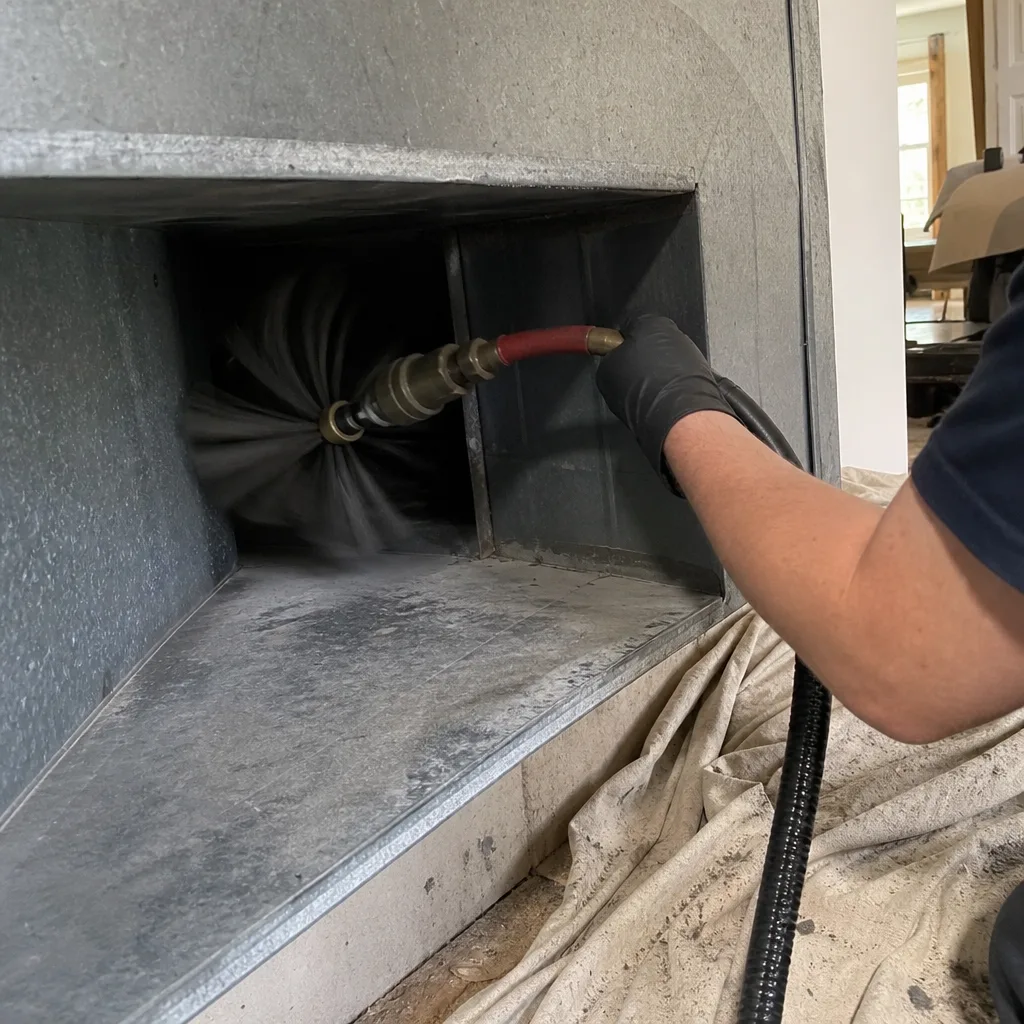
Last updated November 23, 2026
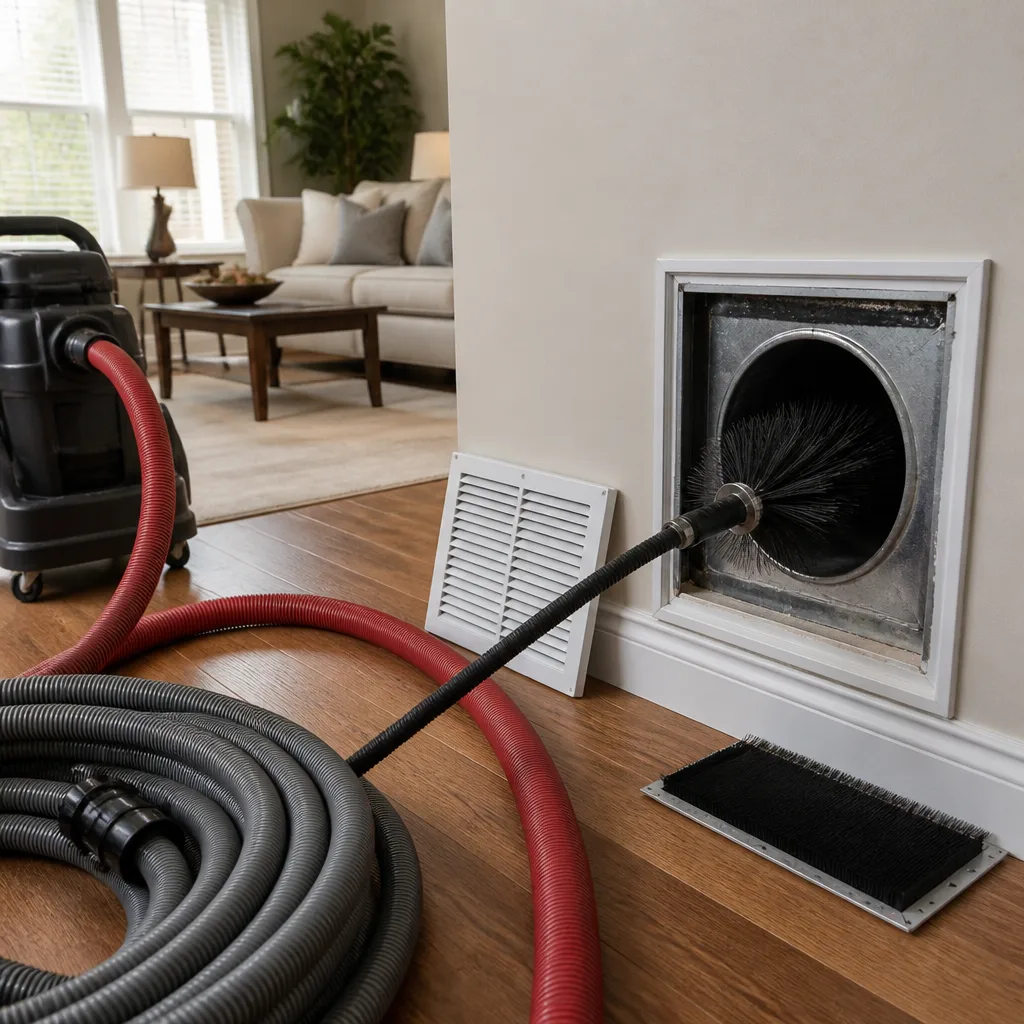 Whole-home duct cleaning
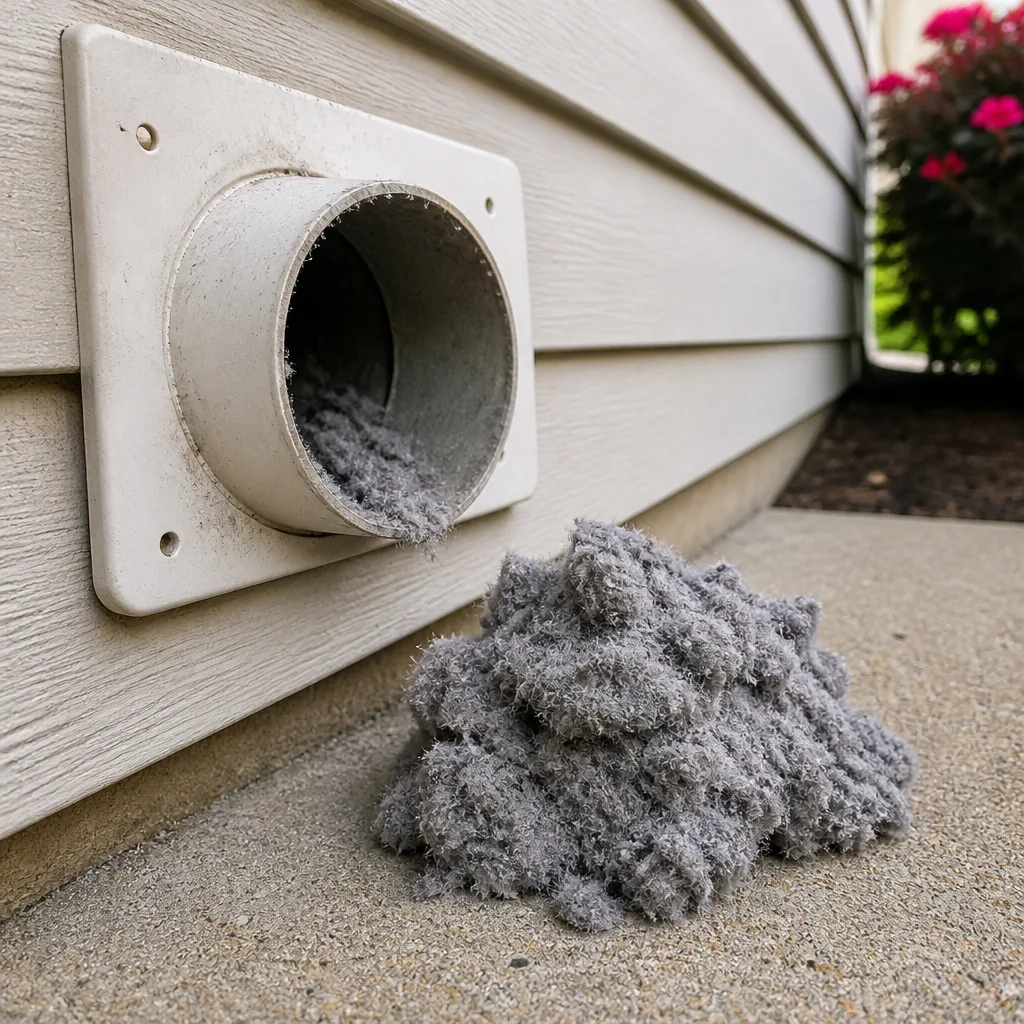 Dryer vent cleaning
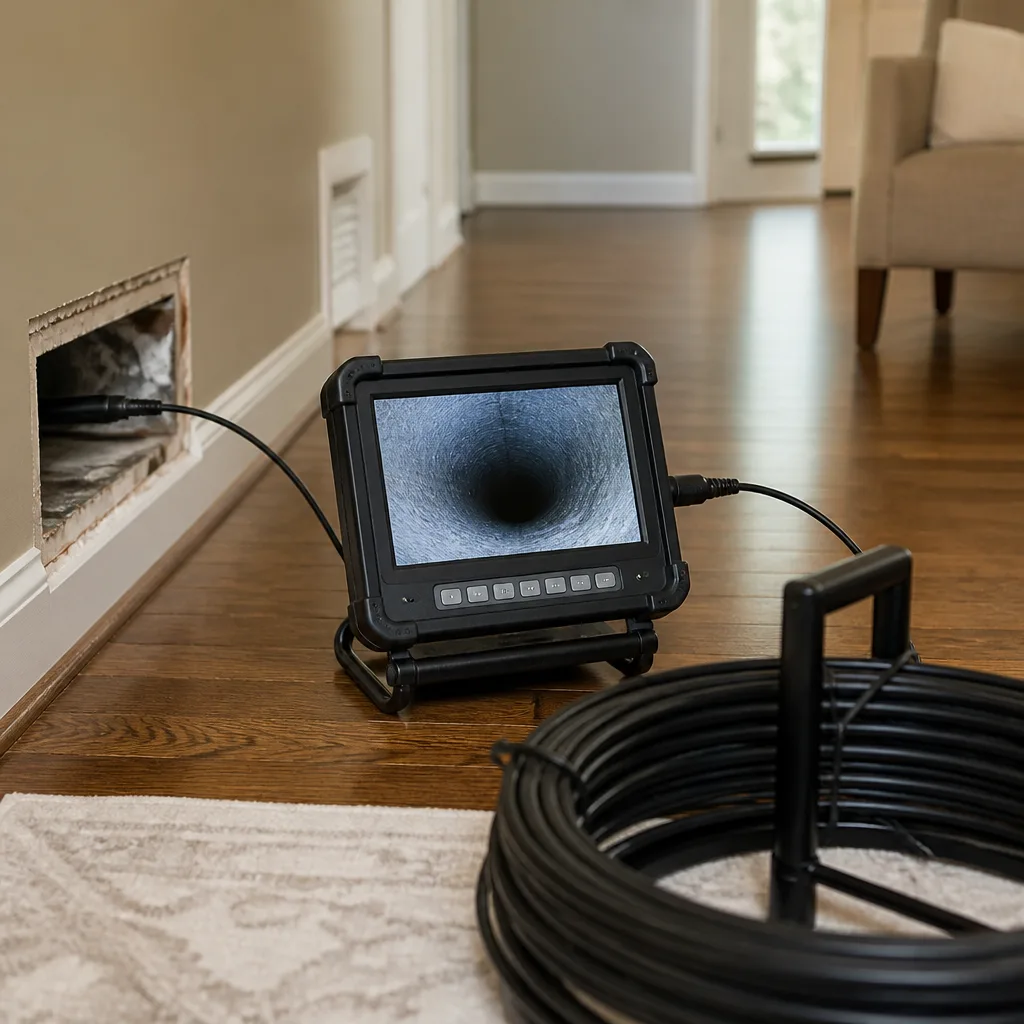 Camera inspection
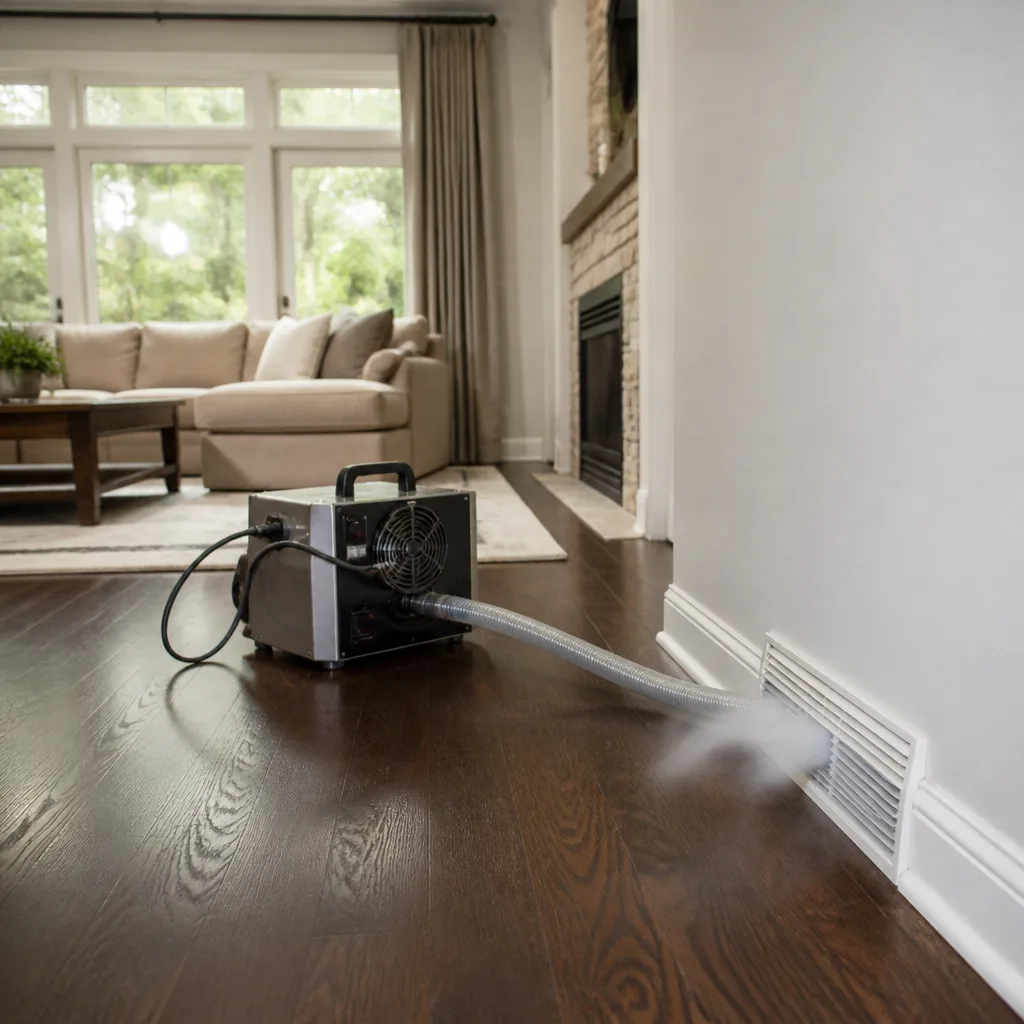 Sanitizing & deodorizing
Whole-system duct and dryer vent check with before-and-after photos - you see exactly what came out of your vents
That "$99 whole-house special" is a bait ad - the real number appears once they are in your hallway, or the "clean" is a shop-vac at the register. We photograph the inside of your ducts before and after instead.
Air Duct Cleaning Troubleshooting in Plaza Midwood: Common Problems and How to Fix Them
If your ducts were just cleaned and your vents are still pushing out visible dust, the cleaner didn’t fail. Your system is telling you something the vacuum never touched. Most post-cleaning complaints in Plaza Midwood – dust that settles again within days, rooms that stay stubbornly hot or cold, a musty smell that creeps back after a few weeks – aren’t signs of a lazy technician. They’re diagnostic clues. Each one points to a specific mechanical problem: a leaking trunk line, a blower wheel loaded with dislodged debris, moisture feeding biofilm inside the plenum. This guide teaches you to read those clues, run your own checks before you pay for a re-service, and know exactly which fix is warranted – and which problems only a professional-grade extraction can solve.
Quick Answer
Persistent dust, uneven airflow, returning odors, or a louder HVAC after cleaning usually mean the job addressed the visible dust but not the root cause – a leaky duct, a fouled blower, or moisture-driven growth. A proper fix pairs Rotobrush rotary-brush agitation and HEPA-filtered negative-pressure extraction with a duct repair and sealing pass so the cleaned system stays clean and balanced.
Styles & brands we work with
- Whole-home duct cleaning
- Dryer vent cleaning
- Camera inspection
- Sanitizing & deodorizing
Table of Contents
- Why Are Your Vents Still Dusty Right After Cleaning?
- What Causes a Musty Odor to Come Back Weeks After Cleaning?
- Why Is One Room Always Hotter or Colder Than the Rest?
- Why Is Your HVAC Louder After a Duct Cleaning?
- What Does a Real Clean Actually Involve?
- How Does Duct Leakage Undermine Both Air Quality and Efficiency?
- A Homeowner Checklist Before You Call for a Re-Service
- How Should Plaza Midwood Homes Handle Humidity and Filtration?
Still Dusty After Cleaning? Why Your Vents Keep Pushing Out Dust
Dust that reappears within a few days of cleaning almost never comes from a job that missed a vent. It comes from somewhere the cleaning effort didn’t reach or didn’t address. In our experience across Plaza Midwood, there are four consistent explanations, and each one dictates a different response.
- Debris left in the return plenum or on the blower. If the return side wasn’t cleaned under negative pressure, loosened material settles back into the supply stream the moment the system cycles on.
- Leaky duct joints pulling attic or crawlspace air. Plaza Midwood’s older homes often run ducts through unconditioned spaces. Gaps at joints and boots siphon dust, insulation fibers, and outside air straight into the supply.
- Construction or renovation dust that was never fully extracted. A single pass won’t clear drywall dust that has settled in branch lines. It needs agitation plus HEPA extraction.
- Worn filters or the wrong filter grade. A high-MERV filter that’s overdue for replacement restricts airflow and lets fine dust bypass; a cheap filter catches almost none of it.
The key diagnostic question is timing. If dust recurs in days, the source is active – a leak, a fouled blower, a return that was never cleaned. If it recurs over weeks, you’re likely looking at ordinary household dust production combined with inadequate filtration. Matching the symptom to the timeline tells you whether a re-clean is warranted or whether the system needs sealing and better filtration instead. That distinction saves Plaza Midwood homeowners from paying twice for the same problem.
What Causes a Musty Odor to Come Back Weeks After Cleaning?
A returning musty smell is not a sign that the cleaning was too shallow. It’s a sign that moisture is still feeding microbial growth somewhere in the system, and cleaning alone can’t dry out a wet surface. Odor recurrence is a moisture problem wearing a dust problem’s clothes.
Plaza Midwood’s humid summers are a big factor here. When cool air moves through ducts that pass through warm, damp attic or crawlspace air – or when a system has been run with a saturated filter – condensation collects on interior duct surfaces and on the evaporator coil. That film of moisture is exactly what biofilm and mildew need. Vacuuming removes the visible growth. It doesn’t remove the water source, so the growth returns within weeks.
Fixing it means finding the moisture first:
- Check whether any duct run in an unconditioned space is insulated and sealed. Bare or torn insulation is a common culprit.
- Inspect the condensate drain line and drain pan for standing water or clogs.
- Confirm indoor relative humidity is staying in a reasonable range through the cooling months. If it climbs, the system is running wet.
- Sanitize the interior surfaces with a treatment matched to the growth, then address the source – usually a humidity control or sealing fix.
This is why the air quality and sanitizing side of the work belongs in the same visit as the cleaning. Cleaning a system that stays damp is a repeating expense. Drying it out and controlling the humidity is a one-time repair.
Why Is One Room Always Hotter or Colder Than the Rest?
Uneven room temperatures are rarely a blockage problem. In most Plaza Midwood homes we diagnose, the real cause is duct leakage – especially along the trunk line – or a balancing issue at the registers. A duct that leaks into an attic or crawlspace delivers less conditioned air than it should, and the room at the end of that run pays the price.
The classic mistake is to assume the cold room needs more airflow and to close vents elsewhere to “push” air toward it. That backfires. Closing vents raises static pressure across the whole system, forces more leakage out of the weakest joints, and starves the blower. The room stays cold and the rest of the house gets worse.
A better diagnostic sequence:
- Compare how strongly air moves at the problem register versus a register in a room that feels right.
- Look for disconnected flex duct, crushed runs, or gaps where the boot meets the floor or wall.
- Check whether the trunk line runs through an unconditioned attic or crawlspace – that’s where leakage hurts most.
- Have a technician measure static pressure. High static with weak airflow at one register points to leakage or restriction, not a room-specific defect.
Duct repair and sealing changes the outcome entirely. When the leaks are closed after cleaning, the airflow that was escaping into the attic gets delivered to the rooms instead. That’s why we treat sealing as the finish line of a cleaning job rather than a separate upsell – a cleaned but leaky system is only half fixed.
Why Is Your HVAC Louder After a Duct Cleaning?
A system that gets louder immediately after cleaning is usually a fixable problem, and it’s worth catching early. The most common cause is dislodged debris caught at the blower wheel. When a cleaning pass loosens material in the return or plenum and it gets pulled toward the air handler, some of it clings to the blower blades. An unbalanced or fouled blower wheel produces a rumbling, whooshing, or vibrating sound that wasn’t there before.
Other explanations worth ruling out:
- A disturbed or partially collapsed flex run. If a branch line shifted during the work and now has a kink, airflow gets restricted and the blower works harder, which raises noise.
- A register or boot knocked loose. A boot that no longer sits flush against the opening can whistle or rattle.
- Static pressure changes from a newly sealed leak. Sealing improves delivery, but if the system wasn’t balanced afterward, the change can sound different at the registers.
In every case, this is a call-back situation, not a wait-and-see. A blower wheel that runs fouled for months adds strain and can throw the motor out of balance. A technician confirming the blower, checking each branch for collapse, and re-seating any loose boots resolves the vast majority of post-cleaning noise complaints quickly. If your Plaza Midwood home got louder after a clean, get it looked at sooner rather than later – the fix is usually minor when it’s caught early.
What Does a Real Air Duct Cleaning Actually Involve?
A real clean has two non-negotiable components: mechanical agitation to loosen what’s stuck to the duct walls, and HEPA-filtered negative pressure to capture it before it can spread into the room. Skip either step, and you’ve paid for a service that moved dust around rather than removed it. That’s the root of most “still dusty” complaints.
Agitation is where the hardware matters. A shop vac pulls loose surface dust but doesn’t touch the material that’s bonded to duct interiors. A Rotobrush rotary-brush system does – it’s a contact-based extraction tool that scrubs the interior of every duct run as the vacuum pulls material away. It’s the industry benchmark for a reason, and it’s the baseline for genuine cleaning rather than a cosmetic pass.
Containment is the second half. Without negative-air containment, dislodged debris has nowhere to go but back into the living space. Abatement Technologies negative-air machines maintain a pressure differential that draws material into the filtration system instead of into your rooms. Nikro HEPA filtration captures the fine material the containment pulls in. Together, these systems are what separates a professional cleaning from a consumer effort.
Here’s how to tell whether your previous service actually did both:
- Did the technician use a rotary brush or agitation tool at each register, or just a hose?
- Was there a negative-air machine running during the work?
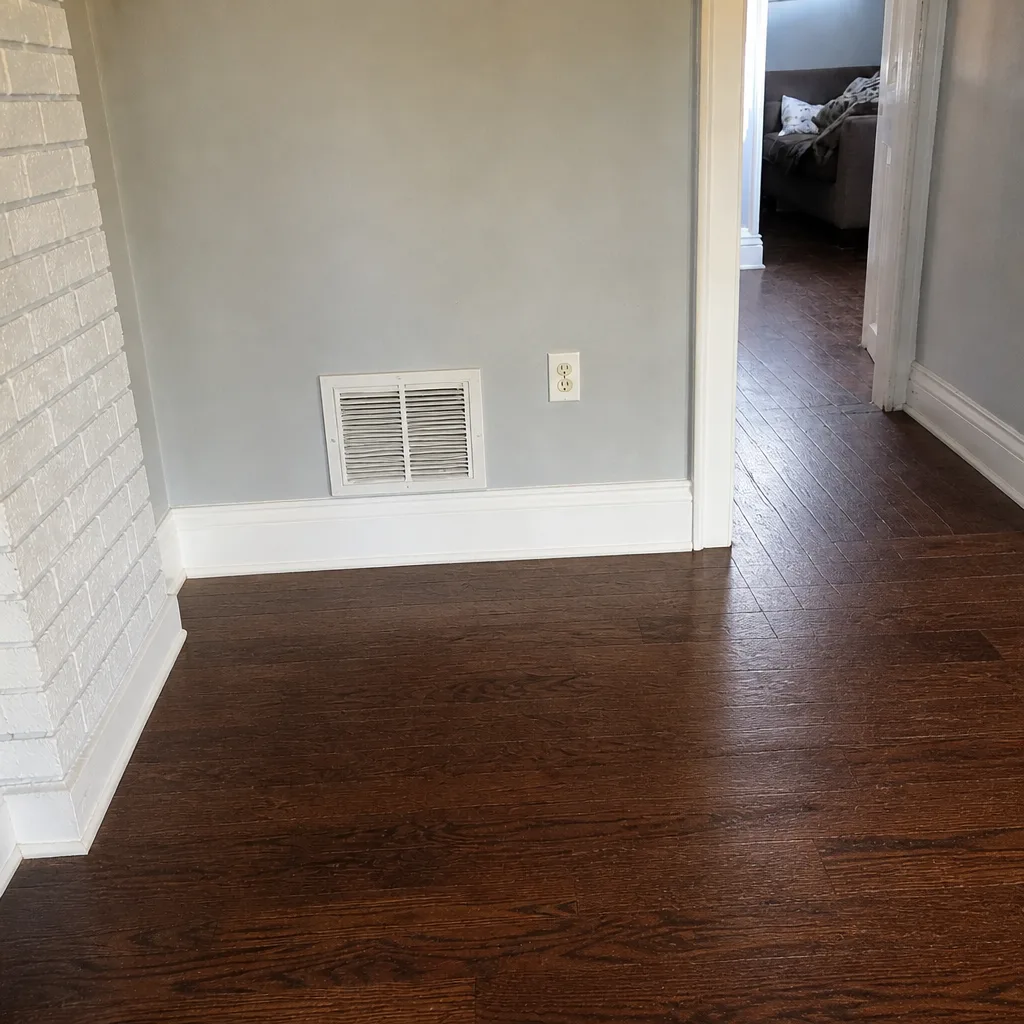
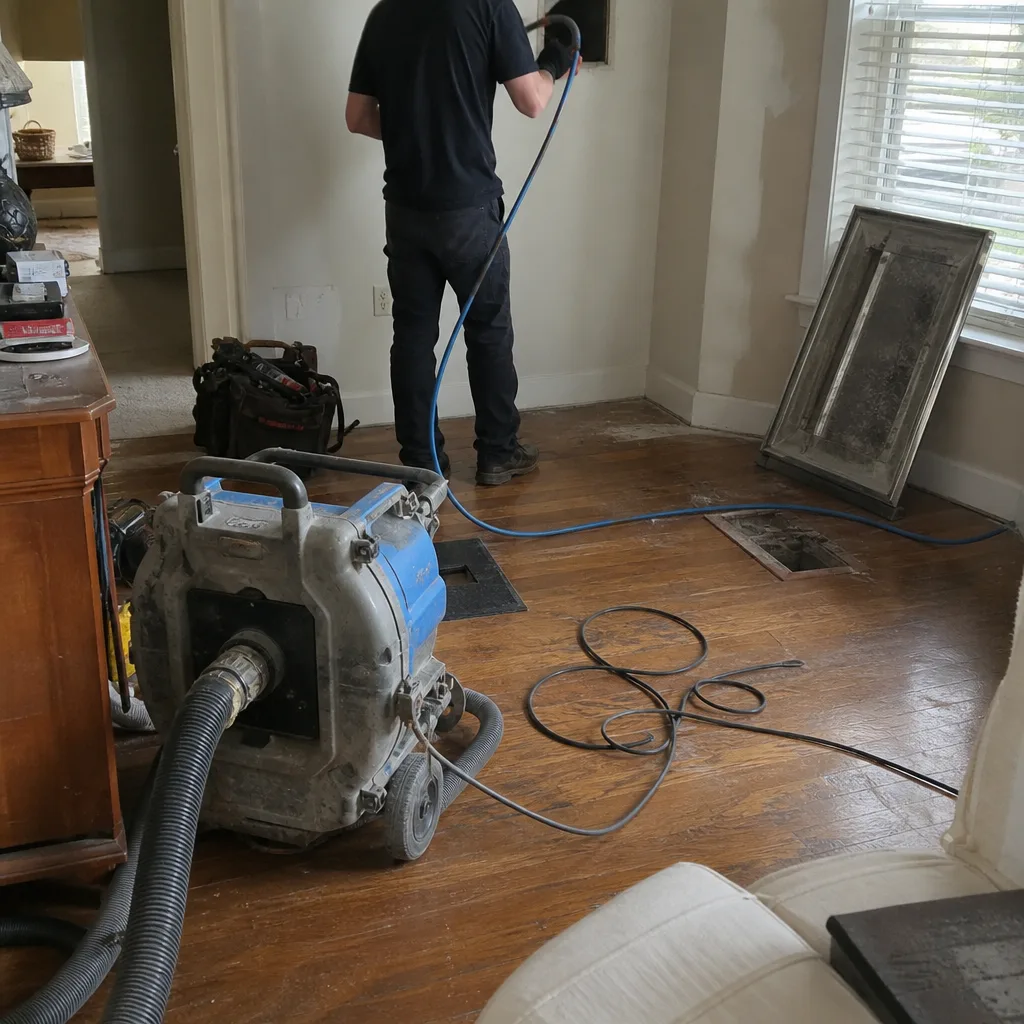
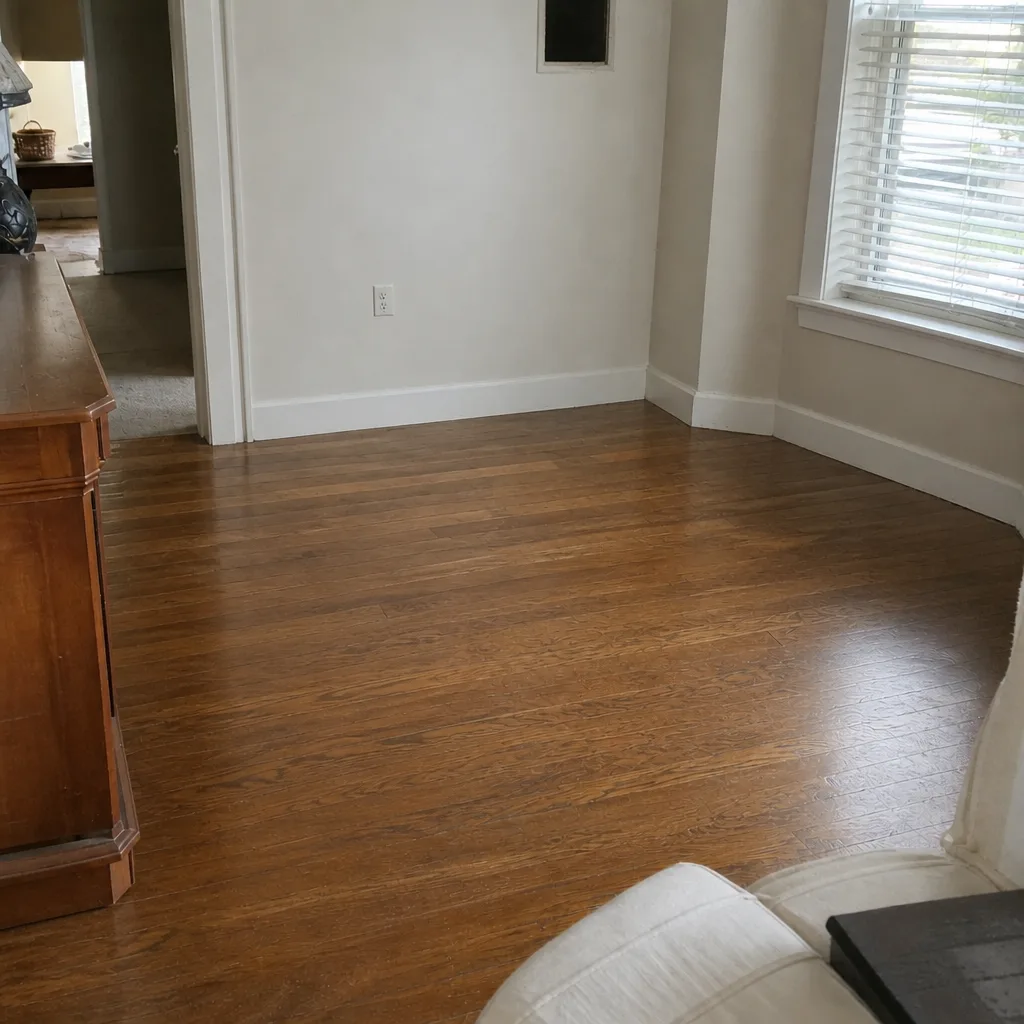
- Did the technician show you before-and-after photos of your own ducts, not stock images?
- Was the return side and the plenum cleaned, not just the supply registers?
If the answer to any of those is no, the job wasn’t a full clean and a re-service may be justified. Our team brings the same systems commercial contractors use into the home – not a consumer vacuum with a promise.
How Does Duct Leakage Undermine Air Quality and Efficiency?
Leakage is the most underdiagnosed problem in Plaza Midwood duct systems. A leaky duct does two damaging things at once: it lets conditioned air escape before it reaches a room, and it lets unconditioned air get pulled in. In an older home with ducts in the attic or crawlspace, that means the system is effectively delivering attic or crawlspace air along with the cooled or heated air.
The air quality consequence is significant. Every gap at a joint, boot, or disconnected flex run is an opening for dust, insulation fiber, and whatever else lives in that unconditioned space. Cleaning removes what’s inside the ducts; it doesn’t close the doors that let new material in. That’s why clean ducts are step one and sealed ducts are the finish line.
On the efficiency side, leakage forces the blower to work harder to deliver the same comfort, which raises static pressure and energy use. Sealing the system after cleaning restores the airflow balance and gets the conditioned air where it was meant to go.
What gets sealed in a typical repair pass:
- Joints and seams along trunk lines, especially in unconditioned spaces.
- Boot connections at floor and wall registers.
- Disconnected or loose flex duct runs.
- Gaps around the air handler and plenum connections.
Because we hold duct repair and sealing as a core service, leaks found during a cleaning are closed the same visit. You get a cleaned system and a sealed one, not a cleaning followed by a referral to someone else.
See the difference
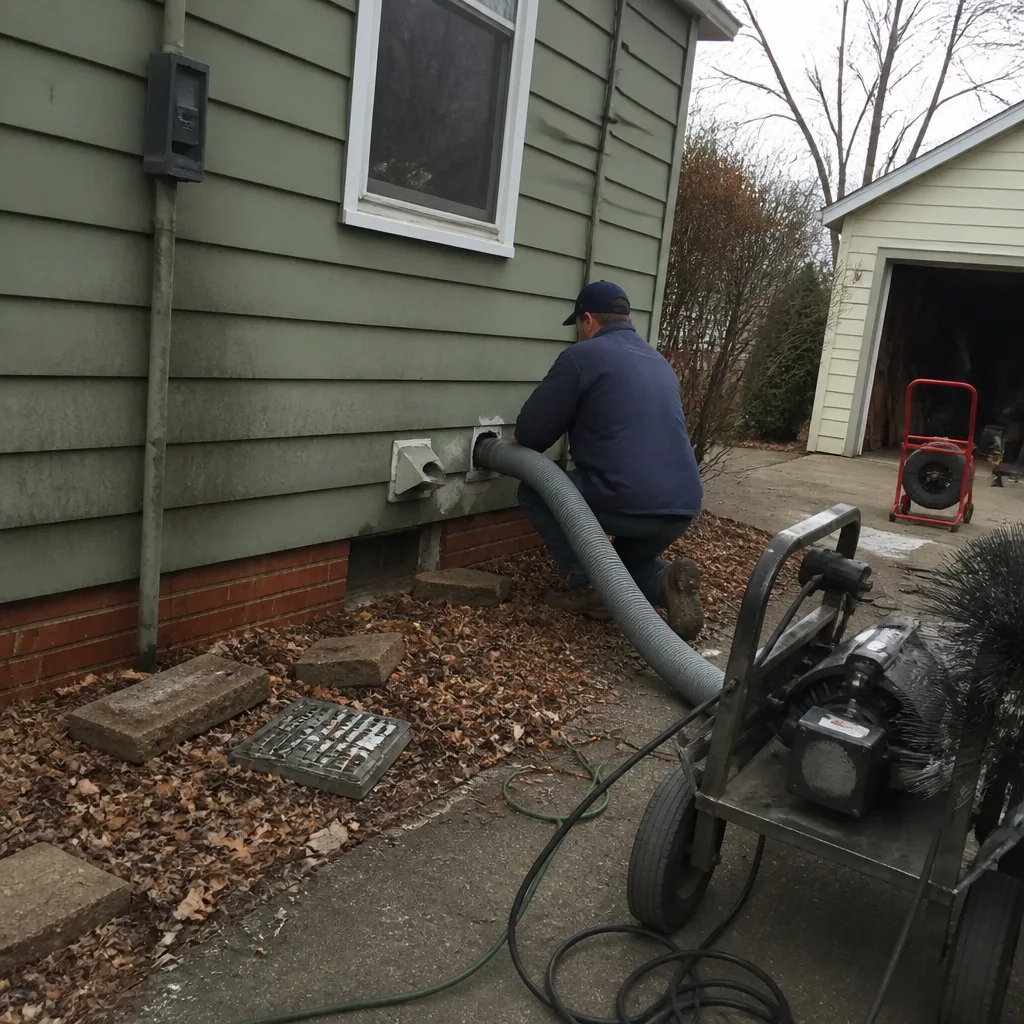 Before
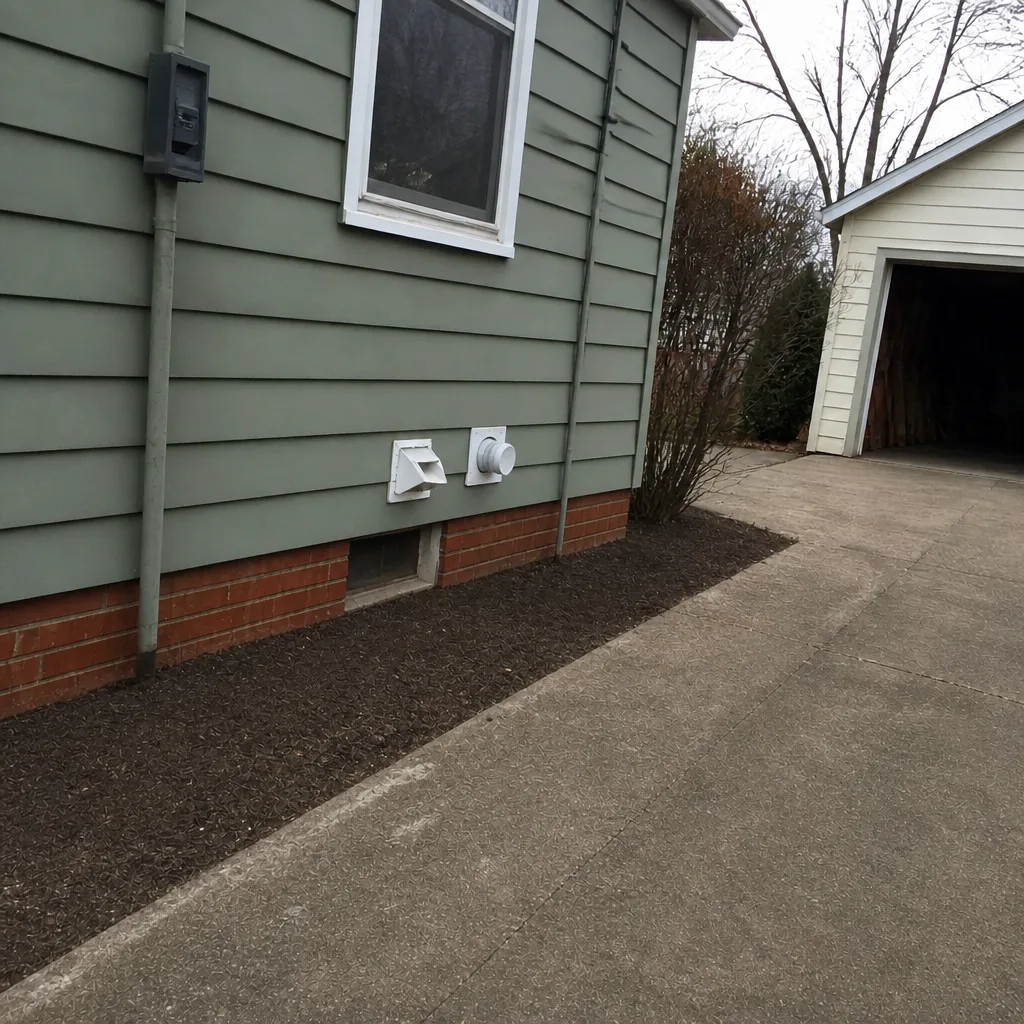 After
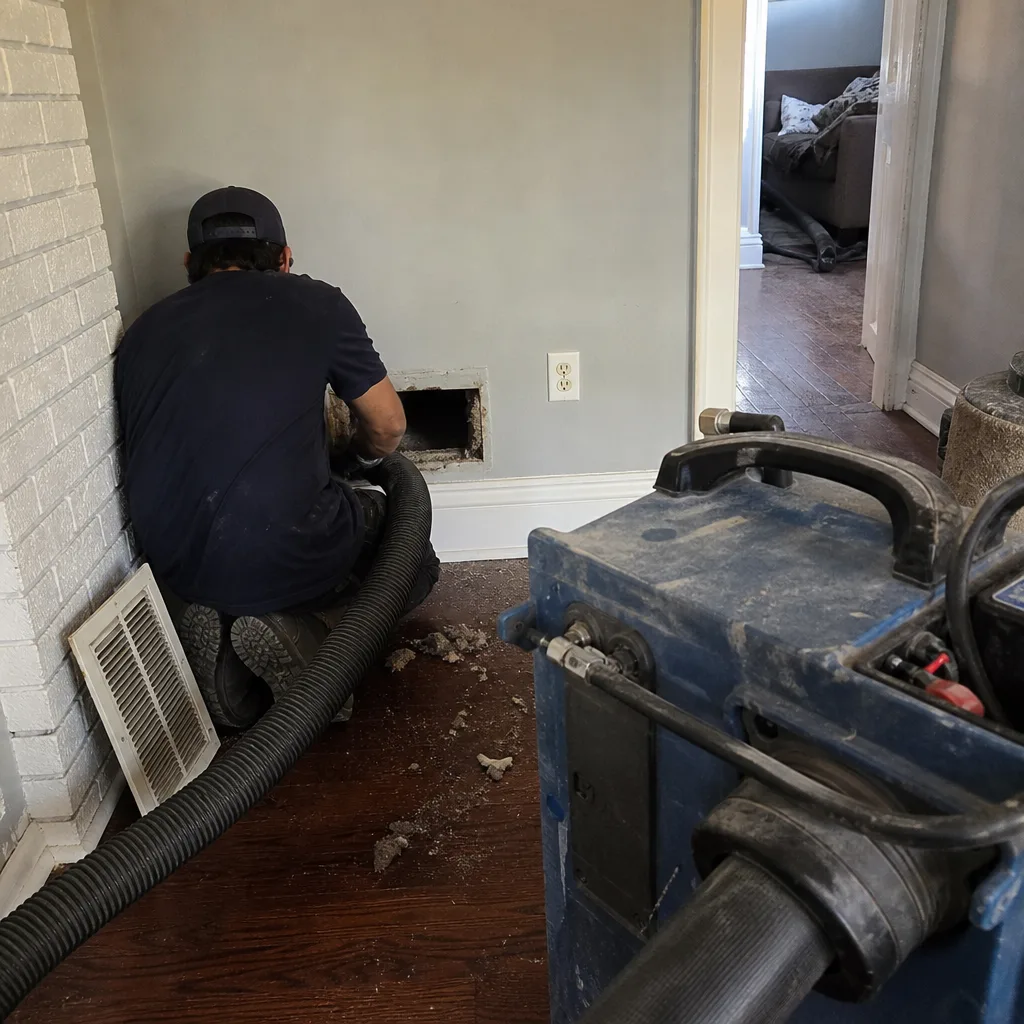 Before
 After
 Before
 After
A Homeowner Checklist Before You Call for a Re-Service
Before you pay for another cleaning, run these checks yourself. In our experience, at least half of “my ducts are dirty again” calls resolve at this stage without a technician visit. The other half confirm that a real problem exists and a re-service is warranted.
- Check the air filter. Confirm it’s the right size, seated correctly, and not overdue for replacement. A dirty or bypassing filter accounts for a surprising share of recurring dust.
- Inspect each register visually. Look inside the vents with a flashlight for visible material, dust streaks, or loose debris at the boot. Note which rooms look worse.
- Compare airflow at each register. A tissue held to the supply should flutter strongly. Weak flow at one register suggests a leak or collapsed run rather than dirty ducts.
- Note the timing of dust recurrence. Days means an active source. Weeks means dust production matched with inadequate filtration.
- Compare static pressure. If you have a technician measure static before and after cleaning, high static with weak airflow points to leakage or restriction, not dirt.
- Look for moisture. Check the drain pan and any duct runs in unconditioned space for condensation or damp insulation.
- Ask for your prior service records. Confirm whether the previous cleaning included agitation and negative-air containment. If it skipped either, the job wasn’t complete.
If your checks point to a source or a sealed-system problem, that’s the moment to call. If they point to ordinary dust and a filter issue, replacing the filter and giving it a couple of weeks usually tells you which way it’s going. Either way, you’ll be making an informed decision instead of paying for a re-clean that won’t solve the actual problem.
How Should Plaza Midwood Homes Handle Humidity and Filtration?
Plaza Midwood’s warm, humid summers put real pressure on indoor air quality. Between high outdoor humidity and the older housing stock that dominates the neighborhood – bungalows and foursquares with ducts often routed through attics or crawlspaces – moisture control and filtration aren’t optional add-ons. They’re the difference between a system that stays clean and one that keeps growing things back.
Filtration grade matters more than most homeowners realize. A filter that’s too restrictive chokes airflow and raises static pressure; a filter that’s too open lets fine particulates through. Getting the right balance for your system’s capacity is where name-brand air-quality products earn their place. Honeywell and Aprilaire products – filtration and humidity control included – let us match the filtration to the system rather than guessing. Whole-home dehumidification keeps interior humidity where it belongs through the cooling months, which directly addresses the biofilm and odor recurrences that come back after a cleaning.
Guardsman products round out the sanitizing side, giving us a way to treat interior surfaces after growth is removed. Cleaning removes the growth. Sanitizing removes the residue. Moisture control prevents it from coming back. All three belong in the same plan, and all three are handled under one scope rather than handed off to separate providers.
If your home has had a recent renovation – a common situation in Plaza Midwood’s older housing stock as owners modernize – plan for a post-construction cleanout. Drywall dust settles deep in branch lines and doesn’t come out with a surface pass. Agitation plus HEPA extraction is the only reliable way to clear it.
Common Mistakes to Avoid
- Assuming a re-clean will fix recurring dust. If the real cause is a leak or a fouled blower, a second cleaning only repeats the first result. Diagnose the source before you pay again.
- Closing vents in other rooms to boost a cold one. This raises static pressure across the whole system and makes leakage worse. Balance is a duct-sealing problem, not a vent-closing one.
- Treating odor on the assumption that cleaning wasn’t thorough enough. Odor that returns within weeks is a moisture problem. Cleaning the ducts again without drying the system is a repeating expense.
- Running a high-MERV filter in a system that can’t handle it. A restrictive filter starves airflow and raises static pressure. Match the filter grade to the system’s capacity rather than buying the highest MERV on the shelf.
- Skipping the sealing pass after a clean. Cleaning the ducts and leaving leaks open invites the same material right back in. The seal is what makes the cleaning last.
- Ignoring construction dust after a renovation. A single surface pass won’t touch drywall dust that’s settled in branch lines. It has to be agitated and extracted.
- Waiting on a louder HVAC after cleaning. A blower wheel loaded with dislodged debris is a fixable problem when it’s caught early and a motor strain when it isn’t. Call it in.
When to Call a Professional
Some problems are worth a technician’s eye, and it’s usually clear which ones. Call when dust returns within days rather than weeks, when a musty smell comes back after a cleaning, when one room is stubbornly off from the rest, or when the HVAC gets louder after a service. Call after a major renovation if the drywall dust hasn’t settled. Call if you can see moisture or damp insulation in an attic or crawlspace duct run. And call if your own checklist – filter, registers, airflow, static pressure – confirms a real source rather than ordinary dust. These are the symptoms that point to a mechanical fix, not another cleaning pass.
Air Duct Cleaning Plaza Midwood offers free estimates in Plaza Midwood, with Rotobrush agitation and Abatement Technologies negative-air containment as the standard, not an upgrade. Call (877) 492-2597 for a free estimate. We answer 24/7. Fast dispatch from 7am to 7pm, Sunday through Friday.
Frequently Asked Questions
Because the dust is coming from a source the cleaning didn’t address – usually a leaky duct joint pulling attic or crawlspace air, a return plenum that wasn’t cleaned under negative pressure, or a filter that’s overdue. If dust returns within days, that source is active and a technician should diagnose it rather than re-clean. Call (877) 492-2597 for an exact quote – estimates are free.
Pricing is per-system, not per-vent, and the written estimate sets the final price. Whole-system cleaning is quoted after a technician assesses the system’s size, the number of runs, and whether sealing work is needed. That’s deliberate – a per-vent number invites the bait-and-switch problem, where the low teaser becomes a bigger invoice on-site. We quote the whole system up front. Call (877) 492-2597 for an exact quote – estimates are free.
Because they often skip agitation or negative-air containment – the two steps that separate a real clean from a surface pass. A quote that doesn’t include a rotary-brush agitation tool and HEPA-filtered negative pressure is a cosmetic service, and the dust will be back. Ask what equipment will be on the job before you compare prices. Call (877) 492-2597 for an exact quote – estimates are free.
Ask for before-and-after photos of your own ducts, taken at the same locations, not stock images. A real service will have photos to show, because the equipment setup – agitation, containment, HEPA extraction – leaves visible evidence. Confirm the technician also cleaned the return side and the plenum, not just the supply registers.
Less often than most people think, and there’s no fixed schedule that fits every home. The triggers are specific: after a major renovation, after moving into an older Plaza Midwood home, when a musty odor or visible dust points to a source, or when a household member has allergies or asthma and the system is suspect. Between those triggers, a good filter and a sealed duct system do most of the work. Call (877) 492-2597 for an exact quote – estimates are free.
Yes. Sealing is a core service, not a referral, so leaks found during a cleaning are closed the same visit. That’s deliberate – a cleaned but leaky system is only half fixed, and the sealing pass is what makes the cleaning last. Call (877) 492-2597 for an exact quote – estimates are free.
The Bottom Line
Most post-cleaning complaints in Plaza Midwood aren’t cleaning failures. They’re diagnostic signals: recurring dust points to an active source, returning odor points to moisture, uneven rooms point to leakage, and a louder HVAC points to debris caught at the blower. Read the clue before you pay for a re-service. The real fix is usually a two-step job – Rotobrush rotary-brush agitation with Nikro HEPA extraction under Abatement Technologies negative-air containment, followed by a duct repair and sealing pass that keeps the cleaned system clean. If you’re in Plaza Midwood and your ducts are telling you something, our technicians are ready to listen. Free estimates, clean ducts as step one, sealed ducts as the finish line. Explore our Air Duct Cleaning Plaza Midwood page for the full service scope, or read up on air duct cleaning, dryer vent cleaning, and HVAC cleaning to see what the full-system approach covers.
Contact
Call (877) 492-2597 for a free estimate on duct cleaning, sealing, or a full diagnostic. We answer 24/7. Fast dispatch from 7am to 7pm, Sunday through Friday. One flat price per system, agreed before work starts, with before-and-after photos of your own ducts.
Written by the team at Air Duct Cleaning Plaza Midwood.