
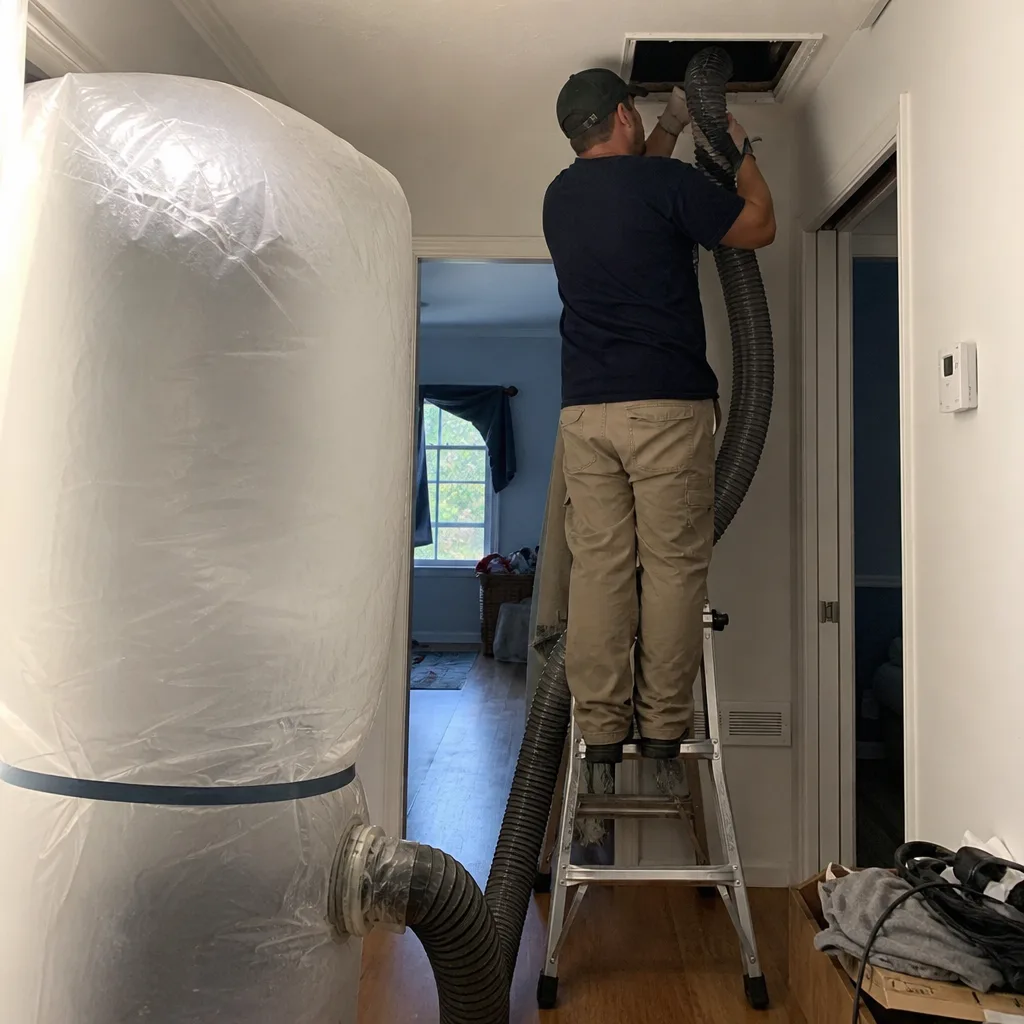
Last updated November 23, 2026
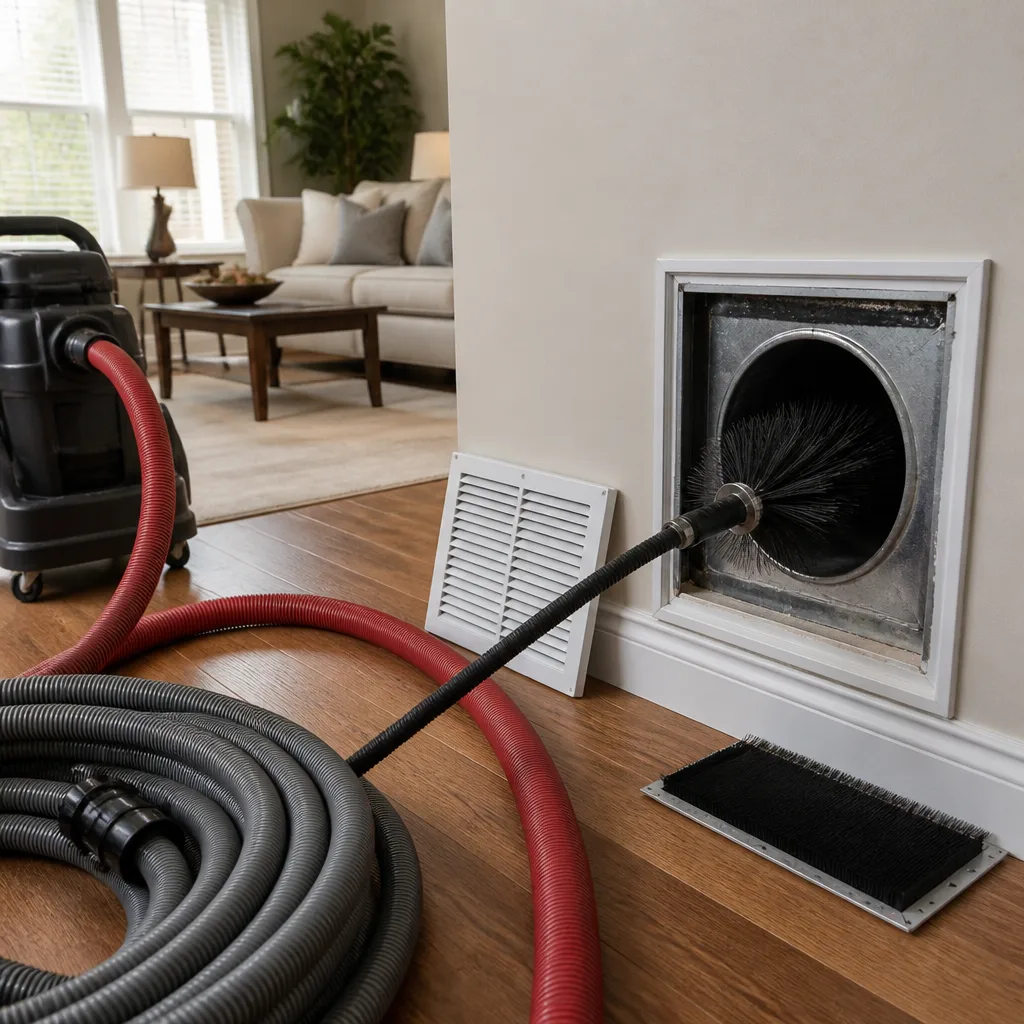 Whole-home duct cleaning
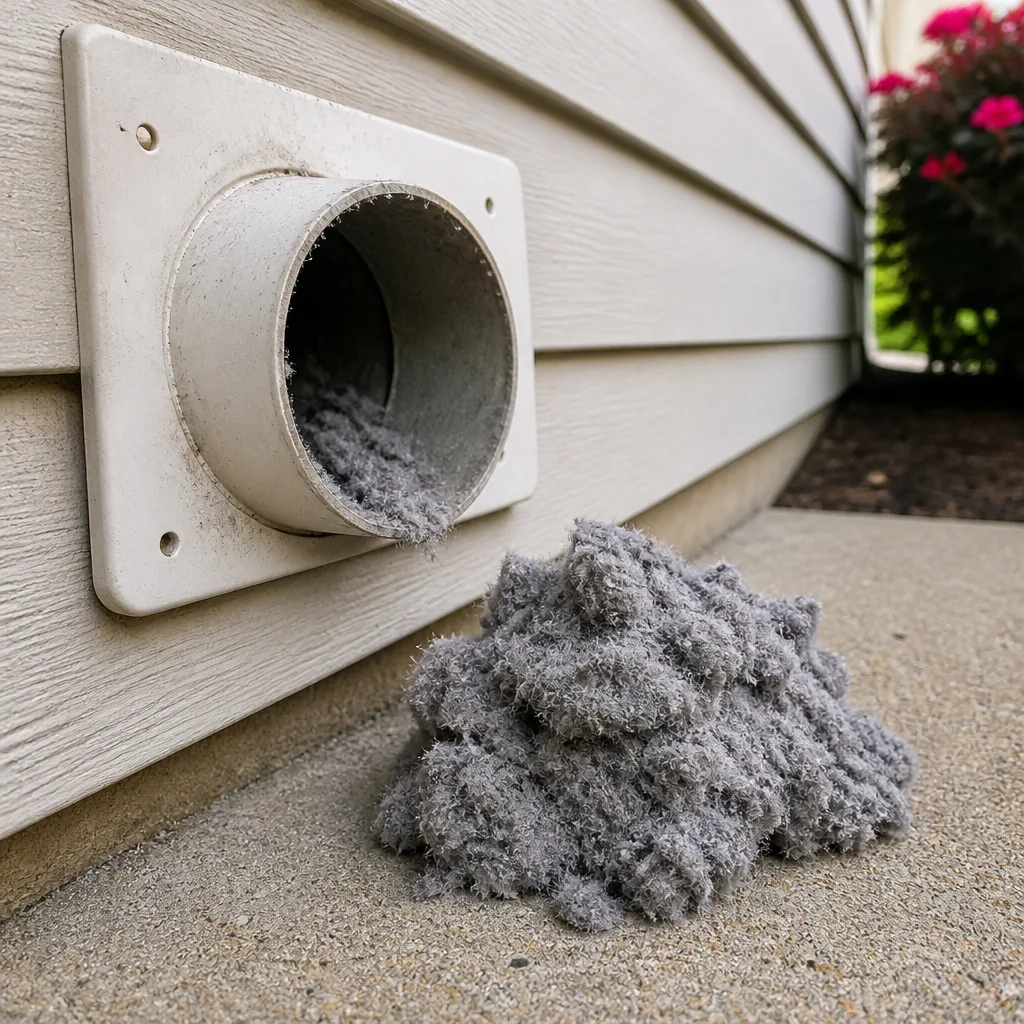 Dryer vent cleaning
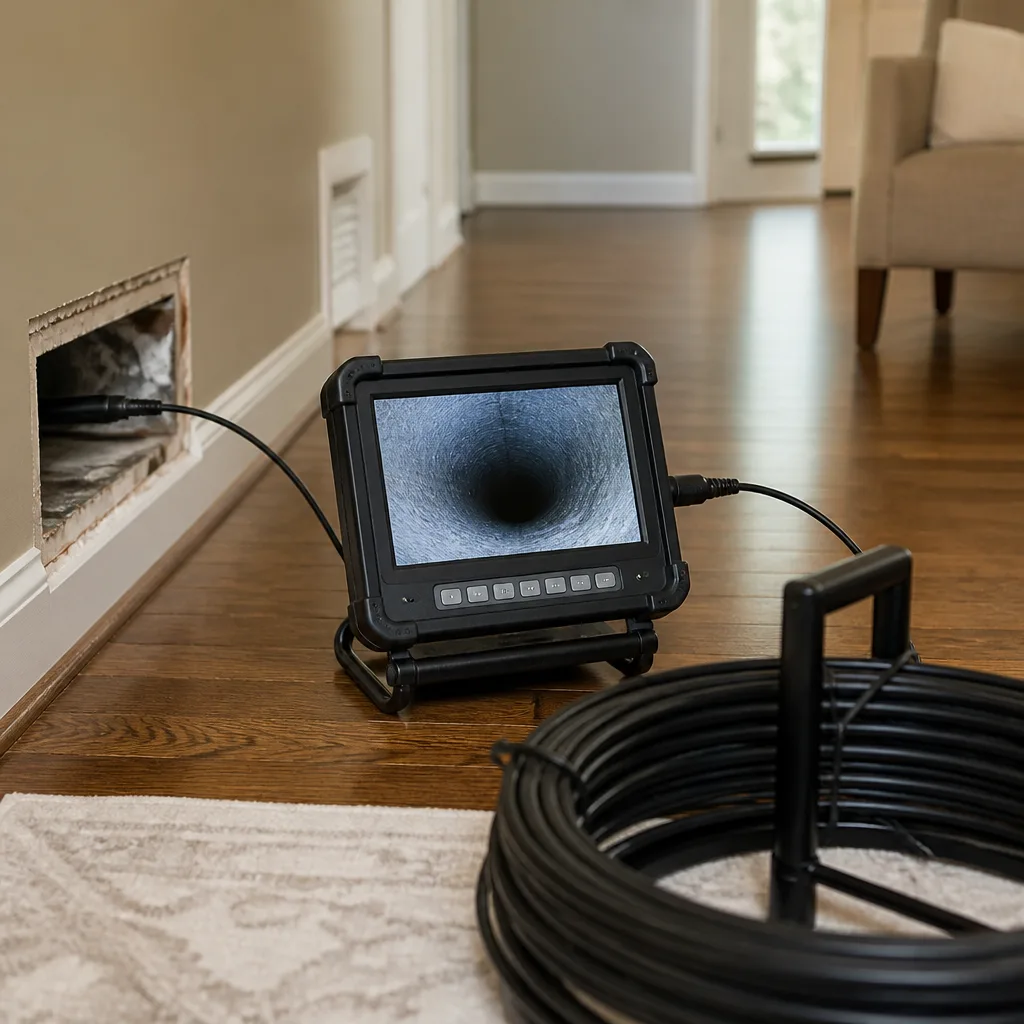 Camera inspection
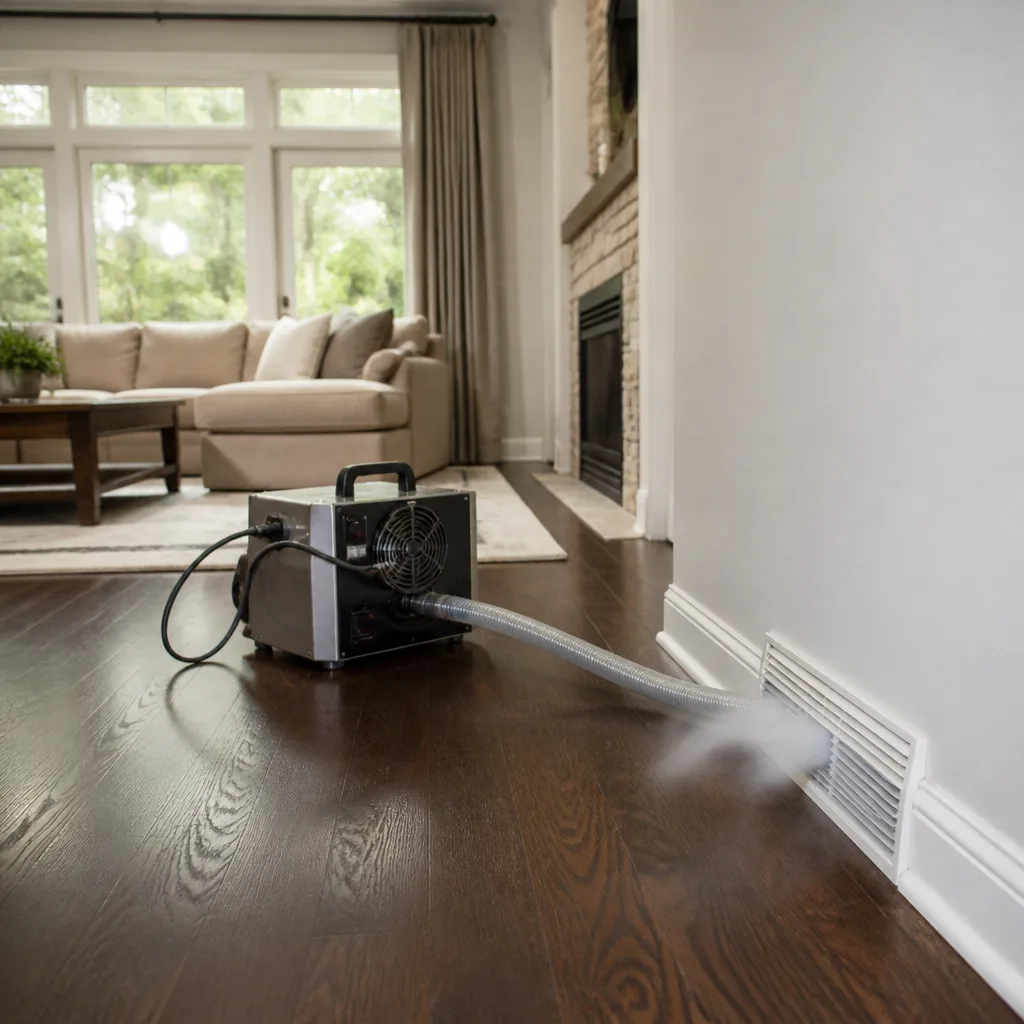 Sanitizing & deodorizing
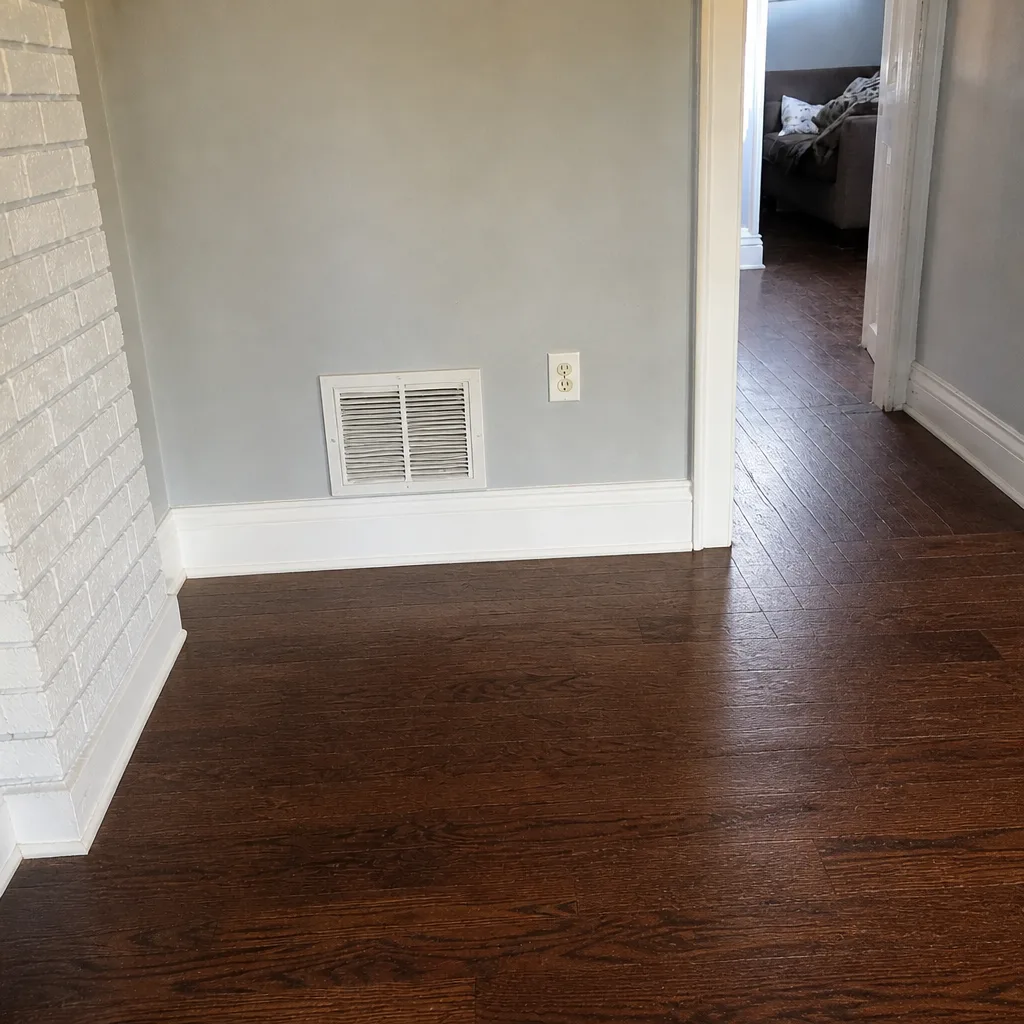
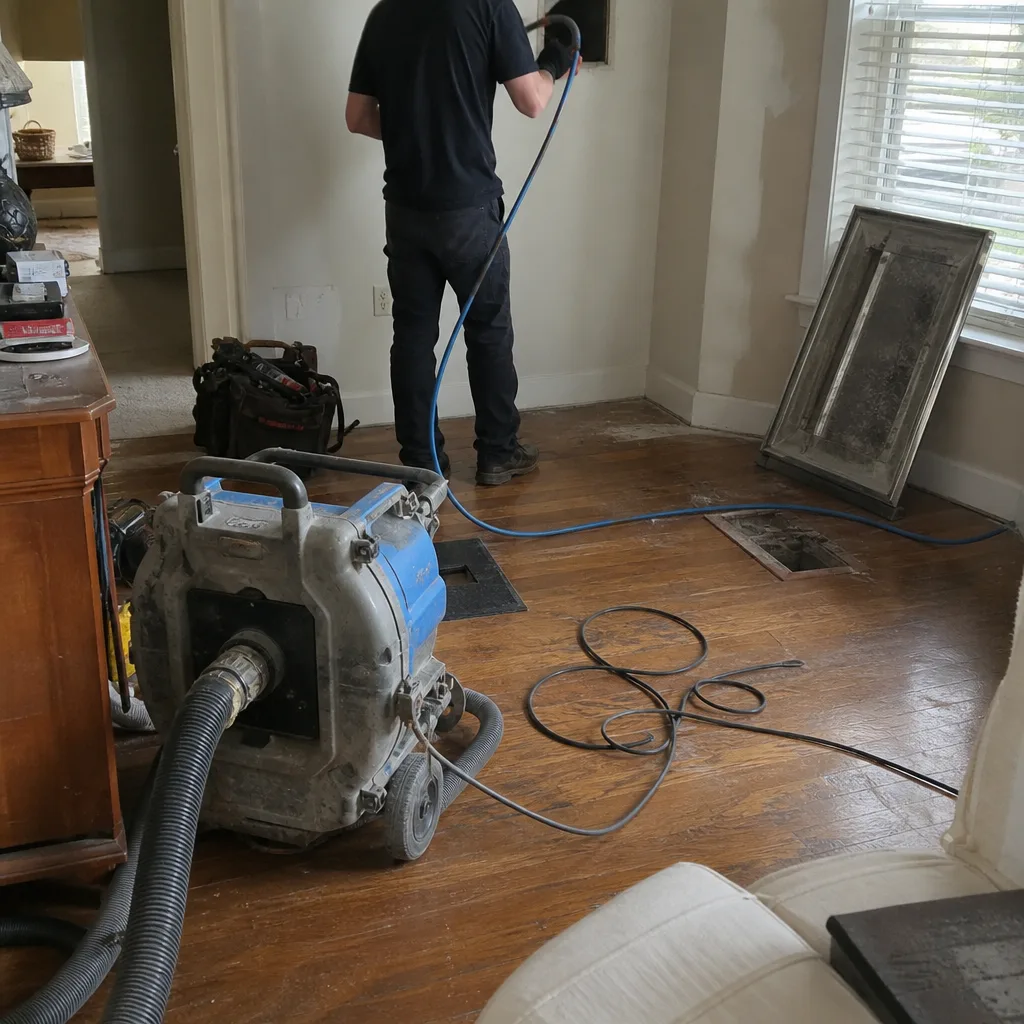
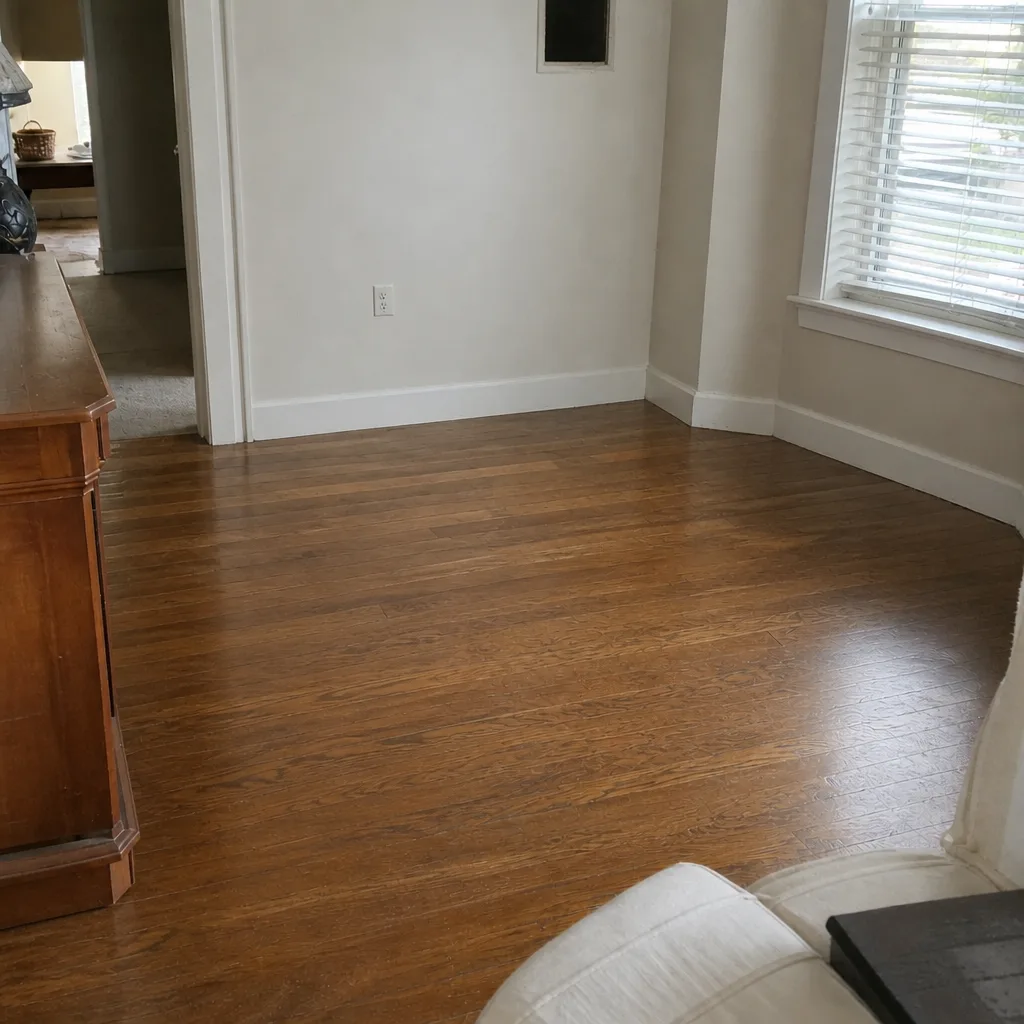
Whole-system duct and dryer vent check with before-and-after photos - you see exactly what came out of your vents
That "$99 whole-house special" is a bait ad - the real number appears once they are in your hallway, or the "clean" is a shop-vac at the register. We photograph the inside of your ducts before and after instead.
Air Duct Cleaning Warning Signs: A Plaza Midwood Homeowner’s Reference Guide
That musty smell when the heat kicks on for the first time in October is usually not a furnace problem. It’s organic material sitting in the duct system, volatilizing under heat, and running the system through it doesn’t clear it – it spreads it through every room. That single misread sends homeowners toward the wrong repair and leaves the actual source untouched. In this guide we’ll walk through the warning signs a Plaza Midwood duct system gives off, connect each symptom to its likely cause, and separate the signs that need a call this week from the ones that can wait for a scheduled visit.
Quick Answer
The main warning signs of a dirty duct system are visible buildup at the registers (dust, black particulate, or fuzzy growth), uneven airflow between rooms, musty or burning smells that appear at specific points in the heating cycle, and a spike in dust after renovation. Musty and burning smells plus visible biological growth point to a problem worth addressing now, while steady dust accumulation with no odor is usually a scheduled-visit item. Most of what homeowners read as an equipment failure is actually restriction or contamination inside the ducts.
Styles & brands we work with
- Whole-home duct cleaning
- Dryer vent cleaning
- Camera inspection
- Sanitizing & deodorizing
Table of Contents
- What You’re Actually Seeing at the Registers
- Airflow Symptoms That Point to Ducts, Not Equipment
- Odor Taxonomy: Reading Four Smells and Their Timing
- Post-Renovation Warning Signs in Plaza Midwood
- Mold vs. Heavy Particulate Loading: Why the Difference Matters
- What Plaza Midwood’s Climate Does to Duct Systems
- Which Signs Are Urgent and Which Can Wait
- How a Proper Duct Inspection Works
What You’re Actually Seeing at the Registers
The register is the one part of the duct system you can see without a camera, and it tells you more than most homeowners realize. There’s a wide gap between normal dust and a system that’s genuinely loaded up, and the color of the buildup is the fastest way to tell the difference. Before you call anyone, look closely at the grille and the supply boot behind it. A phone photo of the buildup is often enough for a technician to tell you which category you’re in.
Here are the three patterns worth recognizing:
- Normal dust accumulation. A thin, even gray-tan film that reappears slowly over months. It wipes clean and doesn’t have a texture. Every system in Plaza Midwood has some of this, and on its own it isn’t a warning sign.
- Black particulate. Dark, sooty streaks or a black film that clings to the grille and the boot behind it. This looks different from dust – it’s darker, can smear, and often concentrates near registers closest to the return. Black buildup can be combustion byproduct moving through the system, and it’s worth having the source checked rather than cleaning it away and forgetting it.
- Biological growth. Fuzzy, patchy, or speckled growth with a texture you can see – often white, gray, or greenish, and frequently at the register that serves the most humid part of the house. This is a signal that something in the system is staying wet long enough for growth to take hold, not just dirty.
In our experience, the photos homeowners send in tell us more in ten seconds than a phone conversation can. If the buildup has texture, smears, or grows back within a few weeks of wiping, describe it plainly when you call and expect a closer look. If it’s just the slow gray film and there’s no odor and no airflow complaint, you’re likely looking at normal wear and scheduling rather than an emergency.
Airflow Symptoms That Point to Ducts, Not Equipment
Homeowners in Plaza Midwood tend to blame the furnace or the outdoor unit when one room runs hot and another runs cold. The equipment is more often fine. What changes is the duct system – the path the air has to take and how much resistance it meets along the way. The trick is reading the pattern of the symptom, because equipment faults and duct restriction produce different signatures.
Uneven room temperatures
A room that’s consistently five or six degrees off from the rest of the house, and stays that way through every season, is usually a duct problem. It could be a crushed or disconnected run, a poorly sealed boot at the register, or a long run that’s starved for pressure. A system fault, by contrast, tends to affect the whole house roughly evenly.
Weak supply pressure
Put your hand up to a supply register and compare it to another register in the house. If one is noticeably weaker, you’re feeling restriction inside the ducts – buildup, a collapsed flex run, or a damper that’s partly closed. The next step is tracing the run, not replacing the blower.
Cycling frequency changes
When a system starts short-cycling – coming on, running briefly, and shutting off more often than it used to – the usual instinct is to call an HVAC tech. Restriction in the ducts can cause this too, because the system can’t move its designed air volume and reacts by running shorter cycles. If you’ve noticed short cycles and the system has never been cleaned, it’s worth having both sides checked.
Dust reappearing on surfaces within days
Dust that settles on furniture within a couple of days of cleaning, especially in one area of the house, points to a leak on the supply side pulling in attic or crawlspace air and blowing it into the room. That’s a duct repair and sealing issue more than a cleaning one. Closing leaks and cleaning the system together is where the real improvement shows up in Plaza Midwood homes with older duct layouts.
Odor Taxonomy: Reading Four Smells and Their Timing
Smell is the most reliable of all duct warning signs, but only if you note when the smell happens. Different problems release their odor at different points in the heating or cooling cycle, and the timing narrows the cause faster than the smell alone. Keep a short note for a few days: what it smells like, which room you notice it in, and whether it happens on startup, mid-cycle, or when the system shuts off.
- Musty (microbial). Smells like a damp basement or wet laundry. Usually strongest when the system first starts and in the room with the highest humidity. Points to microbial growth somewhere the system stays wet – often a register in a bathroom or humidexposed part of the house. Fix the moisture source first, then clean.
- Burning or scorched dust. A dry, hot smell that shows up in the first minutes of the heating season, then fades. This is typically dust settling on the heat exchanger. If it’s a one-time smell that goes away, it usually clears. If it persists past the first week of use, or smells acrid or electrical, stop and have a technician look at it before running the system again.
- Chemical or plastic. A sharp, plastic-like smell that appears when the system runs, sometimes worse when it’s been off for a while. This can be off-gassing from deteriorating duct liner or a failing component. It’s a less common category, but if you can’t account for it, it’s worth a professional look before you keep running the system.
- Rodent-origin. A distinctly animal smell, often strongest near the return or in the rooms furthest from the mechanicals. Rodents use duct runs – especially flex duct in attics and floor cavities – and the smell is a sign something found a way in. Cleaning without locating and closing the entry point will not solve it.
One note that’s worth repeating: a musty smell that appears the first time you run the heat in fall is the classic Plaza Midwood phone call, and it’s almost always organic material in the ducts volatilizing under heat. Running the system through it doesn’t clear it. It distributes it more widely, which is why the smell seems to follow you from room to room.
Post-Renovation Warning Signs in Plaza Midwood
Plaza Midwood has an active renovation scene – older homes being gutted and rebuilt, additions added, kitchens opened up – and renovation dust is one of the most common reasons a duct system ends up loaded with fine particulate. Construction dust is finer than household dust and it migrates into the duct system through open registers and return grilles while work is going on. A normal post-renovation system has some surface dust at the registers. A contaminated one has fine, pale grit throughout the supply side, and often the return filter is clogged within days of the work finishing.
Here’s how to tell the difference:
- Check the supply registers within the first week after the work ends. Normal dust is light and surface-level. Construction contamination shows as fine, pale grit that coats the inside of the boot and reappears quickly after wiping.
- Look at the filter. If the return filter clogs within days of a fresh install, fine construction dust is still moving through the system.
- Notice the smell and the haze. If the air in the house looks faintly hazy when the system runs after a renovation, the particulate is still circulating.
- Ask what was open during construction. If registers and returns were left uncovered while walls were opened, expect a deeper clean than a normal one.
Post-construction duct cleaning is a different scope of job than routine cleaning because the material is heavier and finer. Professional equipment matters here – a rotary-brush extraction system with HEPA filtration and negative-air containment will pull construction dust out of a system, where a shop vac will just redistribute it. If you’ve just finished a renovation in Plaza Midwood and the air still feels gritty weeks later, that’s the sign to book a cleanout rather than keep running the system.
Mold vs. Heavy Particulate Loading: Why the Difference Matters
Two visually similar problems in a duct system – biological growth and heavy particulate loading – call for different cleaning methods and different price ranges, which is why we push homeowners to describe the sign carefully before assuming the worst. Mold needs a moisture source fixed. Heavy particulate needs extraction. Cleaning without addressing a moisture source gives you a short-lived result.
What mold looks like
Patterned, fuzzy, or speckled growth that keeps coming back. Often concentrated at one register or one section of visible duct, and strongest in the most humid part of the house. If it’s mold, the conversation starts with finding the moisture source – a bathroom register with no exhaust fan running, a sagging flex run with condensation, a return in a damp basement.
What heavy particulate loading looks like
Uniform buildup across many registers with no texture to it. Pale or dark powdery buildup that’s consistent from room to room, often with a musty or earthy smell that appears whenever the system runs. This is a cleaning job, not a moisture job. Sanitizing after extraction helps with the odor, but the cleanup itself is mechanical.
Why it matters for the cleaning method and the price
A system with heavy particulate responds well to rotary-brush extraction followed by negative-air HEPA containment. A system with active microbial growth needs the moisture source fixed and often calls for a sanitizing step and possibly a filtration upgrade, which can be handled with Aprilaire or Honeywell products depending on the house. The written estimate should spell out which scope you’re in, because guessing at it on the phone always ends up costing more than looking first.
If you’re not sure which category you’re looking at, take photos of what you can see at the registers and describe the smell and timing. A professional can tell you over the phone which direction the job is likely to go. Cleaning services built around a proper diagnosis – like air duct cleaning done with real extraction equipment rather than a quick pass – will give you a flat price per system rather than per vent, so the scope is clear before anyone starts.
What Plaza Midwood’s Climate Does to Duct Systems
Plaza Midwood sits in the Carolina Piedmont, which means long, humid summers and heating seasons that kick on abruptly when the first cold front comes through. That combination stresses a duct system in a specific way. The summer humidity keeps the system wet enough for microbial growth in any part of the house that stays damp – bathrooms, laundry rooms, returns in crawlspaces – and the first big heat run in October volatilizes whatever has accumulated over the summer into every register in the house at once.
The housing stock here makes it worse. Many Plaza Midwood homes are older, and duct layouts that were originally sized for a smaller system have sometimes been modified over the years with added runs, flex duct repairs, or new registers. Those modifications are where leaks and disconnected runs tend to appear. Older duct liner can also degrade over time, and that’s one of the sources of the chemical smell we described above. In our experience, homes of this vintage tend to benefit more from a full inspection than from a quick clean, because what shows up on the camera often explains symptoms the homeowner has lived with for years.
One more local note: Plaza Midwood’s tree canopy is one of its defining features, and it’s also why rodent intrusion is a real warning sign to watch for here. Squirrels and mice get into attic and crawlspace ducting more often than most homeowners realize, and the smell is usually the first sign. If you notice a rodent smell, ask for the entry point to be located and closed before cleaning starts, not after. Cleaning without sealing just reopens the door for them.
Which Signs Are Urgent and Which Can Wait
Not every warning sign needs a call this week. Some are health-relevant and should be addressed quickly; others are scheduled-visit items. This list is meant to be the version you keep on your fridge.
- Urgent – call now: persistent burning or electrical smell from registers; black sooty buildup around registers that could be combustion byproduct; mold visible at multiple registers or recurring after cleaning; rodent smell that won’t go away; fine grit circulating in the air long after a renovation.
- Schedule soon: musty smell at one register that appears every heating season; a room that runs consistently hot or cold; a filter that clogs within a month of replacement; visible buildup at a majority of registers.
- Can wait for a scheduled visit: normal dust accumulating slowly; minor unevenness in airflow between rooms; no odor, no visible growth, system otherwise running normally.
If you’re in the urgent column on anything, take photos and note the details before calling. The more specific the description, the more useful the first conversation is. And if the urgent sign is an electrical or burning smell that seems to come from inside the wall rather than the register, shut the system down and have it looked at first – that’s a case where the duct system is telling you about a component problem upstream.
How a Proper Duct Inspection Works
A real duct inspection is not a sales visit with a flashlight. It’s a documented look inside the system with a camera, followed by a scope of work that matches what the camera shows. Here’s what a proper inspection includes, step by step:
- Walk-through with the homeowner. Identify the symptoms you’ve noticed and which rooms they show up in. The inspection should be shaped by those complaints, not just a general sweep.
- Register-by-register checkout. Photograph the visible buildup at each register and note which ones show growth vs. dust vs. black particulate. That map matters when the scope of work is written.
- Camera inspection of the main trunk and key runs. The camera finds what registers can’t show – buildup in the trunk, disconnected runs, crushed flex, rodent evidence, liner condition.
- Filter and return review. Filter condition, filter type, and return sizing. A wrong-sized or cheap filter is a common cause of both restriction and premature dust.
- Humidity and moisture check. Identify the rooms with the highest moisture load and check whether any duct sections are showing condensation or biological growth.
- Scope and flat-price estimate. The written estimate should specify the scope – cleaning only, cleaning plus sanitizing, cleaning plus duct repair and sealing – and give one flat price for the system, not a per-vent number.
- Cleaning with professional containment. The job itself should use rotary-brush extraction and negative-air containment so dislodged debris is captured on the way out rather than redistributed through the house.
We run Rotobrush and Nikro equipment for this work, with Abatement Technologies negative-air machines to keep the cleaning contained. The reason we invest in that class of equipment is simple: a shop vac and a promise won’t fix what the camera finds, and it won’t keep the debris from going back into the living room. Professional-grade equipment isn’t a marketing point. It’s what makes the work actually change what’s moving through the air in a Plaza Midwood house.
Clean ducts are step one; sealed ducts are the finish line. Every inspection we do maps the leaks the camera finds, and the estimate spells out whether duct repair and sealing makes sense for that house – because cleaning a system that has three disconnected runs doesn’t do much for the rooms they were supposed to serve. You can also extend the work into filtration with Aprilaire or Honeywell products after a clean, which is the step that keeps the system cleaner between cleanings. Full-scope work – dryer vent cleaning, HVAC cleaning, sanitizing, and sealing – is what changes a house’s indoor air question from a seasonal worry into a solved problem.
Common Mistakes to Avoid
- Blaming the equipment when the ducts are the problem. Calling an HVAC tech for a hot room when the real culprit is a crushed supply run wastes money and doesn’t fix the room. Have the ducts checked first.
- Treating a musty fall smell as a furnace issue. The first-heat smell of the season is usually organic material in the ducts heating up. Running the system through it distributes it. Cleaning the system is the fix.
- Cleaning without fixing the moisture source. If the system is growing mold, cleaning first and looking for moisture second gives a short-lived result. Find the moisture source, fix it, then clean.
- Cleaning before the leak is located in a rodent problem. Cleaning a system with a rodent smell without closing the entry point just gives them a clean place to return to.
- Skipping the post-renovation cleanout. In an active renovation neighborhood like Plaza Midwood, a year of construction dust in the ducts doesn’t just go away. It circulates until it’s extracted.
- Using a shop vac and calling it cleaned. Consumer equipment doesn’t have the extraction power or containment, and the debris ends up back in the room. The Air Duct Cleaning Plaza Midwood approach uses equipment built for this work.
- Accepting a per-vent price that grows once the technician is on site. The bait-and-switch reputation in this trade is real. Ask for one flat price per system, in writing, before work starts, and photos of your own ducts before and after.
See the difference
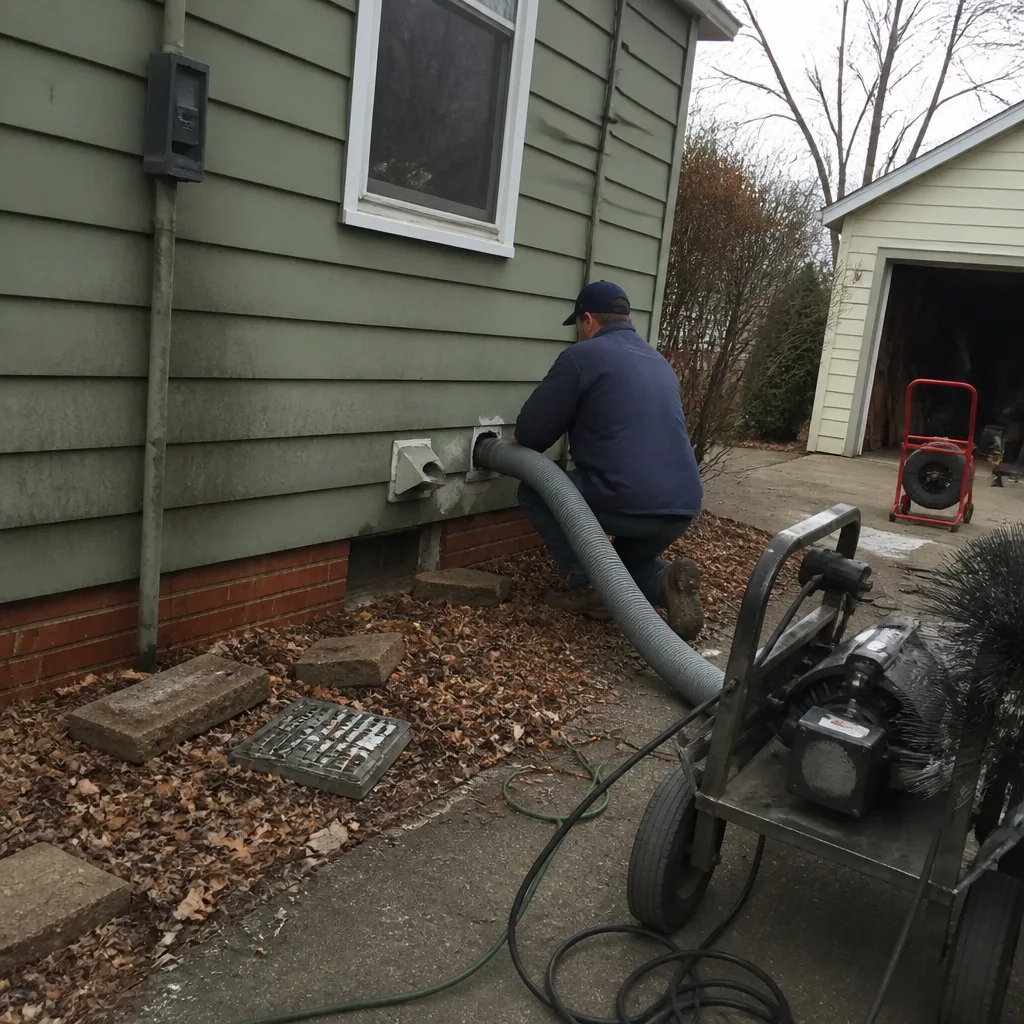 Before
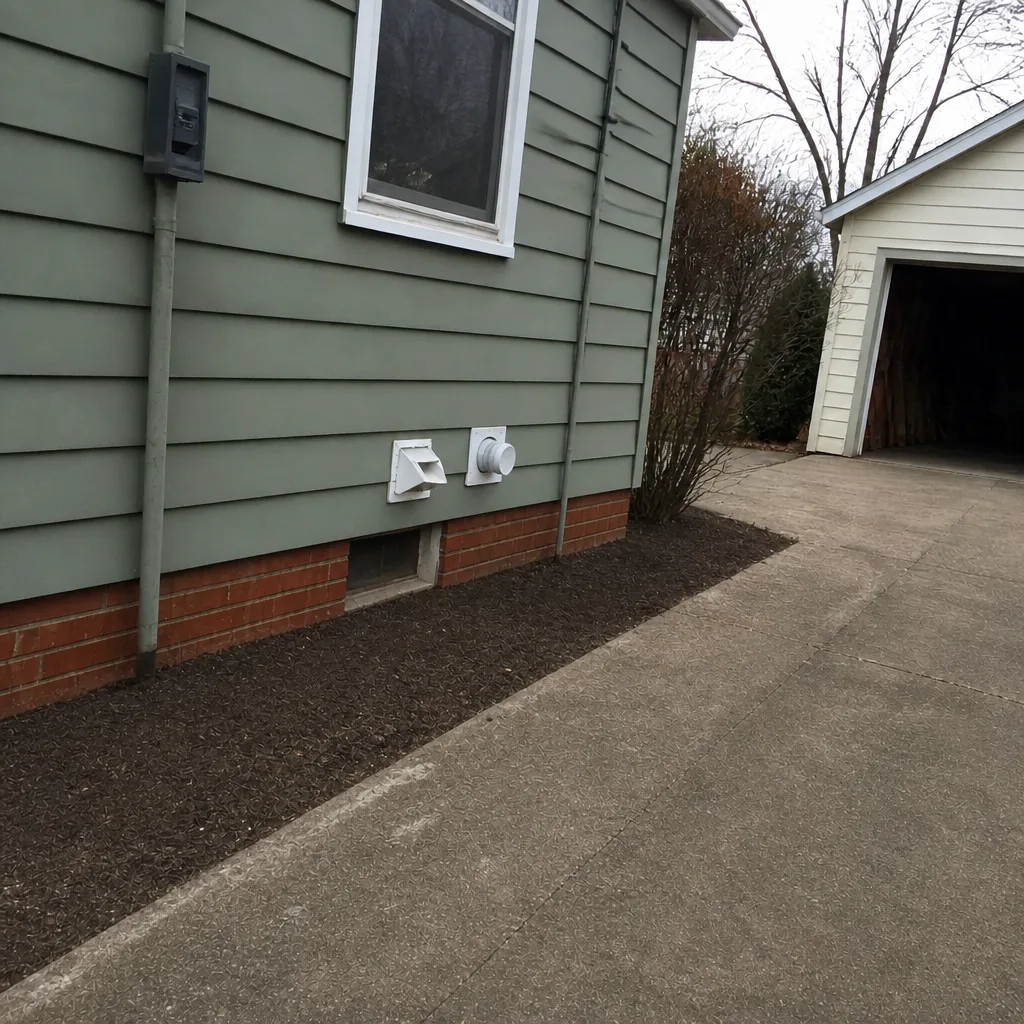 After
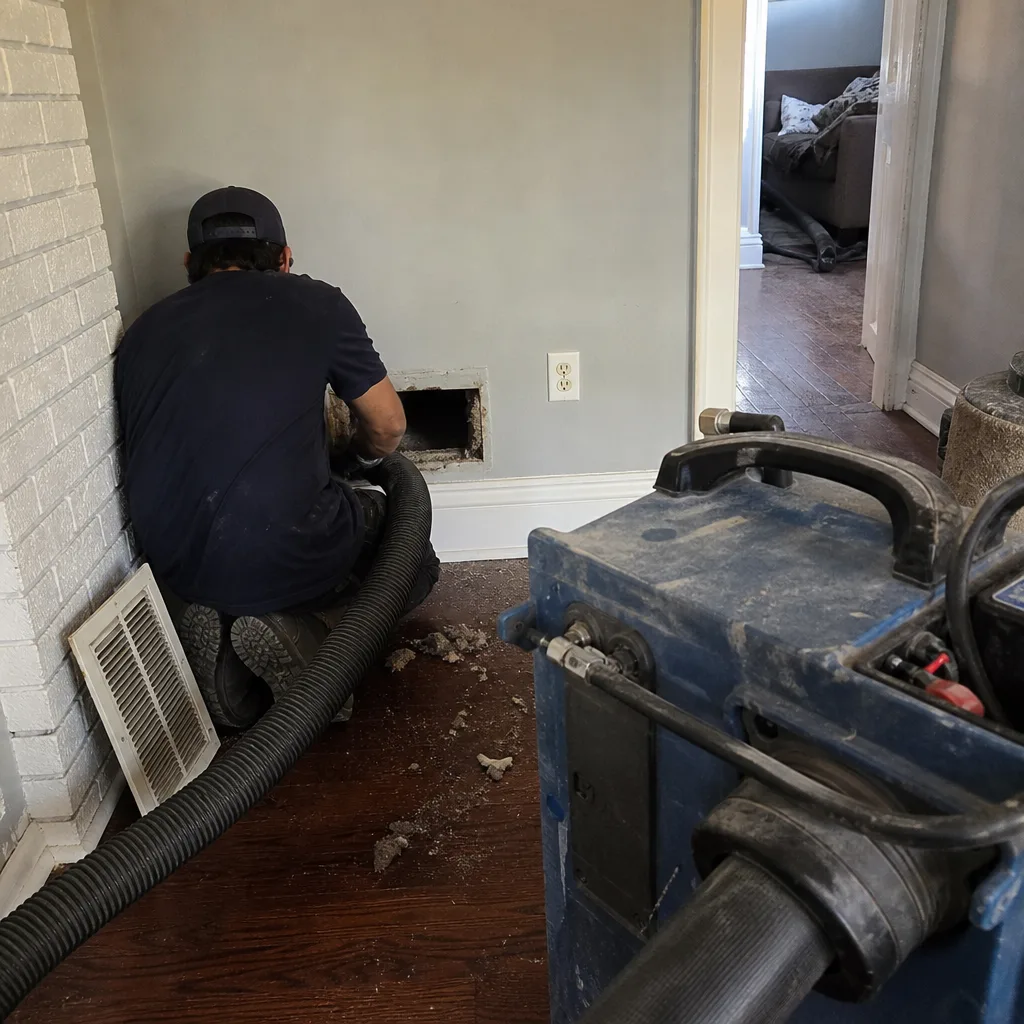 Before
 After
 Before
 After
When to Call a Professional
Call a professional when any warning sign is on the urgent list – persistent burning or electrical smell, black buildup at multiple registers, mold that returns after cleaning, a rodent smell that won’t clear, or fine grit still circulating weeks after a renovation. Call if a room stays the wrong temperature through every season, if the filter clogs within a month of replacement, or if the system has never been inspected and you’re living with symptoms you’ve stopped noticing. Air Duct Cleaning Plaza Midwood offers free estimates in Plaza Midwood – call (877) 492-2597. We answer 24/7. Fast dispatch, 7am-7pm.
Frequently Asked Questions
A whole-system clean for a typical Plaza Midwood house is quoted per system, not per vent, and the written estimate sets the final price after the inspection. The number depends on the size of the system, how much buildup the camera finds, and whether sealing or sanitizing is part of the job. For an exact quote on your house, call (877) 492-2597 – estimates are free.
Cheap quotes are usually priced per vent with a teaser number that grows once the technician is on site, and they often use equipment that doesn’t contain the debris. A real clean uses rotary-brush extraction and negative-air containment, which costs more per system but does what the job is supposed to do. Ask for one flat price per system, in writing, before anyone starts. Call (877) 492-2597 for an honest range on your house – estimates are free.
Ask for before-and-after photos of your own ducts, not stock images. A professional taking the job seriously will show you the camera footage of the trunk before and after cleaning, and will tell you what the inspection found. If nobody’s willing to show you, that’s a sign. Call (877) 492-2597 to book an inspection with photos included – estimates are free.
It depends on the house. Homes with filters changed on schedule, no pets, and no recent renovation can often go several years between cleanings. Homes with allergies, pets, recent renovation, or mold history benefit from a shorter interval. If you’re seeing any of the urgent warning signs above, don’t wait for a schedule – have it looked at. Call (877) 492-2597 for advice on your specific situation.
No. A musty smell often points to microbial growth, but it can also come from damp dust that’s been sitting in the system through the summer. The timing and location of the smell, plus a look at the registers with the camera, is what separates the two. Either way, it’s worth having inspected. Call (877) 492-2597 – estimates are free.
After. The point of a post-construction cleanout is to remove the fine construction dust that migrated into the system while walls and cabinets were open. Register covers during the work help, and a professional cleanout afterward is what gets the system back to a normal baseline. Call (877) 492-2597 to schedule a post-renovation cleanout – estimates are free.
The Bottom Line
The warning signs a duct system gives off are rarely dramatic. They’re a musty smell that shows up every October, a room that’s always a few degrees off, a filter that clogs faster than it should, a buildup at the register that has texture. Read correctly, each one points to a specific cause – restriction, moisture, particulate loading, or a leak – and each one has a different fix and a different cost. The point of this reference guide is to help Plaza Midwood homeowners tell the difference between a scheduled-visit item and a call-now situation. When in doubt, take a photo, describe the smell and the timing, and get a real inspection. Professional-grade equipment, a flat price per system, and before-and-after photos of your own ducts are what to expect.
If any of the signs in this guide sound familiar, call Air Duct Cleaning Plaza Midwood at (877) 492-2597 for a free estimate. We bring the Rotobrush and Nikro equipment that commercial contractors use, contain the work with negative-air machines, and handle duct repair and sealing on the same visit if the camera finds leaks. Clean ducts are step one; sealed ducts are the finish line. One company for the whole system, from the first register to the last. We answer 24/7. Fast dispatch, 7am-7pm, Sunday through Friday.
Written by the team at Air Duct Cleaning Plaza Midwood.