
Last updated November 23, 2026
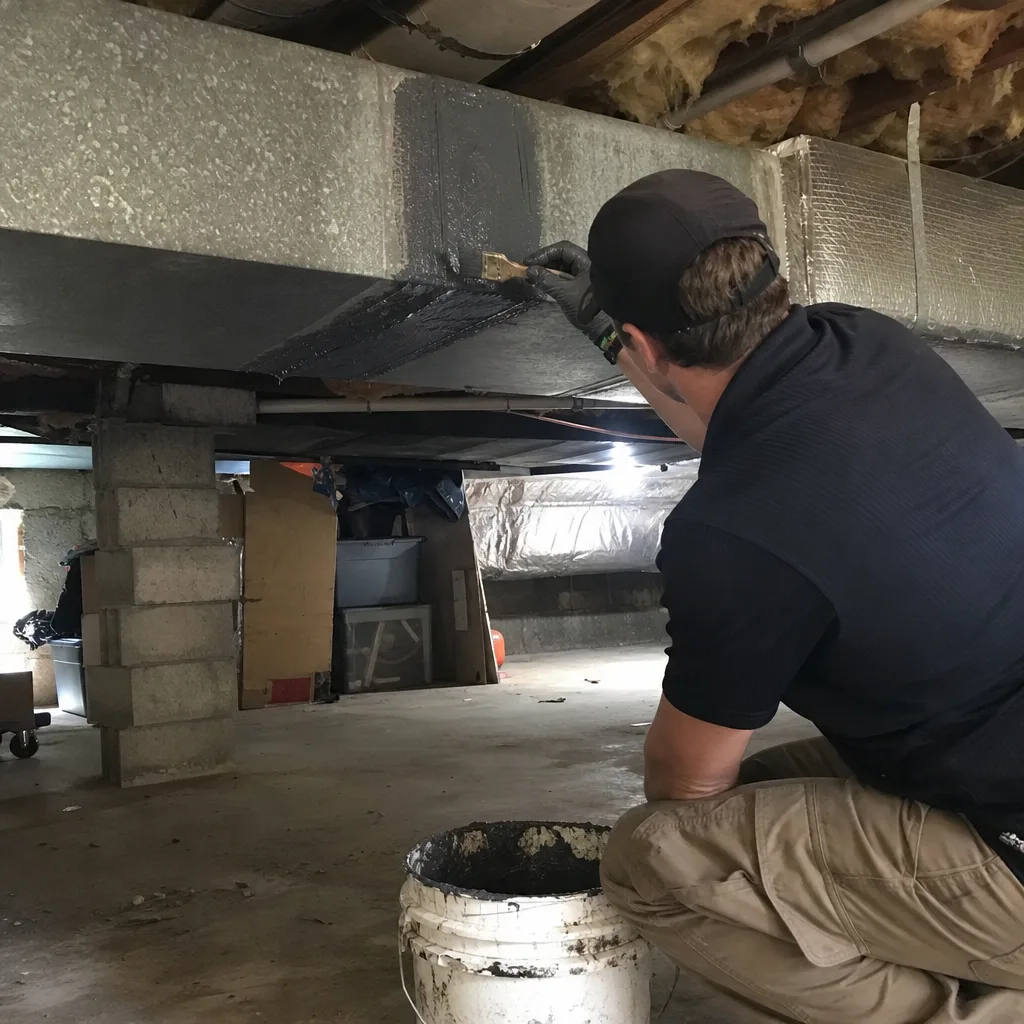
 Whole-home duct cleaning
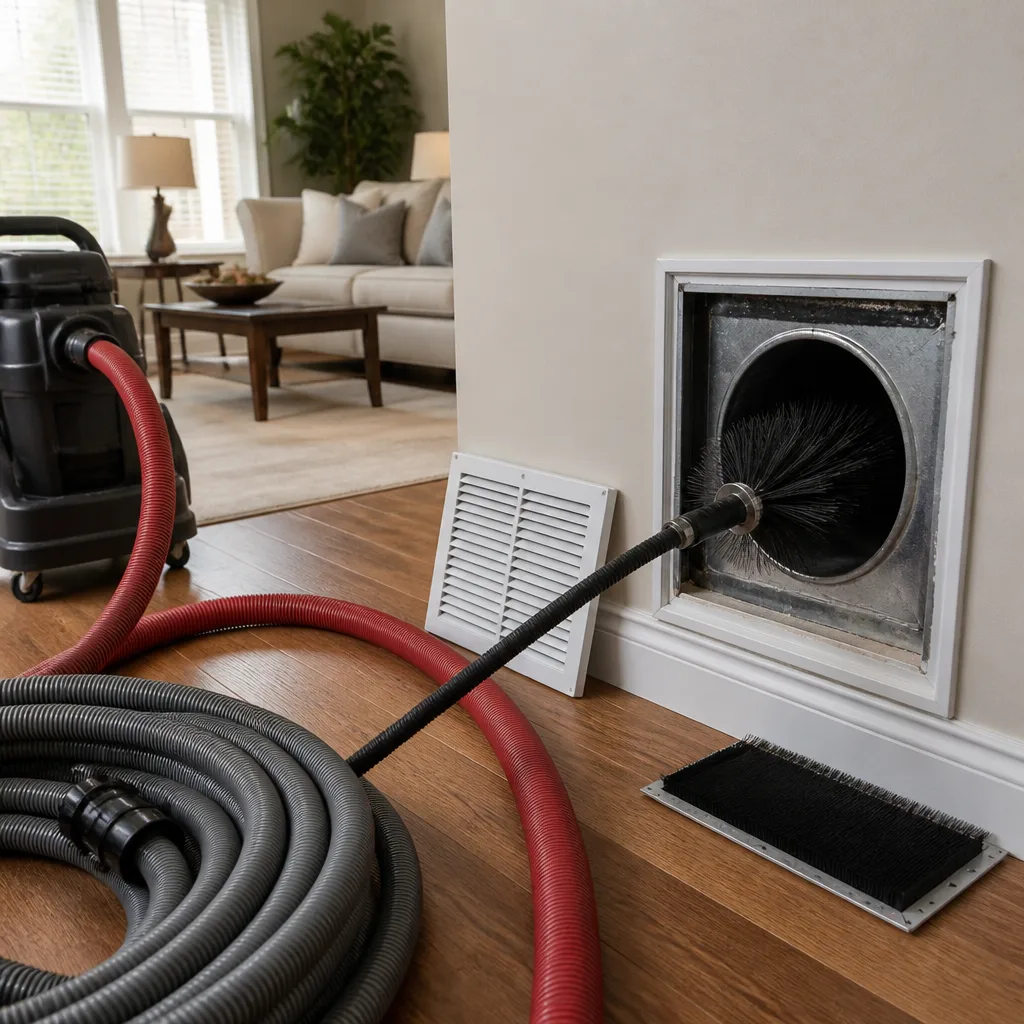
 Dryer vent cleaning
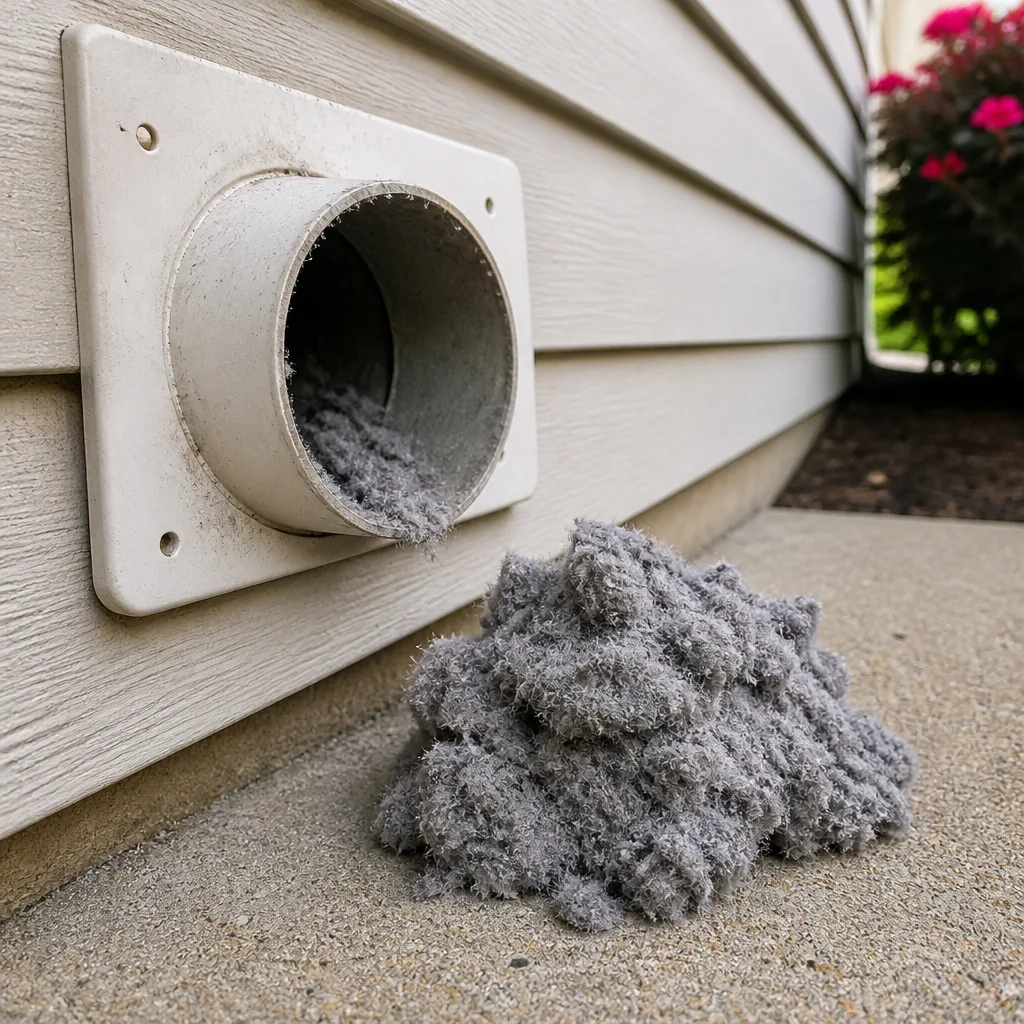
 Camera inspection
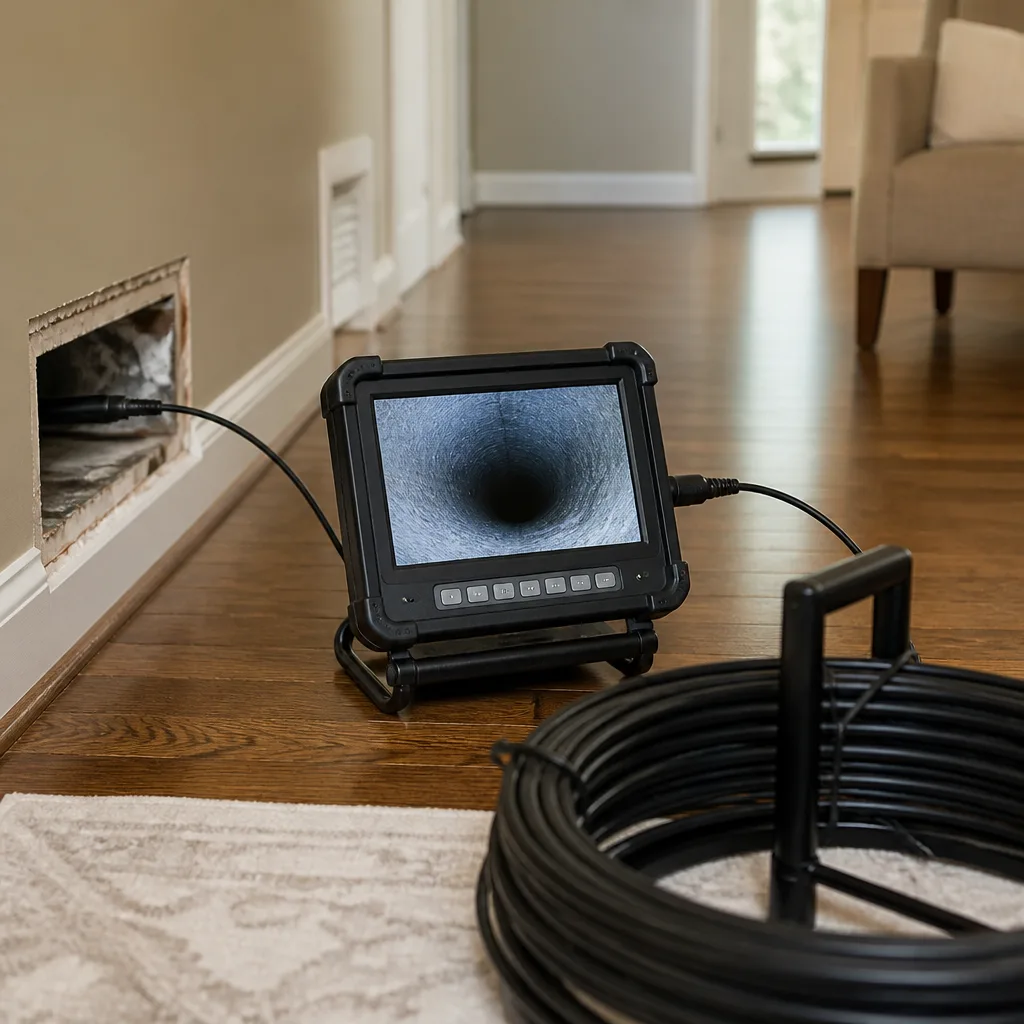
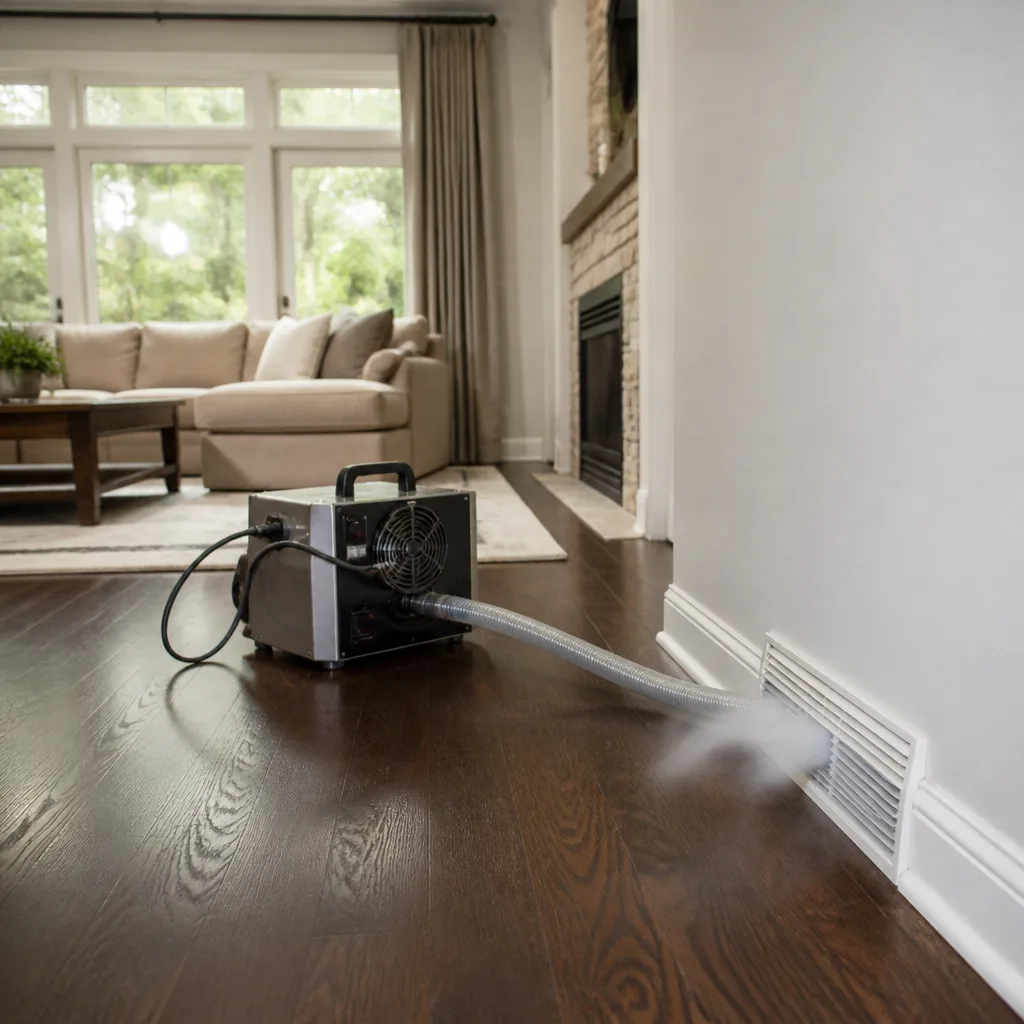 Sanitizing & deodorizing
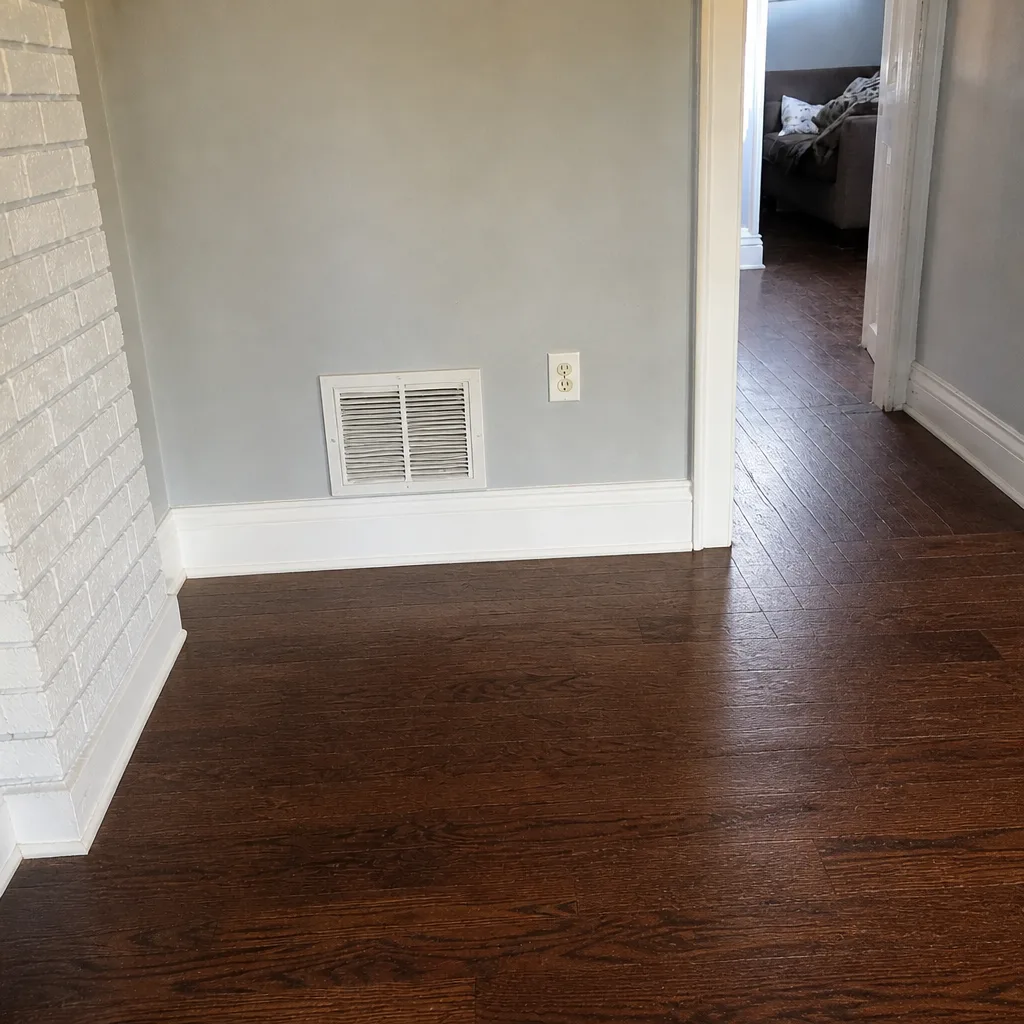
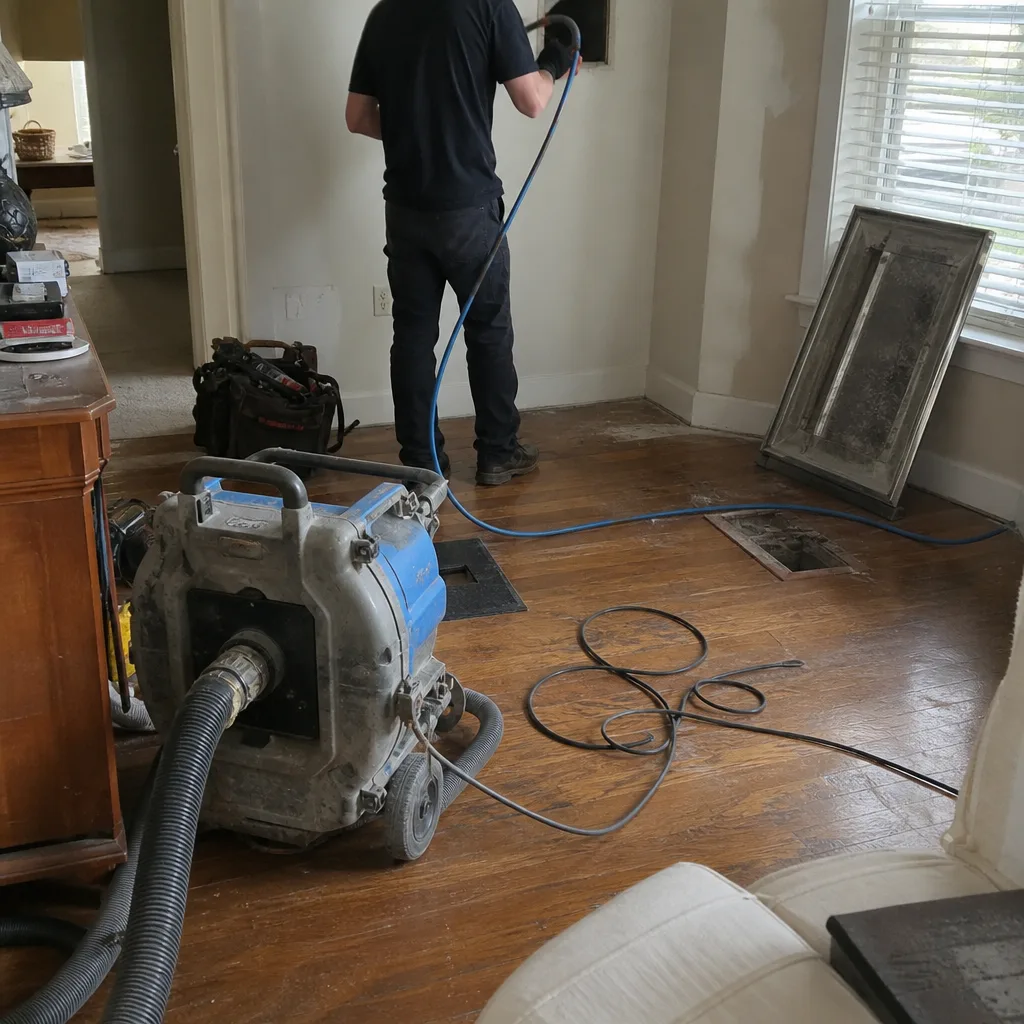
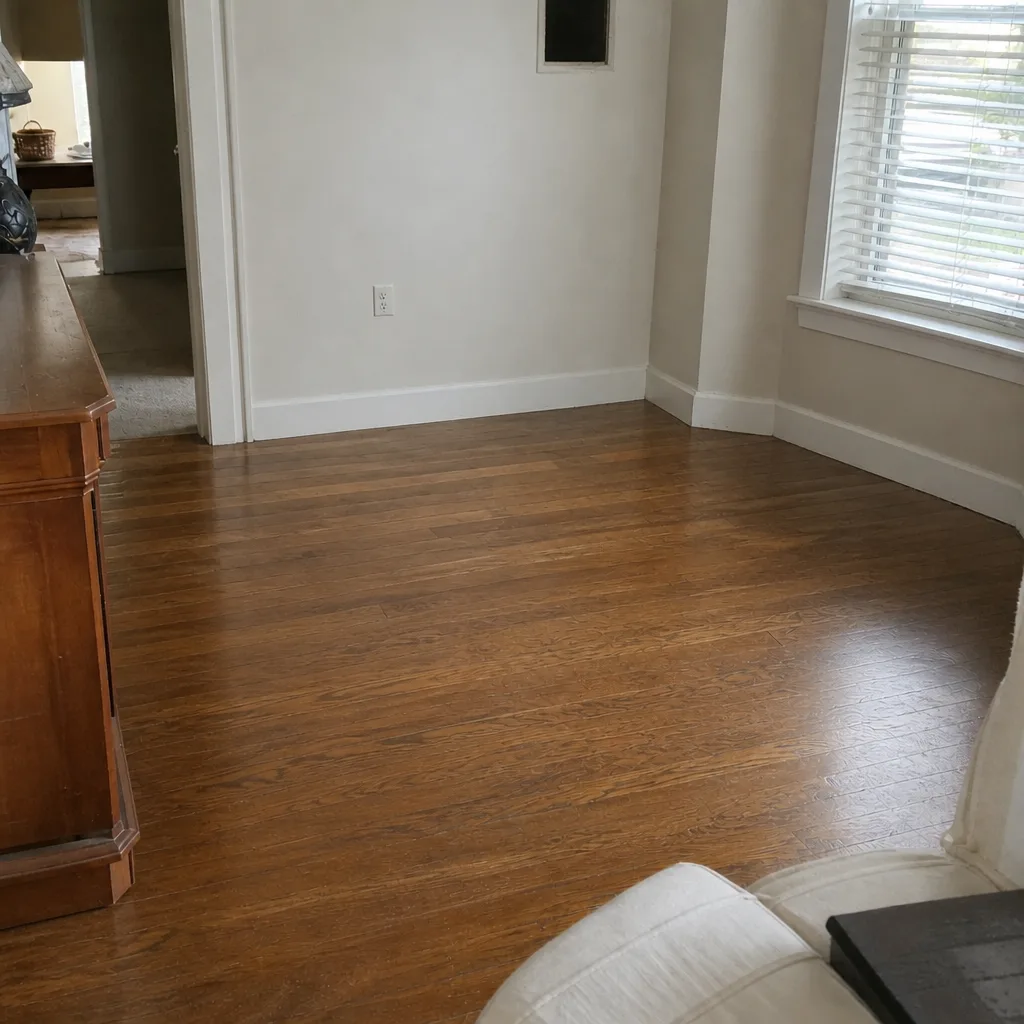
Whole-system duct and dryer vent check with before-and-after photos - you see exactly what came out of your vents
That "$99 whole-house special" is a bait ad - the real number appears once they are in your hallway, or the "clean" is a shop-vac at the register. We photograph the inside of your ducts before and after instead.
DIY vs Professional Air Duct Cleaning: The Plaza Midwood Homeowner’s Decision Guide
Here’s a fact most homeowners never hear: hooking a shop vac to a register and running a brush into the visible duct can leave your system dirtier than you found it. That’s not an exaggeration. Consumer vacuums lack the airflow and negative pressure to capture what a brush loosens, so the debris gets stirred into the airstream and settles in sections you can’t reach. In a neighborhood full of century-old bungalows and renovated foursquares, Plaza Midwood duct systems already hide plenty of settled dust. This guide draws a hard line: which tasks you can legitimately do yourself, which ones require contractor-grade equipment, and how to tell the difference before you make a costly mistake.
Quick Answer
DIY air duct cleaning is only genuinely effective for three things: cleaning the visible register and grille surfaces, maintaining your filters, and clearing your dryer vent with a proper rotary brush kit. Everything past the register face requires professional negative-pressure equipment to remove without redistributing contamination. For Plaza Midwood homes with original ductwork, renovation dust, or any suspected mold, a professional cleaning with equipment like Rotobrush and Abatement Technologies is the safer and often cheaper path once you account for tool rental, time, and the risk of making the problem worse.
Styles & brands we work with
- Whole-home duct cleaning
- Dryer vent cleaning
- Camera inspection
- Sanitizing & deodorizing
Table of Contents
- What DIY Can Legitimately Accomplish (and What It Can’t)
- The Pressure Problem: Why Consumer Vacuums Fall Short
- The Scenario Where DIY Makes Professional Cleaning More Expensive
- DIY vs Professional Cost Comparison for Plaza Midwood Homes
- The One DIY Task That Belongs First: Post-Renovation Register Cleanup
- Dryer Vent Cleaning: The DIY Task Worth Learning
- Why Clean Ducts Are Only Step One
- Common Mistakes to Avoid
- When to Call a Professional
- Frequently Asked Questions
What DIY Can Legitimately Accomplish (and What It Can’t)
Let’s be honest about the honest work. There are exactly two duct-related tasks we’d tell any Plaza Midwood homeowner to handle on their own, plus a third that’s just basic maintenance. Everything beyond that crosses into territory where the tools matter more than the effort.
What DIY genuinely handles:
- Register and grille cleaning. The removable face plates on your supply and return vents collect dust, pet hair, and cooking film. Pull them, wash them in warm soapy water, dry them fully, and reinstall. That’s real work with a visible result, and it takes about 15 minutes per vent.
- Dryer vent cleaning with a rotary brush kit. A flexible rotary brush kit runs about $30 to $60 and does legitimate fire-prevention work when used correctly. We’ll cover the method below.
- Filter maintenance. Changing a 1-inch filter every 30 to 90 days depending on pets and dust is the single highest-return air-quality habit a homeowner has. It’s not duct cleaning, but it’s the foundation everything else sits on.
What DIY cannot accomplish:
The interior of your supply trunk, the branch runs behind walls and ceilings, the return plenum above the air handler, and the blower compartment itself. These are the spaces where settled debris accumulates over years, and they’re the spaces a homeowner can’t reach let alone clean without contaminating the house. In Plaza Midwood’s older housing stock, where original sheet-metal runs often coexist with decades of patchwork renovations, the unseeable sections tend to be the dirtiest.
We’ve seen plenty of homeowners waste a weekend on a shop vac and a length of flexible hose, only to schedule air duct cleaning the following month anyway. The effort isn’t worthless, but it isn’t cleaning the system. It’s cleaning the doorway to the system.
The Pressure Problem: Why Consumer Vacuums Fall Short
This is the technical heart of the DIY question, and it’s where most guides wave their hands. Duct cleaning is a pressure problem before it’s a brushing problem. A vacuum’s job is to hold loosened debris in the airstream and move it out of the house, not just to pull air.
Consumer-grade wet/dry vacuums typically develop around 1 to 2 inches of water column of static pressure at the hose. Professional duct cleaning systems operate in the 4 to 8 inch water column range, and they’re paired with HEPA filtration and containment. That’s not a small gap. It’s the difference between a system that captures what a brush dislodges and one that simply agitates it.
Pressure differential matters because of how particle transport works. A rotary brush on a cable spins inside the duct and flicks settled dust into the air. If the vacuum can’t maintain enough negative pressure to keep that dust suspended and moving toward the collection point, the particles drop out wherever resistance is highest, which is usually a bend, a joint, or a branch run you can’t access. Now that dust is airborne long enough to coat interior surfaces, and it’s relocated from the supply side into the return side or back into living space.
The systems we work with take the opposite approach. Rotobrush rotary-brush extraction combines the brush with an airflow that captures as it agitates. Nikro HEPA-filtration equipment traps fine particulate that standard filters pass. Abatement Technologies negative-air machines hold the whole working area under containment so that dislodged debris has nowhere to go but the filter. The same equipment commercial and industrial contractors use is doing the work in a residential system, and the reason is pressure, not marketing.
What this means in plain terms
- A brush agitates debris. A vacuum controls it. You need both working together.
- Below roughly 3 inches of water column, loosened dust tends to settle in the duct rather than leave the house.
- Negative-air containment keeps the working area isolated so nothing escapes into living space.
- HEPA filtration at the collection end matters because fine particulate passes straight through ordinary filters.
If your only tool is a consumer vac and a brush, the honest advice is this: clean the register faces and leave the branch runs alone until you can get proper equipment in. An untouched duct isn’t a healthy duct, but it’s not a redistributed one either.
The Scenario Where DIY Makes Professional Cleaning More Expensive
There’s one situation where a DIY attempt doesn’t just fail. It creates a bigger problem and a larger bill. That’s disturbed mold inside duct liner.
Older duct systems in Plaza Midwood homes frequently run through unconditioned attics and crawlspaces, and some are lined with internal fiberglass insulation. When that liner gets damp, mold can colonize the porous surface. It sits there quietly. Then a homeowner runs a brush through it, the colony gets fragmented, and spores release into the airstream and land on fresh surfaces throughout the system.
What was a localized growth is now a distributed one, and remediation changes. Simple material removal may no longer be enough. Depending on what’s found, the work may require encapsulation of the liner surface, verified cleaning of every downstream run, and in some cases replacement of liner sections that can’t be saved. That’s a fundamentally larger job than capped extraction of a contained colony found before anyone touched it.
We’re not trying to scare anyone off a weekend project. The point is narrower. Mold in duct liner is a case where the correct first move is identification, not action. A professional inspection tells you whether the liner is colonized, whether it can be cleaned or must be encapsulated, and whether the growth is dry and dormant or active. Clean ducts are step one. Sealed, correctly treated ducts are the finish line, and you can only get to the finish line if the diagnosis happens before the remediation.
If you ever see dark staining on a register grille, smell an earthy odor when the system kicks on, or find a section of duct liner damp to the touch, stop and call. This is not a job for a shop vac.
DIY vs Professional Cost Comparison for Plaza Midwood Homes
Cost is where the DIY argument usually falls apart, because most comparisons leave out the biggest line item: your time, and the risk of doing it twice. Here’s an honest breakdown by home size and contamination level. Professional figures are typical ranges for the Plaza Midwood area, and the written estimate is what sets the final price.
DIY tool investment (one-time, reusable):
- Rotary dryer vent brush kit: $30 to $60
- Wet/dry vacuum (5 to 6 gallon): $60 to $120
- Flexible duct brush extension (consumer grade): $25 to $45
- Replacement filters, register brushes, cleaning supplies: $30 to $50
- Total typical outlay: $145 to $275, plus several hours per attempt
Professional service, typical Plaza Midwood ranges:
| Home size | Standard cleaning | Heavy contamination or post-renovation |
|---|---|---|
| Smaller bungalow, single system | $300 to $500 | $500 to $750 |
| Mid-size home, single system | $400 to $700 | $650 to $950 |
| Larger home, one or two systems | $600 to $1,000 | $900 to $1,400 |
The DIY outlay looks cheaper until you count the second attempt. A failed DIY job that pushes the professional cleaning into a heavier-contamination tier costs more than the professional job would have cost on its own. The tools you bought don’t get you the pressure, HEPA filtration, or containment. They get you the ability to clean surfaces, and you can do that with a $10 register brush and a bucket.
Add dryer vent cleaning to either side. A professional dryer vent cleaning typically falls in the $120 to $220 range in this area, and it’s included in most full-service quotes. DIY can genuinely handle that one, and we’ll show you how below.
The pressure-adjusted verdict
For a home with light dust, no mold, no recent renovation, and no complaints, DIY register cleaning plus filter maintenance is a reasonable annual habit. For anything else, professional cleaning is the cheaper path once you value the time honestly. One flat price per system agreed before work starts, before-and-after photos of your own ducts, and a satisfaction guarantee mean you know exactly what you’re paying for and what you got.
The One DIY Task That Belongs First: Post-Renovation Register Cleanup
If you’ve just finished a renovation, the right first move is a small DIY task before any professional arrives. Grab a vacuum and a step ladder, and clean the visible register faces and grilles in every affected room. Do it before the professional cleaning, not after. It keeps construction dust from re-contaminating the system during the hour or two before the truck arrives, and it takes maybe 20 minutes.
Here’s how to do it without making things worse:
- Turn off the HVAC system at the thermostat and wait for the blower to stop. Air movement is what distributes dust, and you want the system still.
- Remove each register cover and grille with a screwdriver and set it aside in a bathtub or sink.
- Use a vacuum with a brush attachment to lift dust from the register frame and the immediate duct opening. Do not push the brush deeper than a few inches into the branch run.
- Wash the covers in warm soapy water, rinse, and dry them fully before reinstallation. Damp covers grow problems.
- Photograph the inside of each opening before reinstalling. Those pictures help the professional understand what’s in the system and where.
- Reinstall the covers but leave the system off until a professional has cleaned the runs and the blower compartment.
What you should not do is run a flexible brush down each branch run with a shop vac at the other end. Renovation dust includes drywall particulate, joint compound, and fine silica, and those materials are exactly what a low-pressure vacuum fails to capture. Disturbing them into the airstream during a renovation is a bad trade. Clean the faces, protect the room, and let the contractor-grade equipment handle the plumbing of the system.
Post-construction cleanouts in Plaza Midwood are one of our most common jobs for exactly this reason. Older homes here get remodeled constantly, and every remodel sheds dust into the return side.
Dryer Vent Cleaning: The DIY Task Worth Learning
Dryer vent cleaning is the one duct task in a home that a careful homeowner can do well, and it’s worth learning because it’s a documented fire-prevention measure rather than an optional upgrade. A clogged dryer vent traps heat. That’s the mechanism you’re protecting against.
What you need: a rotary brush kit with flexible rods, a vacuum with a crevice tool, and access to the outdoor termination. What you’re checking: airflow at the outdoor hood, lint accumulation along the duct run, and any visible damage or crushing. If the duct run is long, has multiple 90-degree elbows, or terminates through a roof, the DIY method becomes difficult fast, and that’s the point at which to call.
- Unplug the dryer or shut off the gas supply, then pull the dryer far enough out to access the rear connection.
- Disconnect the vent duct at the dryer and inspect the first few feet for lint buildup. This is where most blockages start.
- Feed the rotary brush rod through the duct from the dryer end toward the outside, running the brush at low speed on a drill. Do not force it through a tight bend.
- Vacuum the lint loosened at both ends. Never leave a pile of lint in the duct or on the laundry room floor.
- Reconnect, verify strong airflow at the outdoor termination, and confirm the flapper moves freely.
If it’s been more than a year, or you can’t remember the last time it was done, professional dryer vent cleaning is worth the modest cost. We include it in the same visit as duct work when homeowners want both done together, and it’s genuinely not an upsell in our service line. It’s part of the job.
Why Clean Ducts Are Only Step One
Cleaning removes what’s in the system. It does nothing about what’s escaping the system. Most homes have measurable leakage at joints, branch connections, and the plenum, and in Plaza Midwood’s older housing stock, that leakage is often significant. Dusty attic air enters through gaps in the return side, and conditioned air leaks out before it reaches a register.
That’s why we treat duct repair and sealing as the logical conclusion of every cleaning job rather than a separate upsell. If a professional cleans the ducts and leaves the joints open, the system refills with attic dust in a season or two, and the homeowner is back where they started. Sealing closes the leaks found during cleaning, often the same visit. The effect on air quality is direct. The effect on HVAC efficiency is a secondary benefit that shows up on the next utility bill.
This is also where the professional equipment earns its keep twice. A thorough HVAC cleaning includes the air handler, the blower, and the evaporator coil, all of which are components a homeowner can’t safely access. See what’s actually in the system, seal what’s leaking, and the cleaning holds.
What a full-scope visit typically covers
- Rotary-brush extraction with HEPA containment on every accessible run
- Air handler, blower, and coil cleaning
- Sanitizing where contamination is present
- Leak detection at joints, plenum, and branch connections
- Duct sealing of identified leaks
- Dryer vent cleaning when requested on the same visit
Our technicians have up to 14 years of experience with this full scope, and we’ve seen enough Plaza Midwood systems to know that the cleaning and the sealing belong in the same conversation. Honeywell and Aprilaire filtration and humidity products can extend the work into long-term air quality if the homeowner wants that, but the foundation is clean ducts and sealed ducts. Everything else builds on those two.
Common Mistakes to Avoid
- Running a brush without containment. The single most common DIY error is agitating settled debris with a brush and a low-pressure vacuum. The debris relocates rather than leaves, and you’ve made the system measurably dirtier.
- Using a shop vac as if it were duct cleaning equipment. A wet/dry vac at 1 to 2 inches of water column can’t capture what a brush dislodges. It can clean surfaces; it can’t clean the system.
- Ignoring the return side. Homeowners focus on supply registers because they’re visible, but the return side carries more dust and is more likely to leak in older Plaza Midwood homes. If the returns aren’t cleaned, the supply side is only half done.
- Cleaning registers immediately after a renovation and calling it done. Post-renovation dust lives in the branch runs. Register cleaning is a first step, not a finished job.
- Skipping the filters and blaming the ducts. A clogged filter stresses the blower and reduces airflow, and the symptom looks like dirty ducts. Change the filter before scheduling anything.
- Choosing a quote on price alone. A very low quote is usually low because it’s missing containment or filtration. Ask what equipment is used, whether the work is HEPA-contained, and whether you get before-and-after photos of your own system.
- Sealing one section and leaving the rest. Sealing only the visible plenum while leaving branch joints open wastes most of the effort. The full system needs attention.
When to Call a Professional
Call a professional when you see visible mold growth inside a duct, when the system smells earthy or musty on startup, when you’ve just finished a renovation and want a full cleanout, when anyone in the home has asthma or allergies that worsen indoors, when the system is older than the home’s last major HVAC upgrade and hasn’t been cleaned, or when you’re a new buyer moving into an older Plaza Midwood home and want to know what you inherited. Also call if your dryer vent hasn’t been cleaned in more than a year and runs longer than a short straight path. Call (877) 492-2597 for a free estimate. We answer 24/7. Fast dispatch from 7am to 7pm, Sunday through Friday.
Air Duct Cleaning Plaza Midwood offers free estimates in Plaza Midwood. We’ll look at the whole system, tell you what’s actually in it, and give you one flat price per system before any work starts.
The workflow starts with Air Duct Cleaning Plaza Midwood as the entry point for the full service scope, and from there the work stays in one company. From the first intake to the last vent, one company handles the whole system.
Frequently Asked Questions
DIY air duct cleaning saves about $145 to $275 in tool costs, but it doesn’t clean the branch runs, plenum, or air handler, which is where most contamination sits. For a small bungalow with light dust and no mold, DIY register cleaning plus filter maintenance can be a reasonable annual habit. For anything more, the professional range of $300 to $700 typically replaces a failed DIY attempt rather than supplementing one, so the DIY savings disappear. Call (877) 492-2597 for an exact quote. Estimates are free.
No. A shop vac can clean the register faces and the immediate duct opening, but it cannot clean the branch runs because it lacks the airflow and negative pressure required. Consumer wet/dry vacuums develop around 1 to 2 inches of water column of static pressure while professional systems operate in the 4 to 8 inch range with HEPA containment. At the lower pressure, loosened debris settles in the ducts rather than leaving the system. For register surfaces, a shop vac is fine. For the system, it isn’t.
Stop and call a professional. Mold in duct liner requires identification before any removal, because brushing a colony without containment distributes spores through the system and may turn a localized growth into a repair that needs encapsulation of the liner surface. This is the one scenario where a DIY attempt can be more expensive than doing nothing, because remediation scope changes after the disturbance. Call (877) 492-2597 for an inspection. Estimates are free.
Most Plaza Midwood homes need air duct cleaning every three to five years, sooner if there’s a renovation, pets, a smoker in the home, or visible dust buildup on register grilles. Old housing stock with original ductwork runs toward the sooner end because older joints leak and pull attic dust in. Homes with a newer system and a good filter routine can go longer. Call (877) 492-2597 if you’re unsure where your system falls. Estimates are free.
Ask for before-and-after photos of your own system, taken from the same angles so the comparison is real. Professional equipment like Rotobrush and Nikro systems is HEPA-contained and leaves visible evidence: removed debris in the collection, before-and-after documentation, and cleaner register faces. If a crew can’t show you photos of your specific ducts, you can’t tell whether the work happened. Call (877) 492-2597 and ask what documentation you’ll receive. Estimates are free.
Cheap quotes are usually cheap because they skip containment, HEPA filtration, or the air handler cleaning entirely. A technician with a shop vac and a rotary brush can charge very little because the job takes very little skill and equipment, but it also doesn’t remove what’s actually in the system. Ask what equipment is used, whether negative air containment is part of the visit, and whether the work includes the plenum and air handler. A written estimate with a full scope is worth more than a low number with an unclear one. Call (877) 492-2597 for a scope-first quote. Estimates are free.
The Bottom Line
There are two legitimate DIY duct tasks: register and grille cleaning, and dryer vent cleaning with a proper rotary brush kit, plus the filter maintenance that underpins both. Everything beyond the register face requires contractor-grade equipment because the mechanics of the job are a pressure problem, not a brushing problem. A consumer vacuum at 1 to 2 inches of water column moves air but doesn’t hold the debris a brush loosens, and disturbed mold in duct liner can turn a $300 job into a larger remediation. Clean ducts are step one; sealed ducts are the finish line. Call (877) 492-2597 to schedule a free estimate in Plaza Midwood. We answer 24/7. Fast dispatch from 7am to 7pm, Sunday through Friday.
Written by the team at Air Duct Cleaning Plaza Midwood.
See the difference
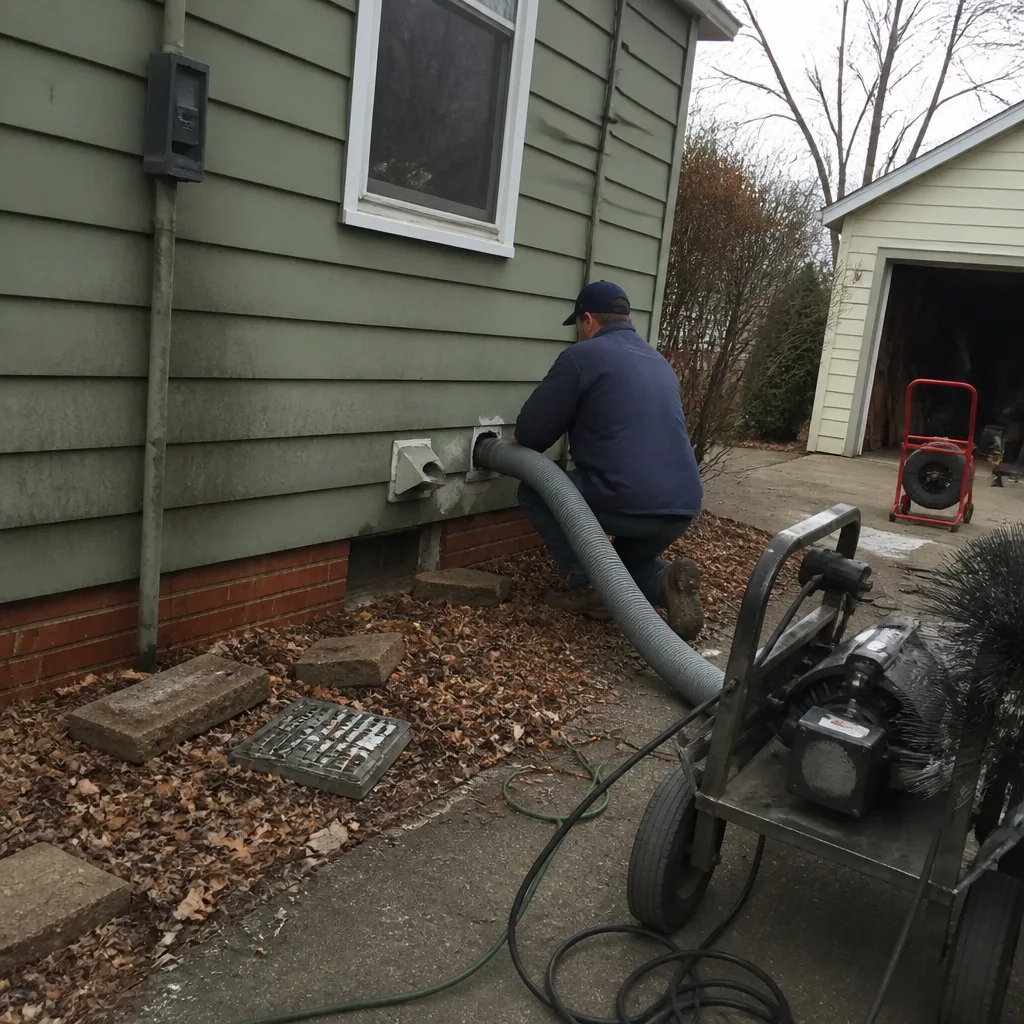 Before
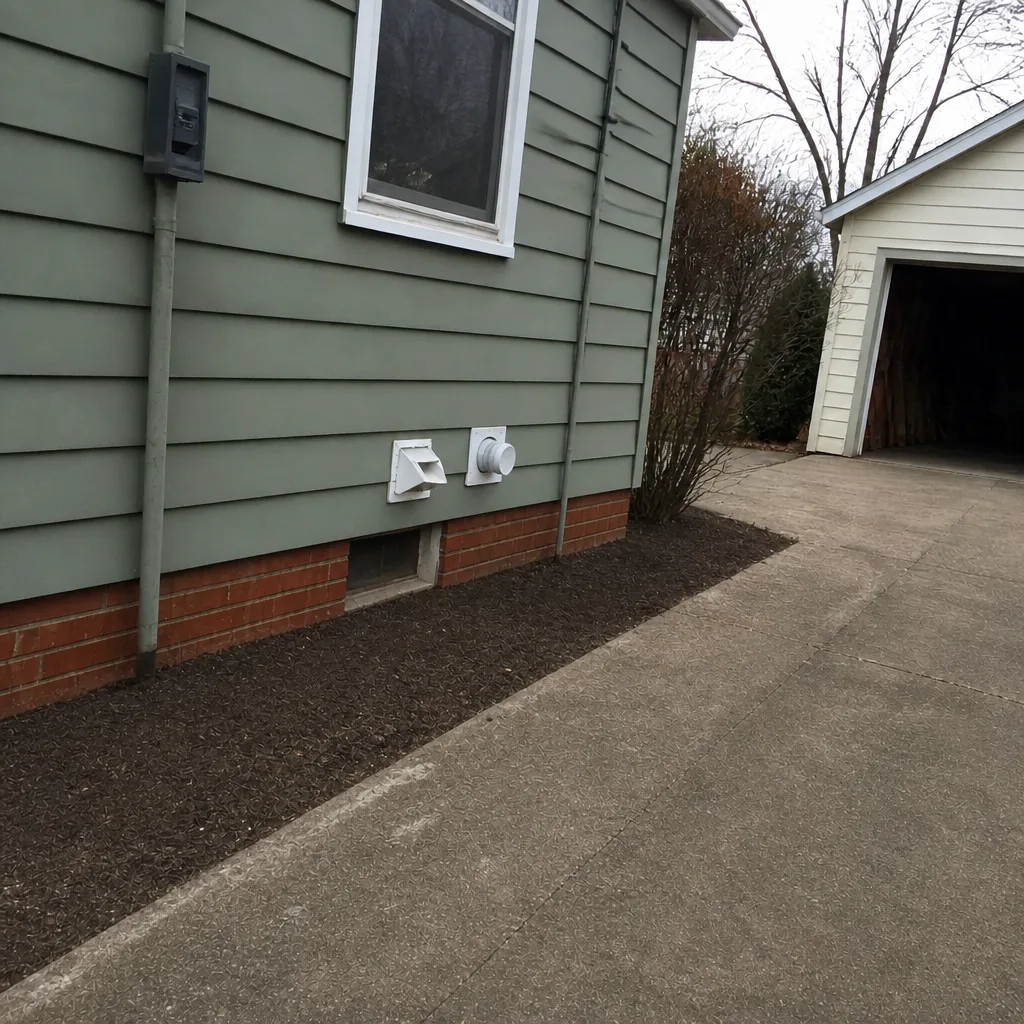 After
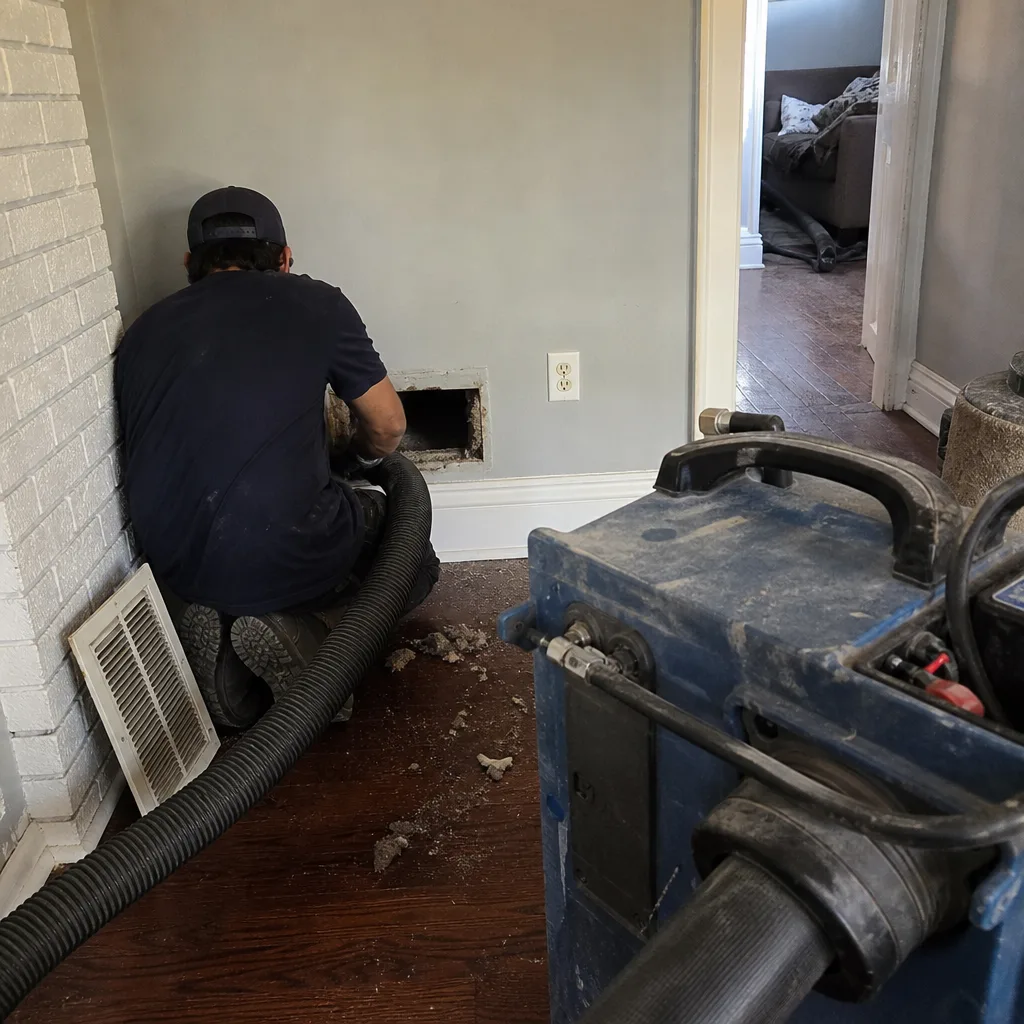 Before
 After
 Before
 After