
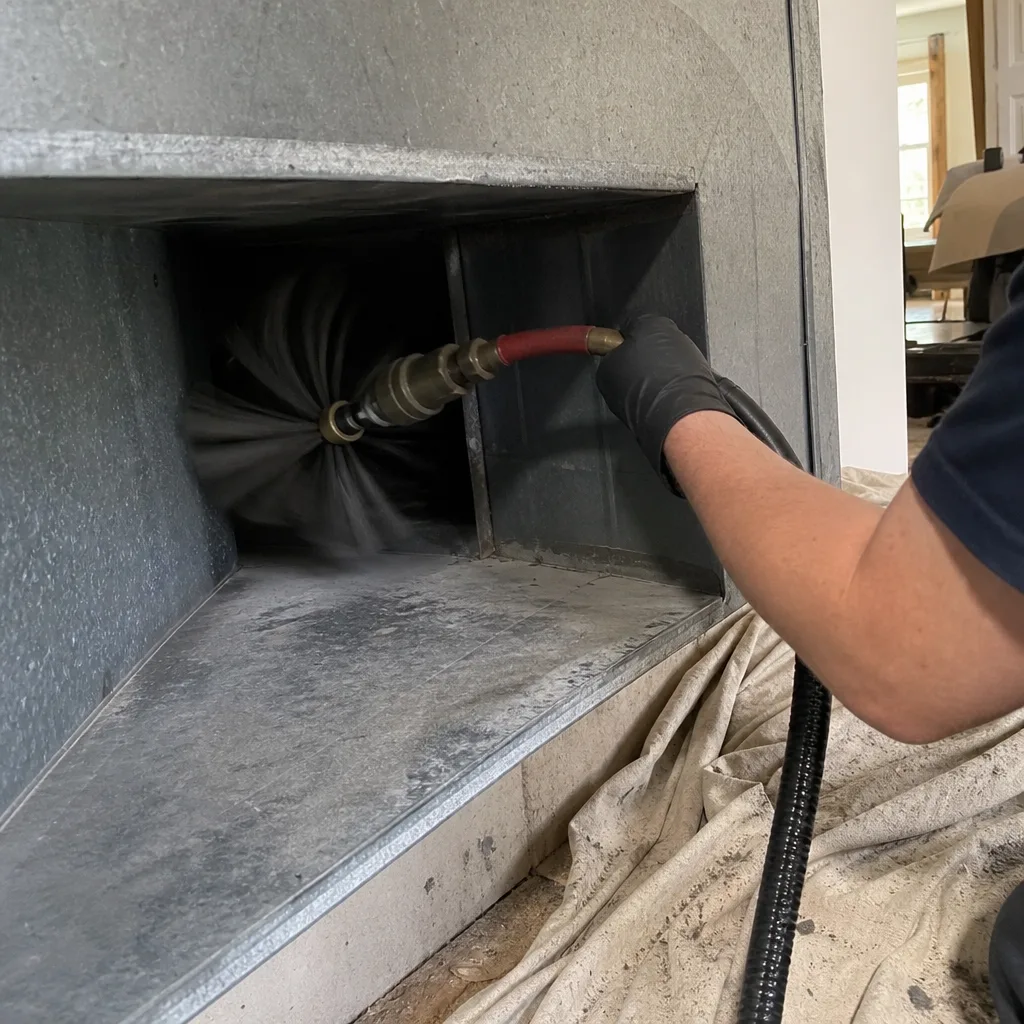
Last updated November 23, 2026
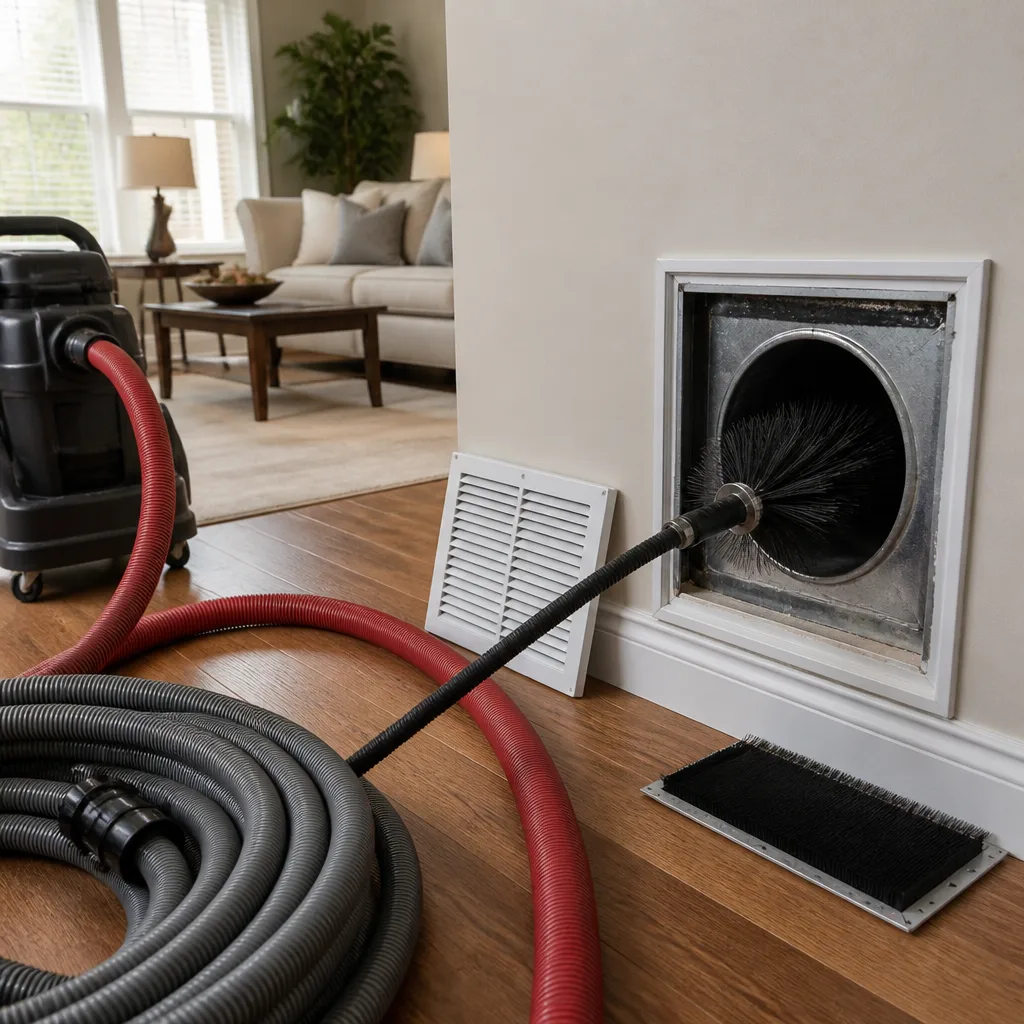 Whole-home duct cleaning
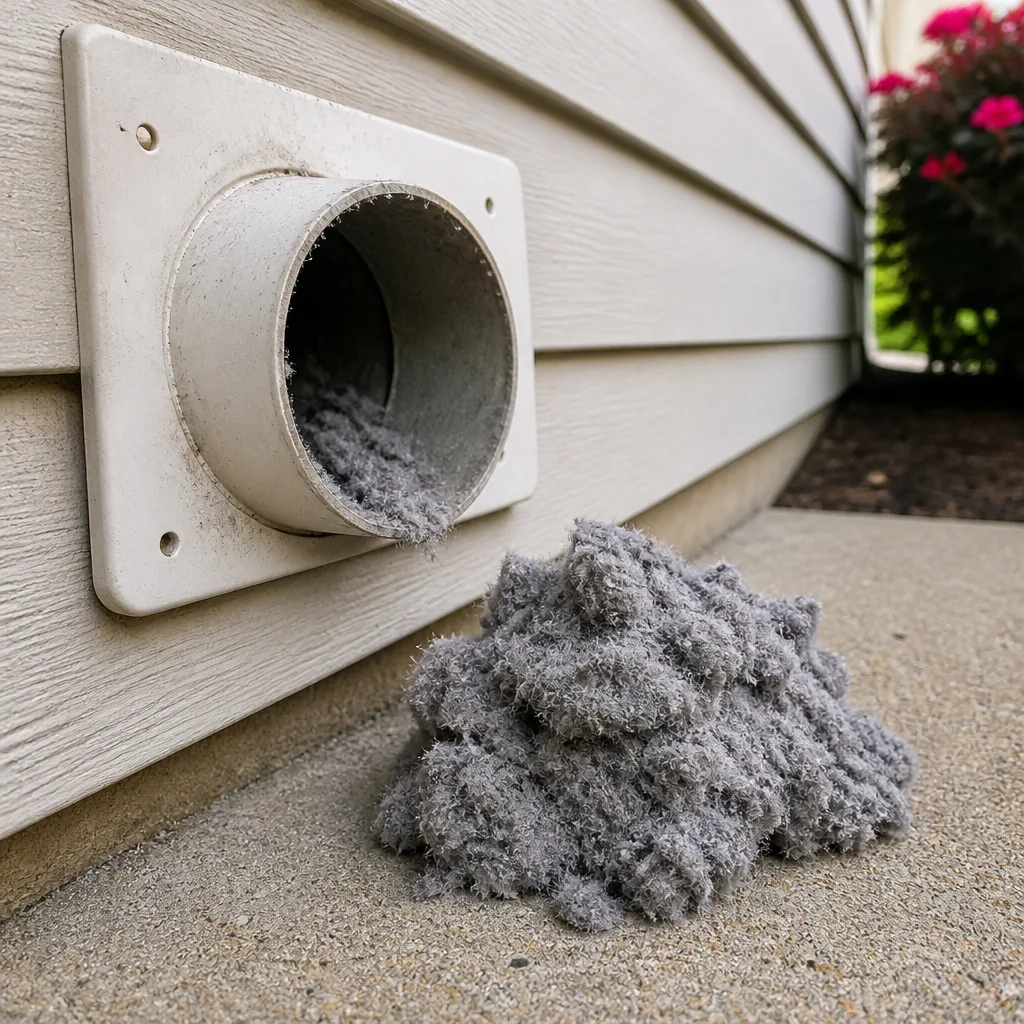 Dryer vent cleaning
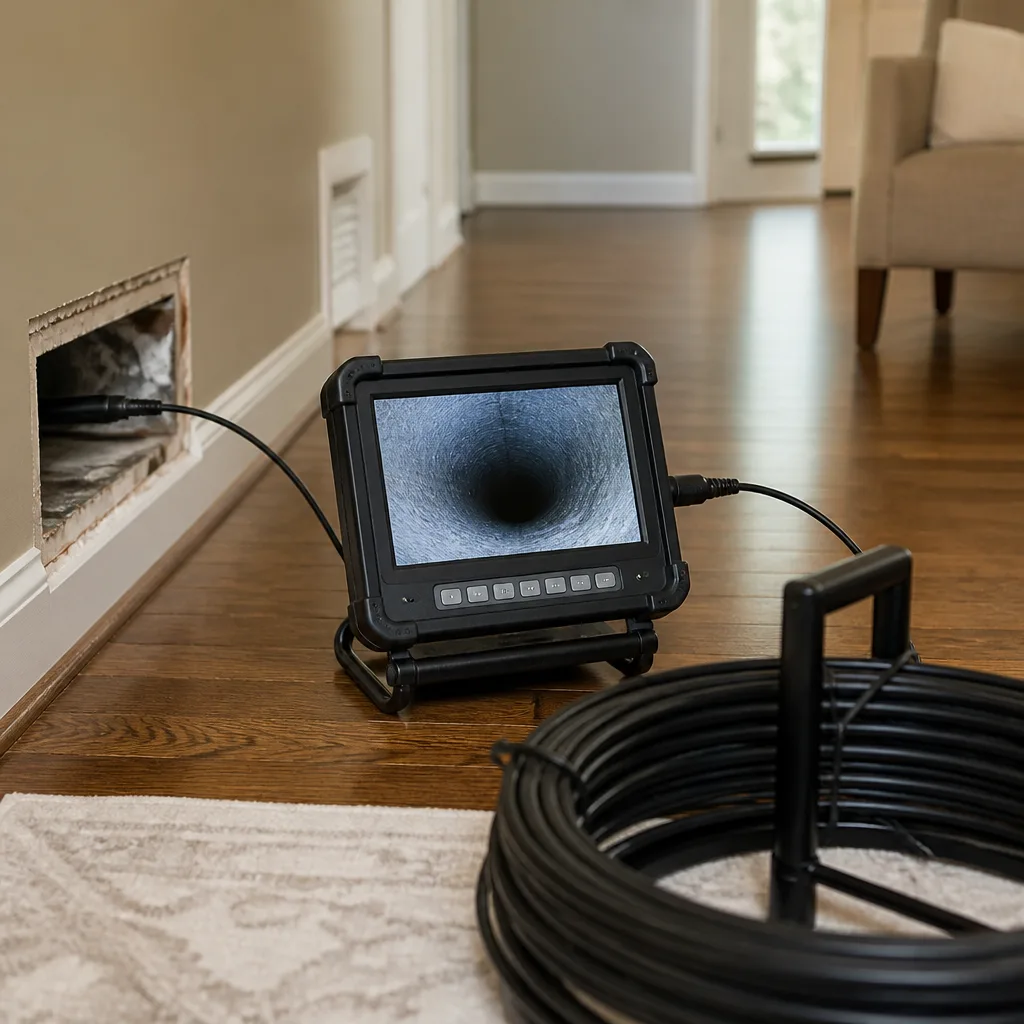 Camera inspection
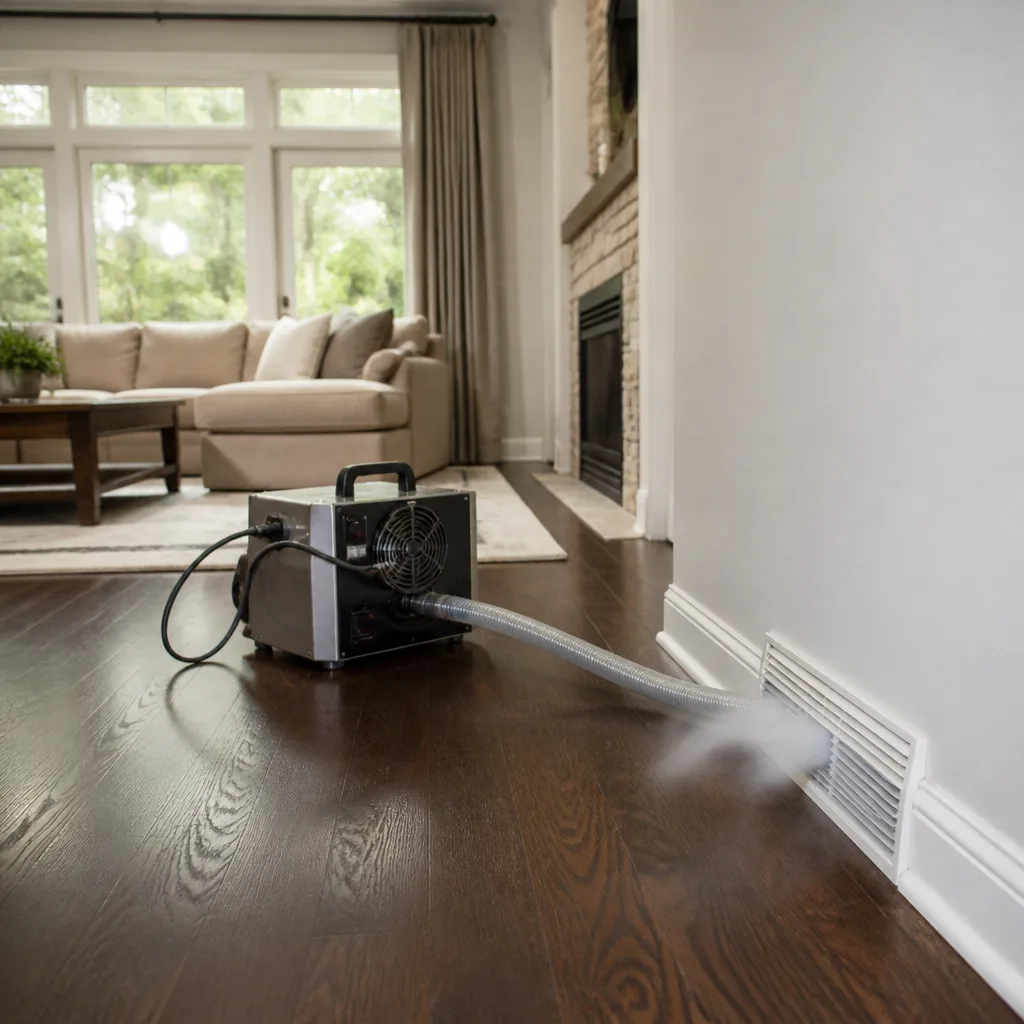 Sanitizing & deodorizing
Whole-system duct and dryer vent check with before-and-after photos - you see exactly what came out of your vents
That "$99 whole-house special" is a bait ad - the real number appears once they are in your hallway, or the "clean" is a shop-vac at the register. We photograph the inside of your ducts before and after instead.
Choosing the Right Air Duct Cleaning Brand: A Buyer’s Guide for Plaza Midwood
Most homeowners pick a duct cleaner the way they pick a pizza place: whoever answers first and quotes the lowest number. That instinct backfires in this trade more than almost any other, because a low price and a real duct cleaning aren’t the same product. A crew that shows up with a shop vac and a promise can charge very little and still leave your system exactly as dusty as it was. A crew that shows up with contractor-grade extraction systems is running different equipment, which means you’re buying two different jobs. This guide shows you how to tell them apart before you hire in Plaza Midwood.
Quick Answer
Choose a duct cleaning company by the equipment it actually owns and operates – specifically professional systems like Rotobrush, Nikro, and Abatement Technologies – rather than by a low quote or a slick website. That hardware is the single most reliable signal of quality because it costs real money and demands trained operators. A company that can also repair and seal ducts afterward is offering a complete service model, not just a one-time brush-through.
Styles & brands we work with
- Whole-home duct cleaning
- Dryer vent cleaning
- Camera inspection
- Sanitizing & deodorizing
Table of Contents
- Why the Equipment Brand Tells You the Most
- What Rotobrush Does That a Shop Vac Can’t
- Nikro and Negative Pressure: The Source-Removal Standard
- When You Actually Need HEPA Containment
- How to Verify a Crew’s Equipment Claims
- Why Duct Repair and Sealing Changes Everything
- Questions to Ask Before You Book
- Common Mistakes to Avoid
Why the Equipment Brand Tells You the Most
A duct cleaning company’s equipment is a confession. It tells you who the operator expected to compete against when they opened their doors. Consumer vacuums and cable brushes put someone into business for a few hundred dollars. Rotobrush rotary-brush extraction systems, Nikro negative-air machines, and Abatement Technologies containment equipment put them into business for many thousands more, and that spend changes who they’re able to take on.
This isn’t about prestige. It’s about what the machine mechanically does. A cable brush loosens dust without capturing all of it, so some of what you disturbed settles back into the run or drifts into the room. A professional extraction system agitates the surface and vacuums at the same time, so the debris leaves the duct instead of rearranging itself inside it. Same square footage, same AC register, completely different result.
Plaza Midwood homes make this distinction matter more than it might in newer construction. Many of the bungalows and cottages here are 1940s to 1960s builds with retrofit ductwork, bends that don’t run straight, and registers added decades after the house went up. Tight turns and short runs punish a lazy machine. They reward contact-based extraction and real pressure differentials.
- Can they name the systems? A real operator knows the models and what each does.
- Do the systems appear on the quote? Equipment should show up in writing.
- Can they describe the process? Vague answers mean a vague machine.
- Is containment part of the plan? If dust has nowhere to be captured, it goes into your air.
- Do they offer sealing after cleaning? A cleaning-only model is only half the work.
When you see the name brands on a written estimate, you’re looking at a company built for the work rather than one that happened to answer the phone.
What Rotobrush Does That a Shop Vac Can’t
Rotobrush rotary-brush extraction systems clean by contact. A flexible rotary brush, matched to the inside of the duct, spins while a simultaneous high-powered vacuum collects what the brush lifts off the walls. The brush reaches the full circumference of the run as it travels, and because the vacuum is running at the same moment, the debris is captured instead of just being dislodged.
How the physics line up
Duct dirt isn’t loose. It’s bonded to the wall of the run by condensation, cooking vapor, and static, which is exactly why a straight vacuum with no agitation does so little. Rotary agitation breaks that bond. Vacuum capture at the brush head takes the debris out. A shop vac may have decent suction at the nozzle, but without contact agitation it mostly moves air over the surface. It thins the dust; it doesn’t remove the film.
Picture a pan you cooked tomato sauce in and let dry. Rinsing it doesn’t clean it. Running a cloth over it while the water flows does. Rotobrush works on the same principle. That’s the difference between duct cleaning and a duct once-over, and in a Plaza Midwood house with a long return run and multiple small branch lines, it’s the difference between a system that keeps up with pollen season and one that keeps recirculating it.
Why the size of the machine matters to a smaller system
This is a smaller duct system than you’d find in a newer subdivision. Fewer runs, shorter branches, and more bends. Contact-based extraction handles the tight elbows better than a long cable brush and a shop vac ever can, because the rotating head flexes into the turn while the vacuum keeps pulling. That’s the whole reason the trade standard is what it is.
Clean ducts are step one; sealed ducts are the finish line. We bring the same systems commercial contractors use into your home, and part of why is that this house style doesn’t have a lot of slack to waste on a half-done job.
Nikro and Negative Pressure: The Source-Removal Standard
Nikro Industries negative-pressure systems are how a cleaning job pulls debris out at the source instead of pushing it toward your living room. A large HEPA-filtered vacuum connects to the main trunk or a dedicated access port, the machine puts the duct system under negative pressure, and every register in the house draws air in. Open a vent in any room and you feel the draft heading in, not out. That’s when you know the capture is real.
Why the method works
Source removal means the debris being agitated in the run is under continuous vacuum draw toward a single collection point. The line stays in negative pressure and air comes in toward it, which is why dust doesn’t escape into the room every time a register is opened. Cable-brush-and-shop-vac teams can clean a run without controlling the pressure, and the homeowner never sees the dust that drifts out. It just isn’t there. Until it is.
What CFM means for a house
CFM is cubic feet per minute, the rate at which the machine moves air. Bigger systems need more of it to hold the whole duct run in negative pressure, because the machine has to keep up with the air entering through every open branch. A smaller run in a Plaza Midwood bungalow asks less of the machine, but the machine still has to be sized correctly or the draw falls off at the far end of the house. A contractor who knows the machine asks about the square footage, the number of runs, and where the return is before choosing which unit to bring.
Nikro HEPA-filtration equipment meets NADCA-aligned standards for professional cleaning. That means it captures fine particles, not just visible debris, and it does so under pressure instead of by hope. Negative pressure is the standard method for a reason. It’s the only way to guarantee the debris is leaving the system rather than being re-suspended.
When You Actually Need HEPA Containment
Abatement Technologies negative-air machines go further than standard extraction. They create true containment during and after the process, sealing off the work area and filtering the exhaust through HEPA stages so contaminants are captured rather than redistributed. They’re the standard for jobs where what’s inside the ducts is more than house dust.
When this class of equipment is required
- After a fire – smoke residue is fine and travels deep into the system.
- After mold remediation – spores need to be contained at the source, not stirred up.
- After a rodent infestation – droppings and nesting material carry real health hazards.
- After renovation or construction – fine drywall dust and silica are the worst offenders because they settle everywhere.
- In homes with immune-compromised occupants – a household where the stakes are higher than a seasonal sniffle.
When standard contractor equipment is sufficient
Routine maintenance cleaning in a house that hasn’t had a fire, mold event, or pest problem doesn’t need full containment. Professional extraction with HEPA filtration does the job. The key is knowing which case you’re in before the truck shows up.
Here’s the practical difference. A company that owns both classes of machine can size the job correctly. A company that owns neither has no choice. In Plaza Midwood, where plenty of homes have gone through a gut renovation in the last decade and plenty more sit under older live oaks with the pollen that comes with them, this isn’t a hypothetical question. It comes up. Ask what they’d bring for a post-construction cleanout. A real answer tells you whether they’ve done the work.
How to Verify a Crew’s Equipment Claims
The trade has a name-dropping problem. Plenty of companies print “Rotobrush” and “HEPA” on a website without owning either. Separation is straightforward if you know what to ask for.
- Ask what equipment will be used on your home and why. A real operator describes the machine and the reasoning behind it. A name-dropper repeats the brand.
- Ask to see a photo of the equipment. A legitimate company will show you their unit. A generic internet photo isn’t the same thing.
- Check whether they offer equipment serials or certification references. Serial number, manufacturer training record, or a photo of the machine at work on the day. Any of these closes the question.
- Look up the manufacturers directly. Rotobrush and Nikro both publish dealer and equipment-listings that you can check.
- Ask what happens if the machine can’t reach a run. A real operator has an answer. A shop vac operator has a shrug.
The tell on a phone call is simple. A knowledgeable operator talks about what the machine mechanically does and how the job is set up. A name-dropper talks about being the best and about being affordable. In our experience, the call ends within a minute in one direction or the other.
Signs the equipment claim is genuine
- They mention specific systems and explain how they pair.
- They ask about the house, the number of vents, and the return before quoting.
- They describe containment and why it matters.
- They offer to show photos of before and after, from your own ducts and not a stock gallery.
- They talk about repair and sealing as a normal follow-up.
Why Duct Repair and Sealing Changes Everything
Cleaning without sealing is half a solution. Any duct system in a house of a certain age leaks, and once you’ve removed the dust, leaks are the next thing that shows up. Post-cleaning, a technician who knows what to look for finds disconnected runs, failed mastic joints, unsealed plenum penetrations, and flex duct that’s collapsed or pinched at a bend. Those leaks pull attic or crawlspace air into the system and into your living room.
What repair work actually involves
- Mastic application – brushing on a sealant coat at the joints, the workhorse of duct sealing.
- Air sealing – targeted sealing at every gap the technician can reach, so the system holds pressure.
- Flex duct replacement – swapping out sagging or torn sections so the run has the shape it’s supposed to have.
- Connection and boot repair – snugging up the joint at the register or the trunk where the duct has pulled loose.
Doing this on the same visit matters because cleaning reveals exactly where the system is losing air. A crew that cleans and then refers you out has given you a to-do list instead of a solved problem. A crew that cleans and repairs has solved it. In a Plaza Midwood house where the original build discipline and the retrofit additions have drifted apart, that follow-through is worth as much as the cleaning itself.
How to tell genuine breadth from a sales add-on
Ask what sealing method they use and why. Ask how they test for leaks. Ask what happens if a run can’t be reached. A company offering real repair has answers. A company running a sales script has a price sheet. Breadth is real when the follow-up work is the logical result of the cleaning rather than a bolt-on at the end of the invoice.
Questions to Ask Before You Book
Every question below tells you something specific. Ask them before the truck rolls, not after.
- “What equipment will you use, and can you show me?” The base question. The answer reveals everything else.
- “How do you keep the dust in the duct during cleaning?” If they don’t talk about negative pressure, move on.
- “Do you clean the air handler and coil too?” Cleaning ductwork without looking at the HVAC cabinet is a partial job. That’s what HVAC cleaning covers.
- “Do you offer sealing or repair afterward?” The answer tells you whether they’re a duct system specialist or a brush-and-vac operator.
- “Can you clean the whole system, or per-vent?” Per-vent pricing is a hallmark of a low-effort model. A real job is priced per system.
- “Do you use brand-name air-quality products for filtration?” Honeywell and Aprilaire filtration is a real, name-brand path, not a generic add-on.
- “Have you worked on homes from the 1940s to 1960s in Plaza Midwood?” The style of the house determines the setup.
- “Can you show photos from your own work?” Before and after, from the job, not a stock gallery.
The whole list takes five minutes on the phone. A company that answers every one stays on the list. A company that dodges the first two tells you what you need to know.
Common Mistakes to Avoid
- Choosing on the lowest quote alone. A low quote and a shop vac tend to travel together. It’s the equipment, not the price, that determines whether the job gets done.
- Accepting a per-vent price. Per-vent pricing rewards opening registers rather than cleaning runs. Ask for a per-system quote and a written estimate instead.
- Skipping the equipment question. “HEPA” and “professional” are printed on a lot of websites. Ask what machine is coming and what it does.
- Not asking about the return and the air handler. Cleaning the supply runs but not the HVAC cabinet, coil, and return leaves the biggest dust source in the house untouched.
- Skipping the sealing conversation. A cleaning without a leak check ignores the reason the ducts got dirty in the first place.
- Assuming a company name is a credential. A company can be local and still be running consumer equipment. Local is a starting point, not a qualification.
- Not asking about dryer vents. A dryer vent full of lint is a documented fire risk, not a cosmetic concern. That’s why dryer vent cleaning belongs in the same visit.
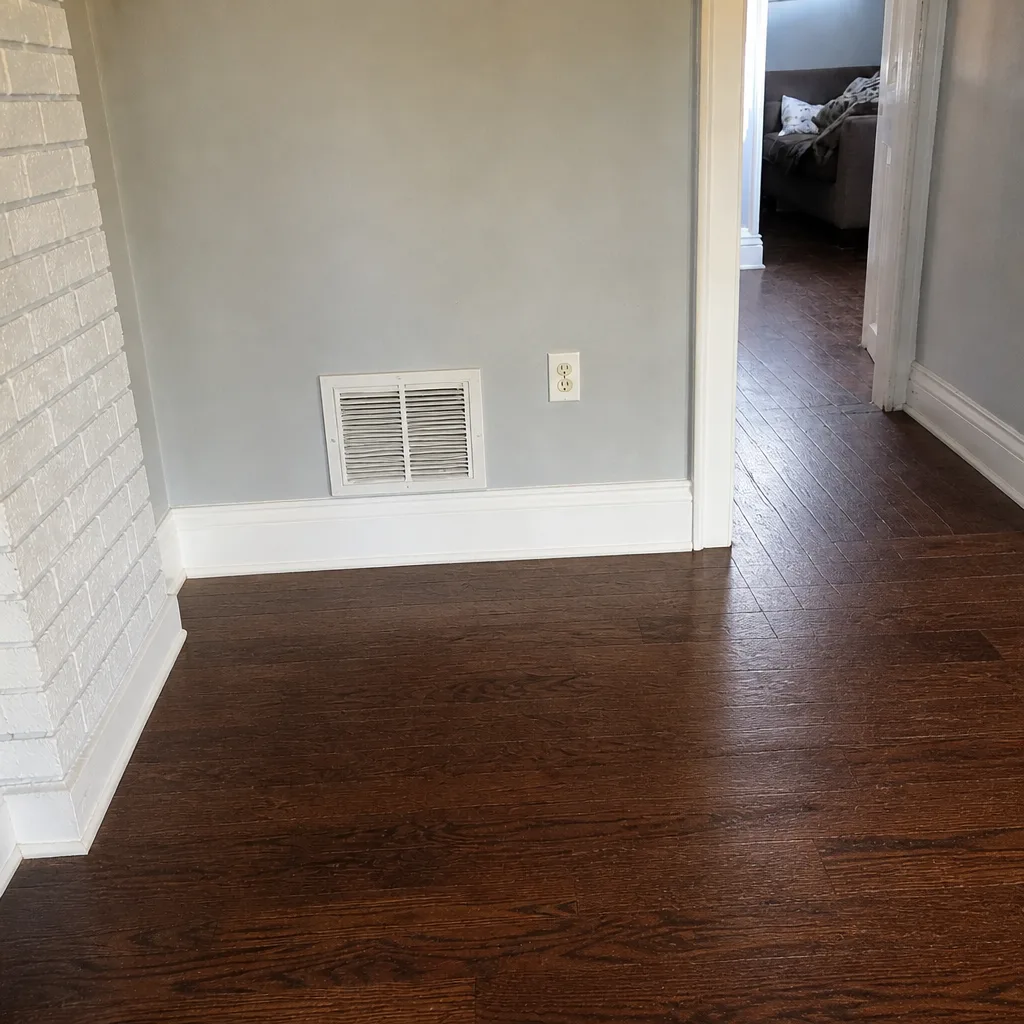
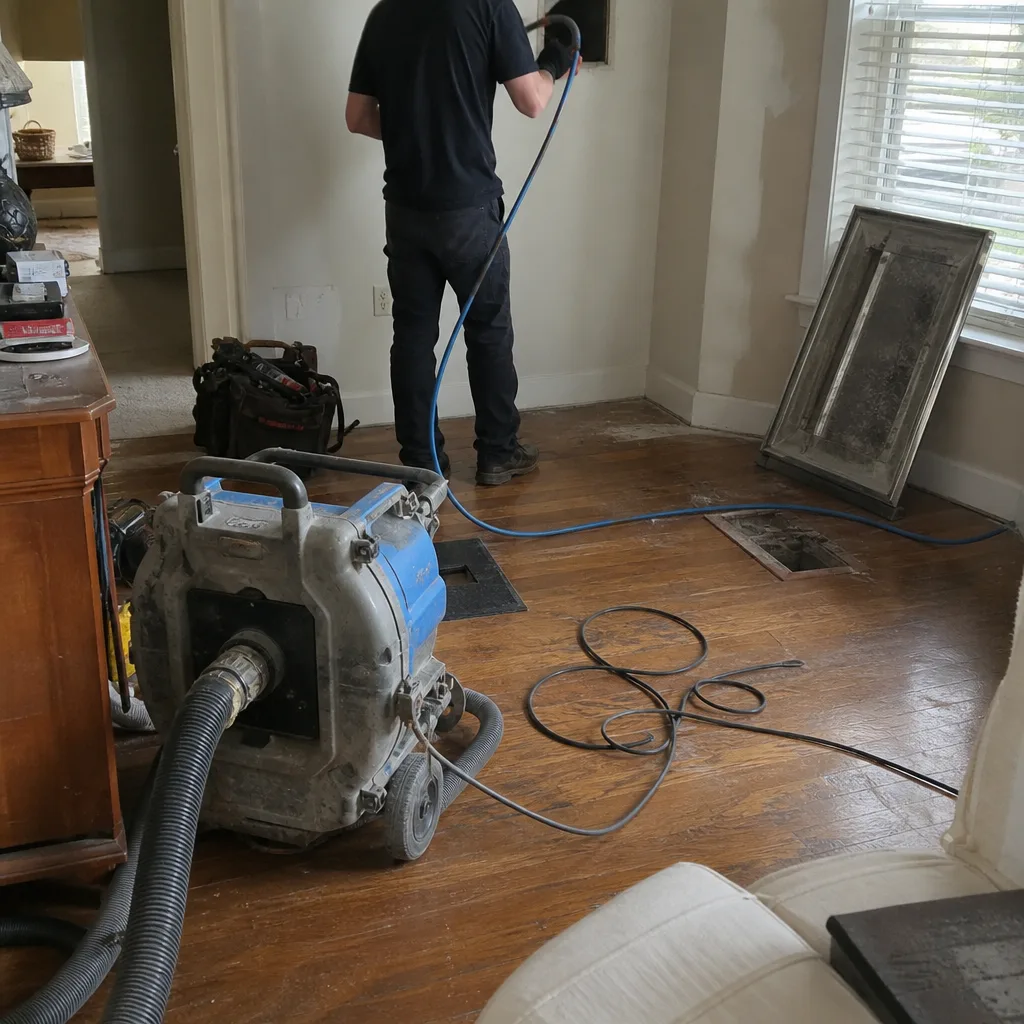
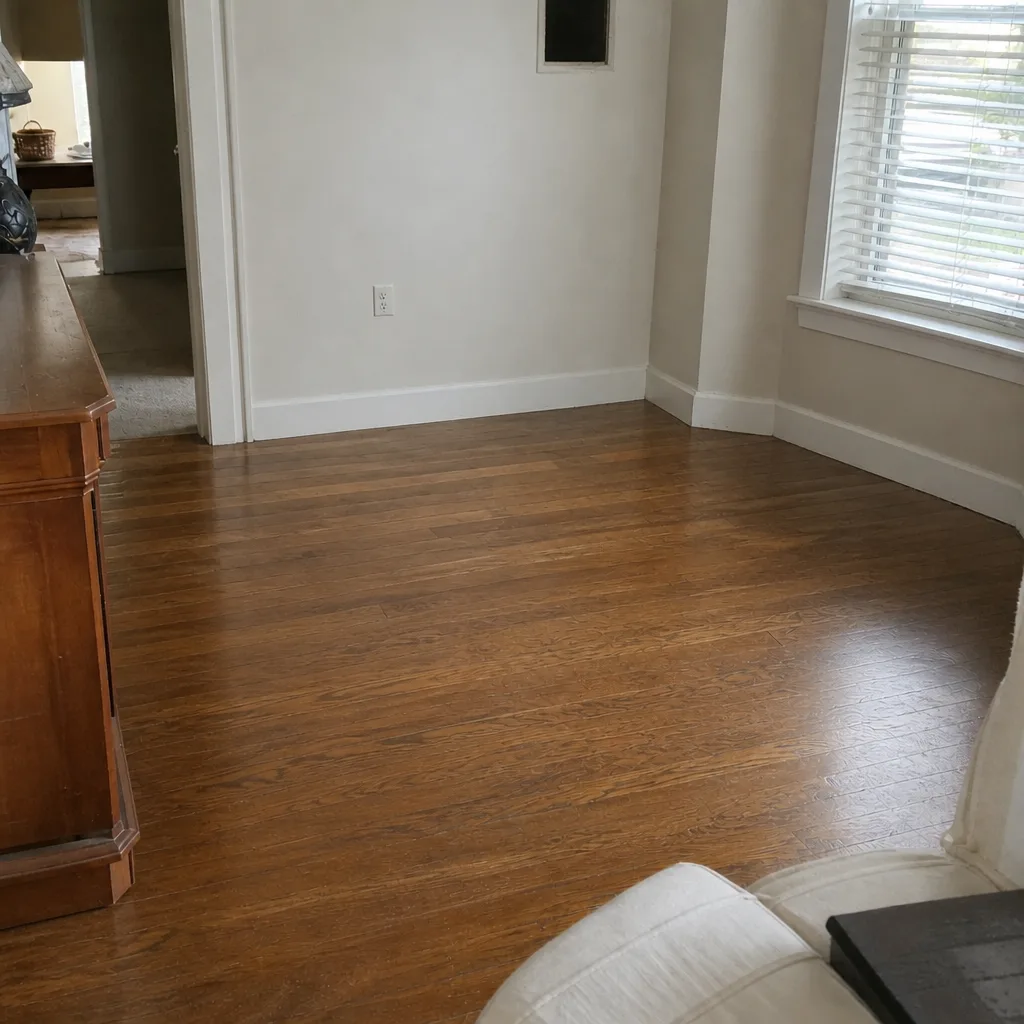
See the difference
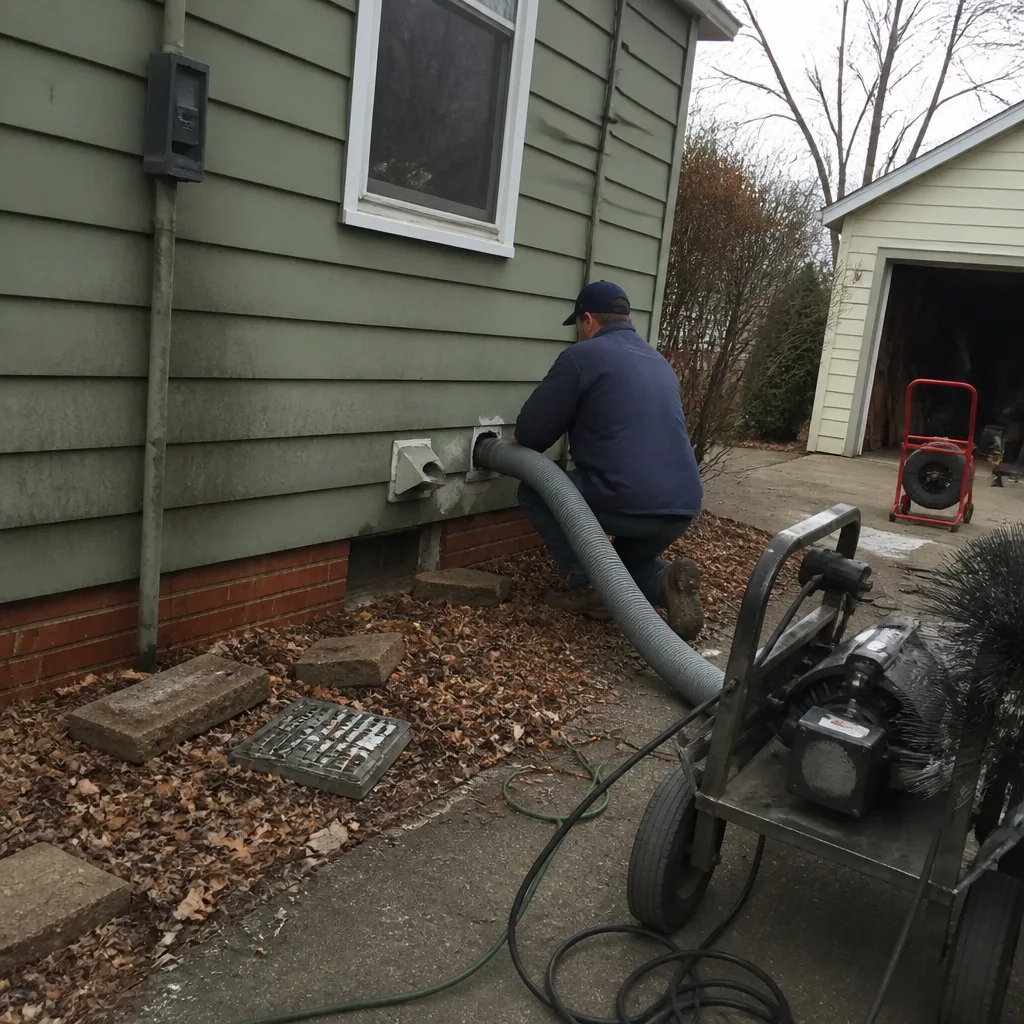 Before
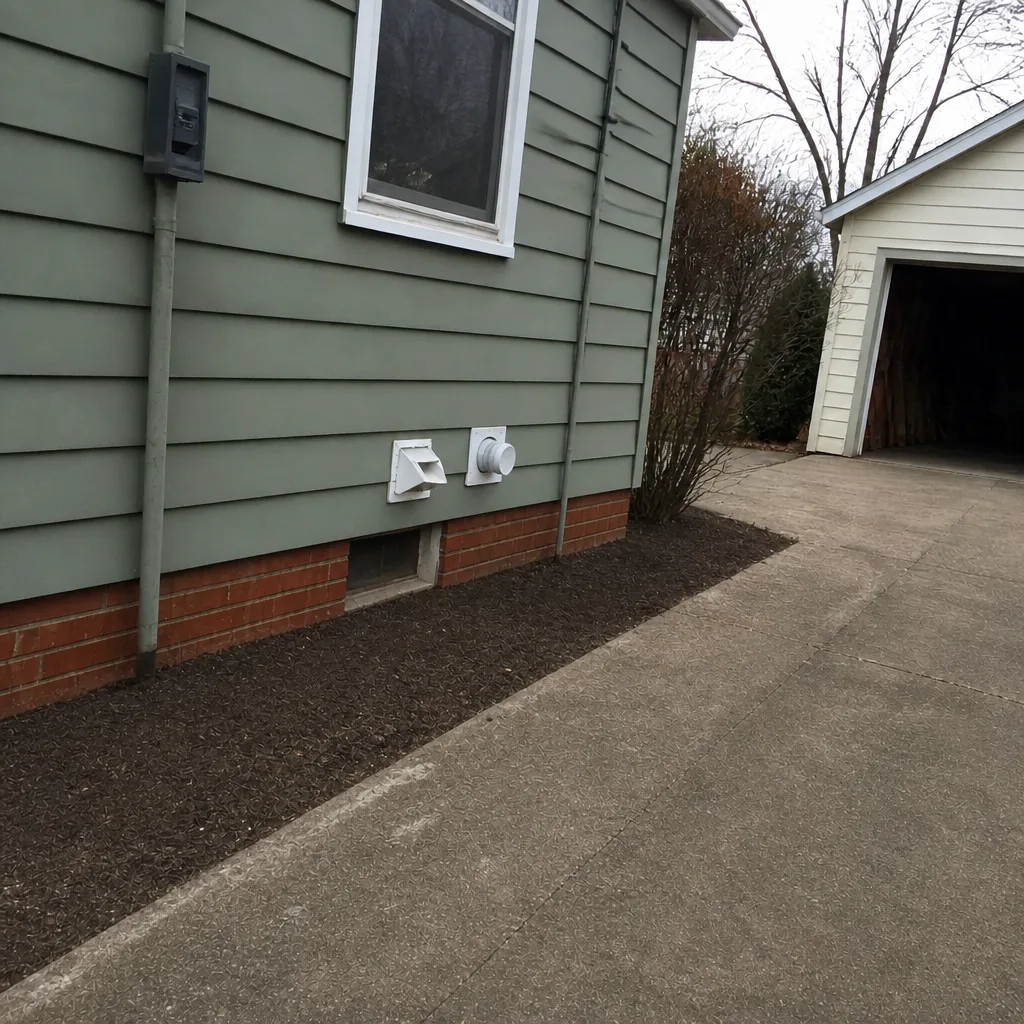 After
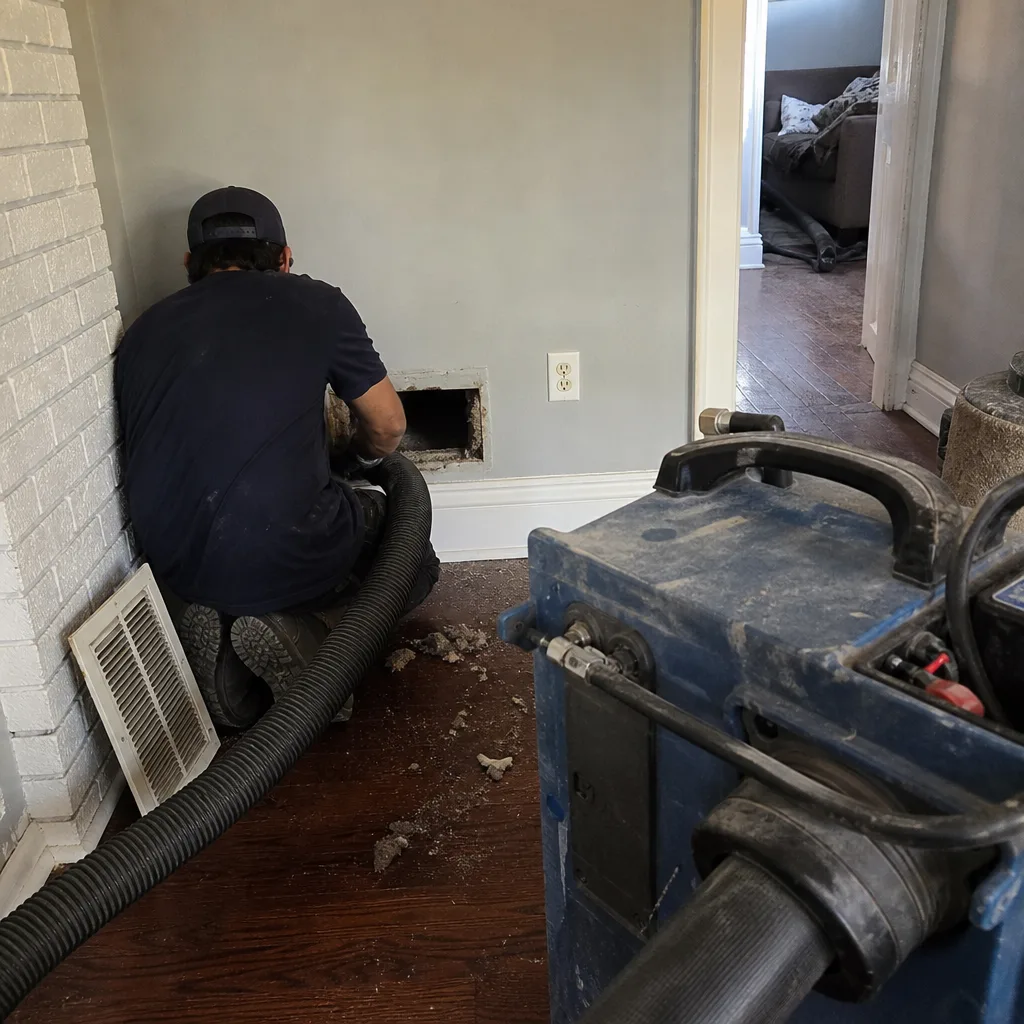 Before
 After
 Before
 After
When to Call a Professional
Call a professional when the duct system needs something a consumer vacuum can’t provide. That includes a home you’ve just moved into and can’t vouch for the maintenance history, a renovation that just wrapped and left drywall dust in every run, an allergy or asthma household where fine particles matter, a rodent or mold event that needs containment, visible debris or dust streaking at the registers, or a dryer that’s taking longer than it should to finish a load. We answer 24/7, with fast dispatch from 7am to 7pm, Sunday through Friday.
Air Duct Cleaning Plaza Midwood offers free estimates in Plaza Midwood – call (877) 492-2597. We give you a flat price per system, agreed before work starts, and before-and-after photos of your own ducts so you can see what changed. The technician who inspects can diagnose the whole system, not just the run nearest the stairs.
Frequently Asked Questions
Expect a whole-system duct cleaning in Plaza Midwood to fall in roughly the $350 to $700 range for a typical house, and more if the job includes containment, heavy contamination, or duct repair and sealing afterward. HVAC cleaning, sanitizing, and dryer vent cleaning are priced separately and can be added to the same visit. The estimate is free, the price is set per job by the written estimate, and our pricing is per system rather than per vent. Call (877) 492-2597 for an exact quote.
Professional crews operate rotary-brush extraction systems like Rotobrush, negative-air HEPA systems like Nikro, and containment equipment like Abatement Technologies. Rotobrush agitates and vacuums in a single pass, Nikro holds the whole system under negative pressure so debris is captured at the source, and Abatement Technologies adds true HEPA containment for fire, mold, or pest work. The combination is how a real cleaning differs from a shop vac and a promise. Call (877) 492-2597 to ask what would be used in your Plaza Midwood home.
Ask for a photo of the machine that will be used on your home, or a serial number for the unit, and look up the manufacturer’s listing directly. A real operator will show you; a name-dropper will dodge the question. A second tell is whether the brand shows up on the written estimate and not just the website. Call (877) 492-2597 and we’ll walk you through the systems we run.
Full containment is required for fire residue, mold, rodent contamination, or post-construction dust, and it isn’t necessary for routine maintenance cleaning in a healthy home. Knowing which case you’re in is what separates a correct job from an oversized one or an undersized one. In Plaza Midwood, where a lot of homes have seen gut renovations and older trees dropping pollen on the roof intake, that question comes up more often than people expect. Call (877) 492-2597 to talk through what your house needs.
Every three to five years is a sensible interval for a typical home, and shorter if someone in the household has allergies or asthma, if there are pets, or if a renovation, fire, mold event, or rodent problem has happened in between. The system also tells you: dust at the registers, uneven airflow, or a musty smell after rain are signs to move it up. Call (877) 492-2597 for a free estimate and we’ll tell you honestly whether you’re due.
The cheap quote usually reflects a shop vac and a cable brush, not a real cleaning. The low number makes sense once you understand what equipment that model requires (very little) and what it can do (very little). We answer 24/7 and our written estimate sets the price, so there’s no bait-and-switch pricing once the technician is on site. Call (877) 492-2597 for an honest system-level quote.
The Bottom Line
The equipment brand a duct cleaning company uses is the most reliable signal of what you’re buying. Rotobrush, Nikro, and Abatement Technologies systems cost real money, require trained operators, and do work a consumer vacuum can’t – and that’s before the repair and sealing that finishes the job. If you ask two questions on the phone (what machine, and how do you keep dust contained), you’ll separate the two halves of the market in five minutes. From the first intake to the last vent, one company should be handling the whole system. In Plaza Midwood, that’s what a real duct cleaning looks like.
If you’re ready to talk through your system, air duct cleaning Plaza Midwood is where we do the work – starting with a free estimate, a flat price per system, and before-and-after photos from your own ducts. We handle air duct cleaning, dryer vent and HVAC work, air quality and sanitizing, and duct repair and sealing under one roof. Both areas of work come through the same team, with the same equipment.
Call (877) 492-2597. We answer 24/7. Fast dispatch from 7am to 7pm, Sunday through Friday.
Written by the team at Air Duct Cleaning Plaza Midwood.