
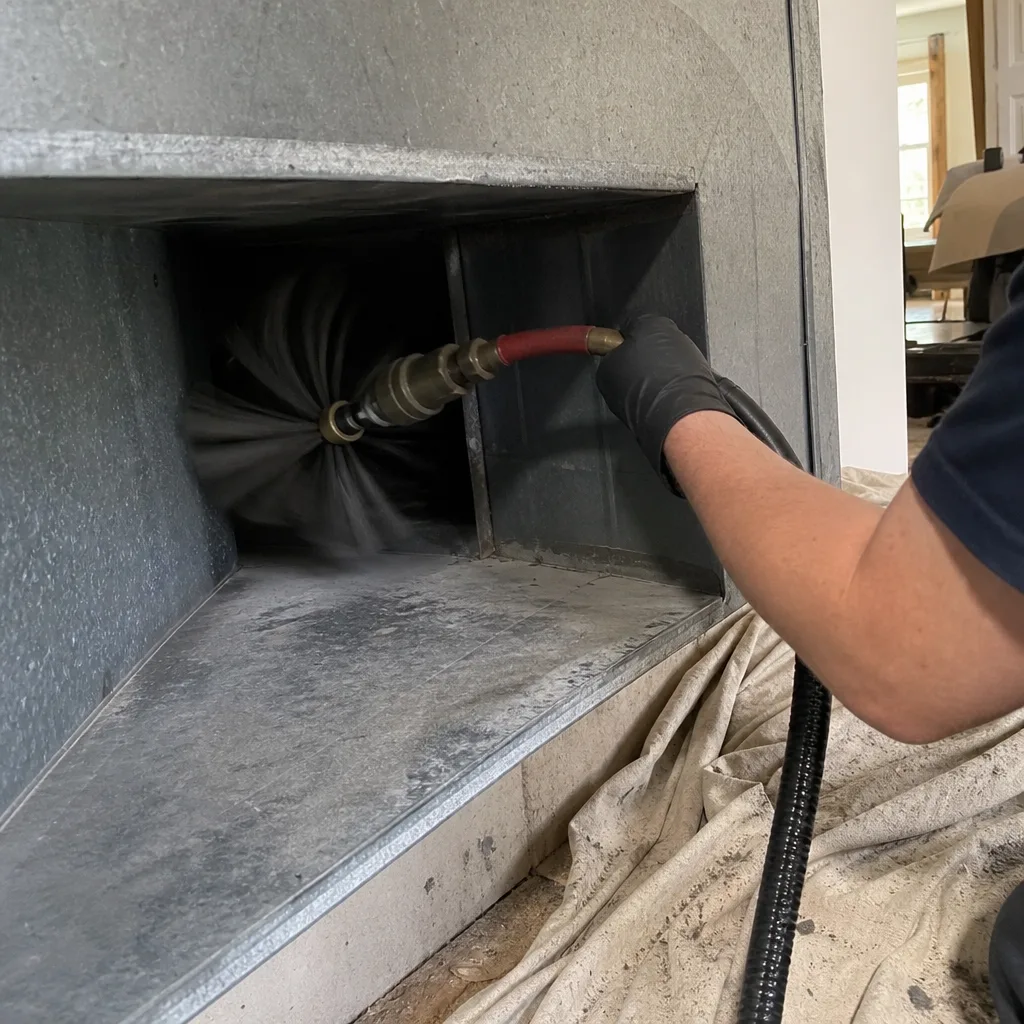
Last updated November 23, 2026
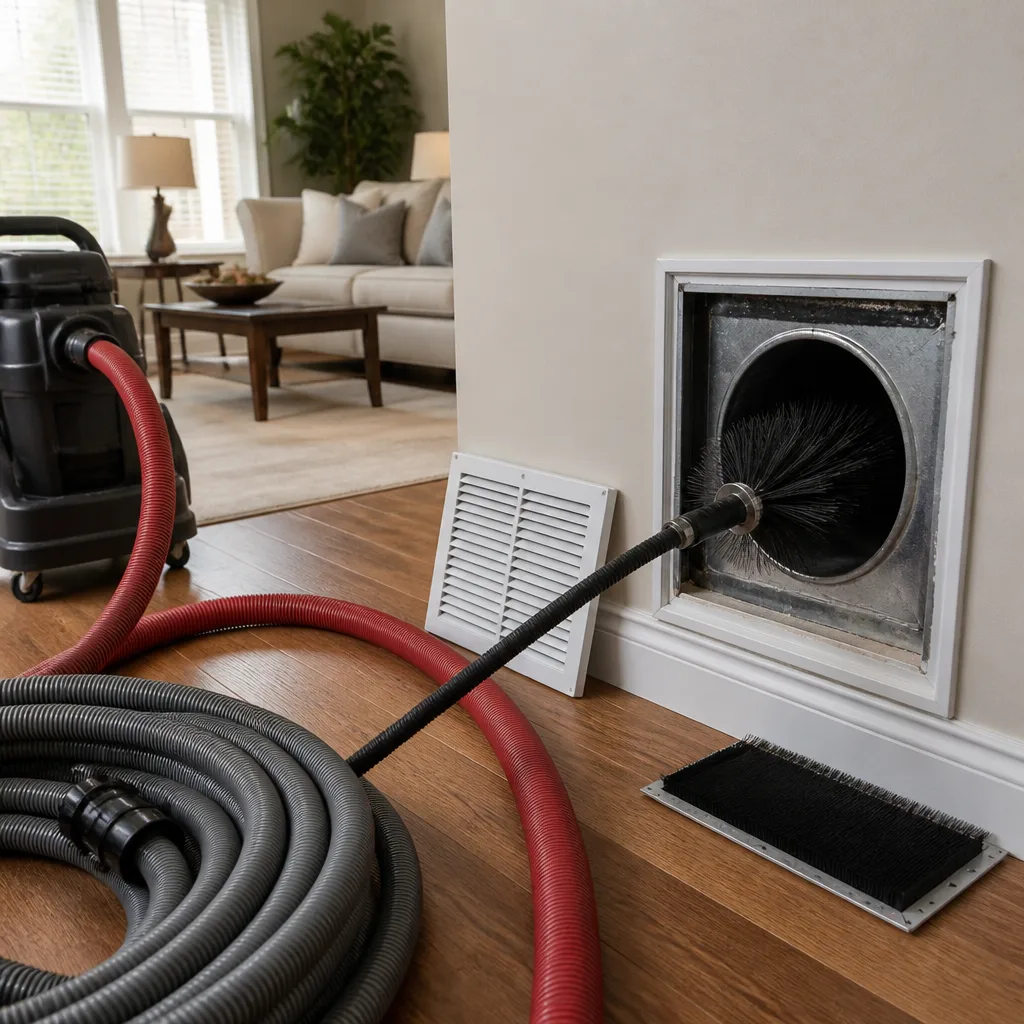 Whole-home duct cleaning
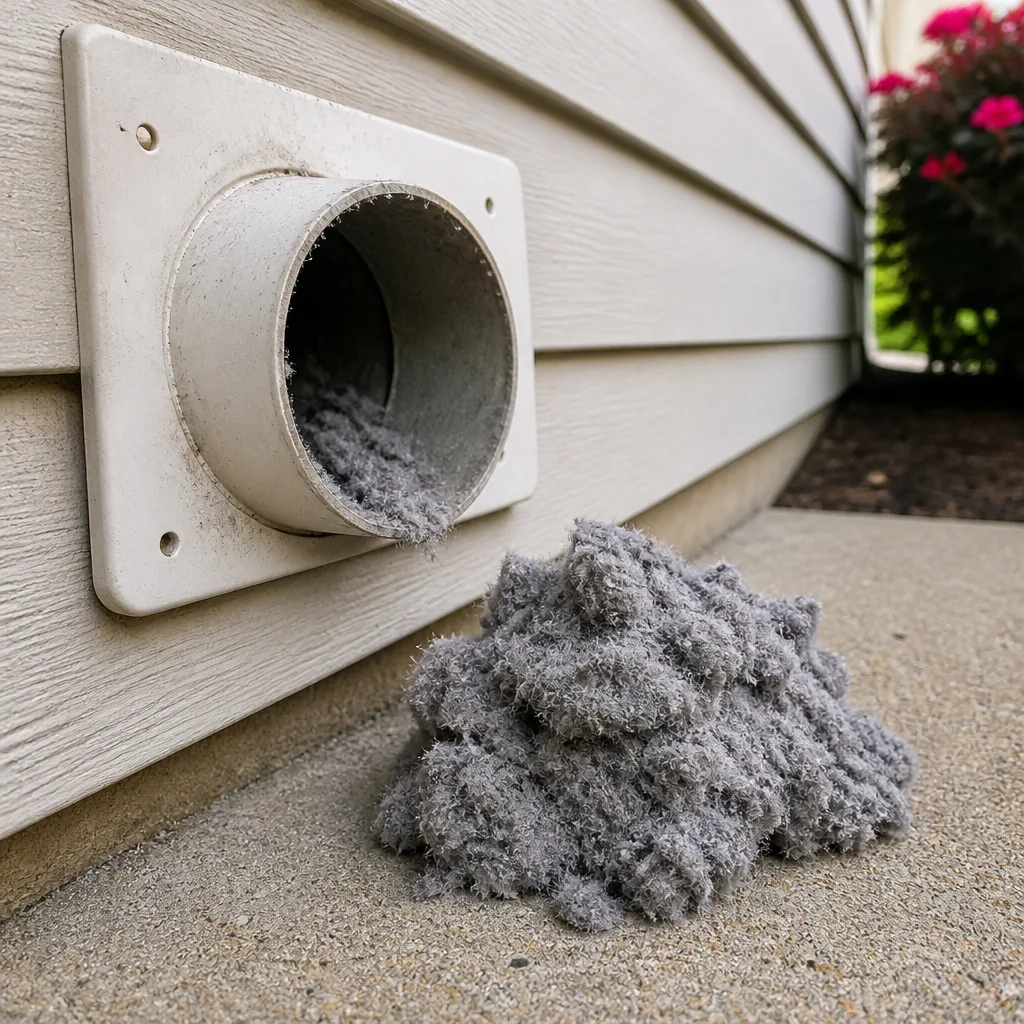 Dryer vent cleaning
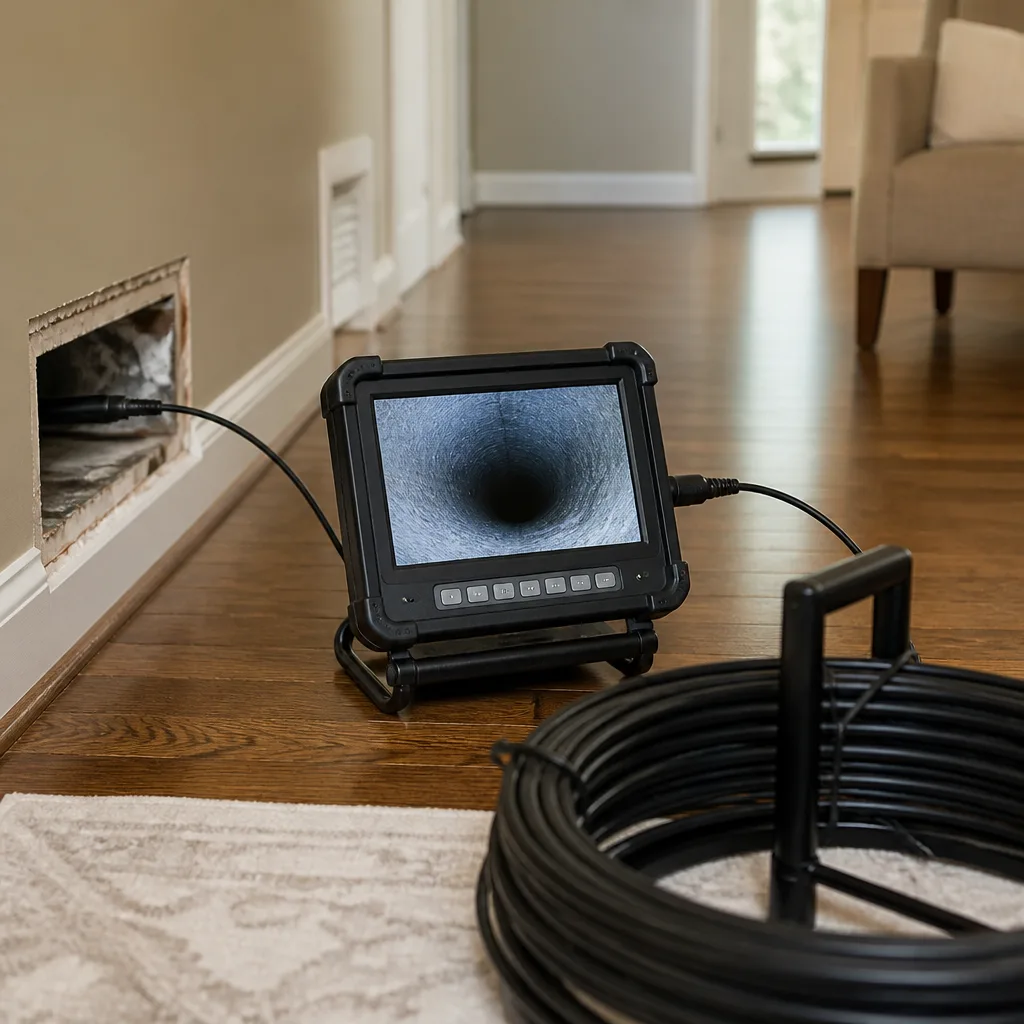 Camera inspection
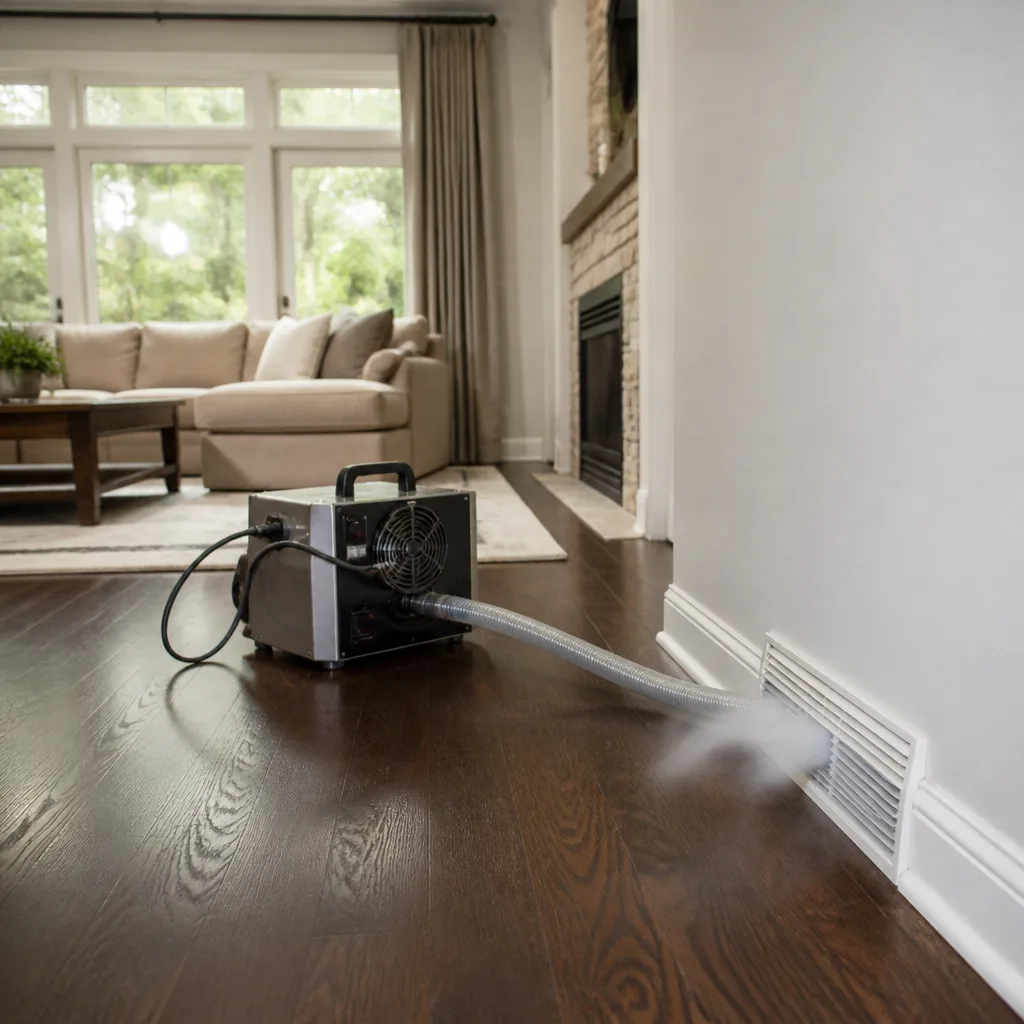 Sanitizing & deodorizing
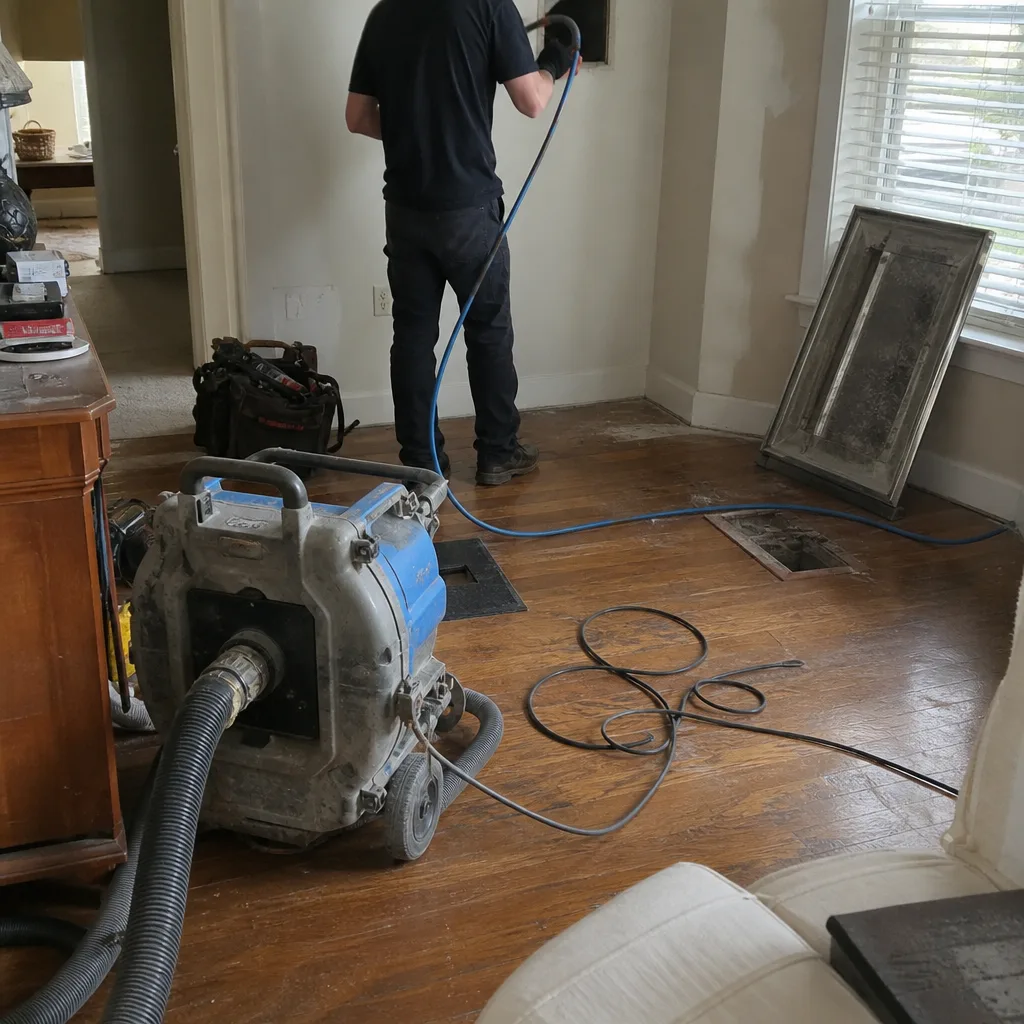
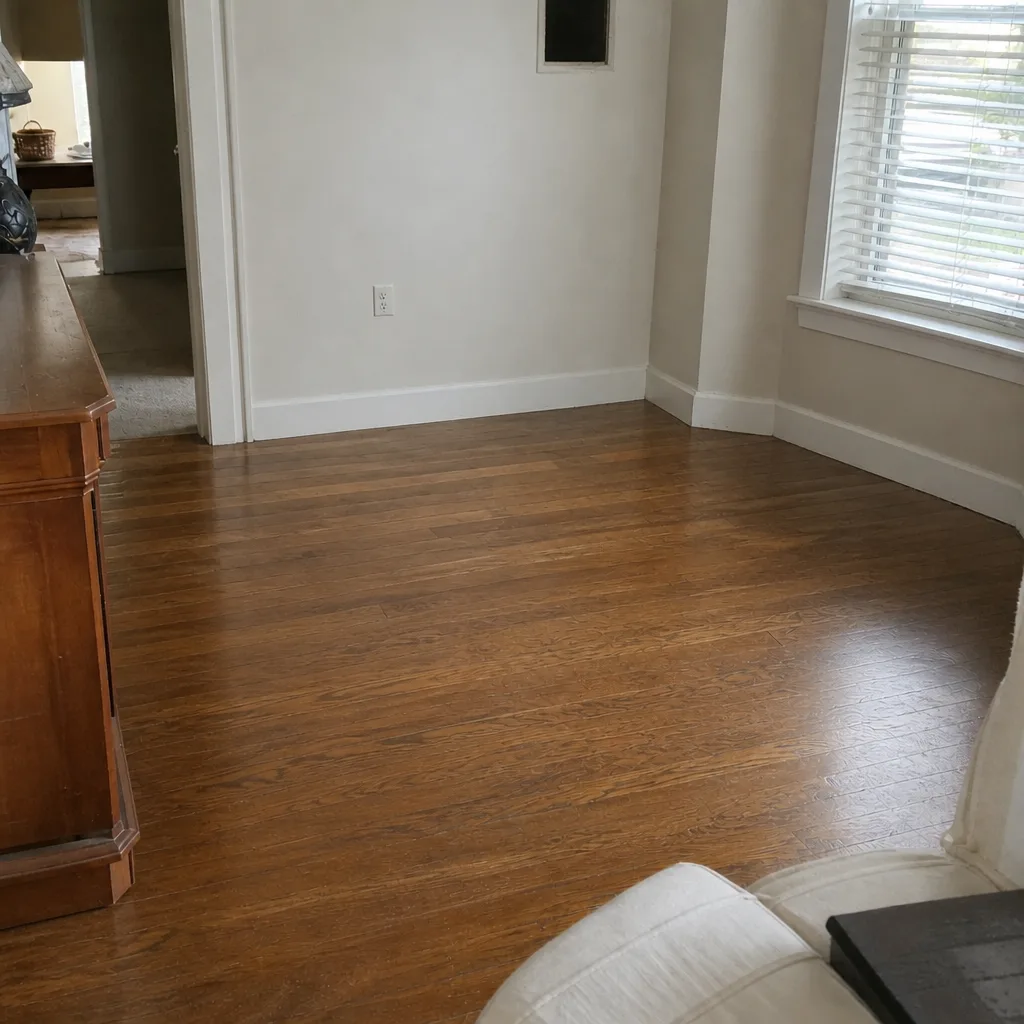
Whole-system duct and dryer vent check with before-and-after photos - you see exactly what came out of your vents
That "$99 whole-house special" is a bait ad - the real number appears once they are in your hallway, or the "clean" is a shop-vac at the register. We photograph the inside of your ducts before and after instead.
Air Duct Cleaning Permits, Codes & Inspections in Plaza Midwood, NC: What You Need to Know
Here’s the part of the conversation almost no duct cleaning company brings up: in North Carolina, cleaning your ducts requires no permit. The moment a technician cuts into a duct section, installs new flex duct, or seals the system with a sprayed-in product, you’ve crossed a line into mechanical work that Mecklenburg County requires a permit for. That distinction matters because unpermitted duct work shows up on home inspection reports, and in a Plaza Midwood housing stock full of 1920s bungalows and mid-century ranches, it shows up more often than sellers expect. This guide explains where cleaning ends and permitting begins, how to verify permits, and what happens at resale when the paperwork doesn’t exist.
Quick Answer
Air duct cleaning itself does not require a permit in North Carolina. Duct repair, duct sealing, and duct replacement are alterations to a mechanical system and generally do require a mechanical permit through Mecklenburg County before work begins. If a contractor is cutting, sealing, or replacing duct components in your Plaza Midwood home, ask to see the permit, and verify it through the county’s online permit portal.
Styles & brands we work with
- Whole-home duct cleaning
- Dryer vent cleaning
- Camera inspection
- Sanitizing & deodorizing
Table of Contents
- Cleaning vs. alteration: where NC Mechanical Code draws the line
- What triggers a permit in a Plaza Midwood home
- How to verify a permit in Mecklenburg County
- Duct sealing under NC code: mastic, tape, and Aeroseal
- How unpermitted duct work shows up on inspection reports
- Licensed HVAC contractor vs. unlicensed duct cleaner
- What a legitimate cleaning visit looks like at inspection
- When it’s time to bring in a professional
Cleaning vs. Alteration: Where NC Mechanical Code Draws the Line
The North Carolina Mechanical Code treats duct cleaning as maintenance. Maintenance is work that keeps a system operating as it was approved, without changing its design or components. A brush or rotary-brush cleaning followed by negative-air extraction removes accumulated debris from a duct system that stays exactly as it was. No permit applies. The system isn’t being redesigned, extended, or replaced.
An alteration is different. When the code refers to mechanical work that needs a permit, it’s describing changes to the system’s components or configuration. Cutting out a failed section of duct and replacing it with new material. Tapping in a new branch run for a finished attic or a converted porch. Replacing flex duct that has collapsed or been contaminated by water damage. Sealing a duct system in a way that changes its tested performance. Those are alterations, and in Mecklenburg County they go through the permitting process before a technician starts work.
The gray zone is the one homeowners rarely hear explained. Cleaning a duct full of debris is maintenance. Discovering a five-foot section of crushed flex duct inside a wall cavity during that cleaning, and then replacing it, is an alteration. In our experience the sequence is usually the same: cleaning reveals a repair need, and the repair need turns the visit from a maintenance job into a permitted mechanical project. In Plaza Midwood that’s especially common. Ducts in older homes here were often retrofitted after construction, flex runs get pinched through tight attic and crawlspace paths, and previous homeowners sometimes made unpermitted modifications. Cleaning a 1950s house frequently surfaces a leak or a disconnected run that has been quietly bleeding conditioned air for years.
The practical takeaway: a duct cleaning quote that requires no permit is entirely normal, because cleaning requires none. If the same contractor starts cutting, cap it and ask about the permit.
What Triggers a Permit in a Plaza Midwood Home
Mecklenburg County’s permitting rules come from the state mechanical code and are enforced locally. For a Plaza Midwood homeowner, the practical question is: does this specific piece of work count as alteration, or as maintenance? Here’s how that breaks down for the duct work you’re likely to run into here.
Work that generally does not need a mechanical permit:
- Cleaning. Rotary-brush removal of dust, debris, and biological growth from an existing duct system, with no change to the duct layout or components.
- Sanitizing. Applying a treatment to a duct interior for microbial control, without altering the duct’s structure or airflow design.
- Air filter changes. Replacing a disposable filter, including switching to a same-size higher-efficiency cartridge.
- Register and grille replacement. Swapping a supply register or return grille for one of the same opening size, no duct modification.
Work that generally does need a mechanical permit:
- Duct section replacement. Cutting out a damaged or disconnected run and installing new duct material.
- New branch runs added. Extending the system to a new diffuser, common in living-room or sunroom additions on older Plaza Midwood homes.
- Full duct system replacement. Replacing an entire distribution system, common when a home still runs the original ductwork.
- System-level sprayed sealing. Applying a sealing product across the whole duct system, which changes system performance and is inspected as an engineered mechanical alteration.
- Duct relocation. Moving a run out of the way during a kitchen remodel or other structural change.
If it’s a same-size swap of a component, it’s usually maintenance. If you’re cutting into ductwork, adding, moving, or replacing duct components, ask for the permit.
How to Verify a Permit in Mecklenburg County
The county runs a public online permit portal, and homeowners can search by address or by permit number. The portal shows whether a permit has been issued, what type it is, the contractor listed, the inspections performed, and the current status. This is a free check you should run before and after any mechanical work on your Plaza Midwood home, not just duct work.
Here’s the sequence we recommend:
- Ask before work begins. “Will this job require a mechanical permit, and are you pulling it?” If the answer is a vague “we handle all that” without a permit number, get specifics.
- Search the county portal by property address. Look for a mechanical permit matching the described scope. Permits are typically issued before the work, not after.
- Confirm the contractor on the permit. The permit should list the licensed mechanical contractor who is doing the work. If it lists a different company than the one at your door, that’s a red flag.
- Ask about inspections. Mechanical alteration permits usually require inspection before the work is closed out. Ask a contractor whether they scheduled the inspection, and check the portal for the result.
- Keep the final records. Save the permit number, the inspection approval, and any photos of the completed work. They go into your home file, and they’ll come back up if you sell.
We’ve watched enough Plaza Midwood real estate activity to know how often final inspections aren’t scheduled. If a permit was pulled but never closed, it still shows up as an issue on the county record later. The homeowner ultimately has to fix that before a sale can close cleanly.
Duct Sealing Under NC Code: Mastic, Tape, and Aeroseal
Duct sealing is where the classification gets nuanced, and where the mechanical permit question usually comes to a head. Three types of sealing matter here, and the code treats each a bit differently depending on how much of the system you touch.
Mastic sealing
Mastic is a thick, brush-applied sealant used on joints, seams, and connections. It’s durable, sticks to galvanized and flex duct, and is the standard reference material for code-compliant duct sealing. When a contractor is sealing a handful of accessible joints during a repair, it usually falls within the repair scope. When mastic sealing is the entire point of the job, across an existing duct system, it’s more often classified as alteration and pulled as a mechanical permit.
Foil-backed tape
Duct tape (the gray fabric kind) is not accepted under mechanical code for permanent duct sealing. Foil-backed tape with a listed pressure-sensitive adhesive is accepted. Whether tape-only sealing needs a permit depends on scope, but the material standard is not negotiable: regular cloth-backed duct tape fails and voids the seal.
Aeroseal
Aeroseal is an engineered sprayed-in sealant system applied from the inside of the ductwork, sealing leaks you can’t reach. It’s a legitimate mechanical treatment that changes how the system performs. Because of that, it’s typically permitted as an alteration. The code treatment and inspection expectation for a full Aeroseal treatment aren’t the same as for brushing mastic over ten accessible joints.
What this means practically: ask the contractor, in writing, how the sealing work is classified. A contractor who tells you the whole sealing job is maintenance-only, without scoping it, is avoiding the question.
How Unpermitted Duct Work Shows Up on Inspection Reports
Home inspectors in Plaza Midwood know older homes well, and they know what retrofitted ductwork looks like. Unpermitted duct work tends to reveal itself through a few repeat signals in an inspection report: duct material that doesn’t match the age of the system, a junction sealed with cloth duct tape, a new branch run with no visible permit documentation, or a disconnected flex run in an attic that clearly wasn’t part of any inspection.
Once flagged, the report wording is typically “evidence of duct alterations, verification of permits recommended.” That line sets off a chain of events during the transaction:
- Buyer requests documentation. The buyer’s agent asks for the permit number and inspection record. If it doesn’t exist, the details have to be negotiated.
- Repair or credit. The seller either pulls a permit and has the work corrected by a licensed contractor, or credits the buyer with an equivalent amount at closing.
- Delayed closings. A mechanical permit that needs a new inspection can add time to a deal that was scheduled to close.
- Lender complications. Some loan programs won’t proceed on a property with open or unresolved permits. That’s a bigger issue than a closing credit.
We’ve seen how much of a difference clean documentation makes. A homeowner in Plaza Midwood who can say “we pulled permit #X, it was inspected, here’s the record” closes without friction. The homeowner who has to say “we think the last owner had that done” does not. In a neighborhood where properties turn over regularly and buyers are sensitive to thorough inspections, having the permit record with your home file is one of the least expensive things you can do for your future sale.
Licensed HVAC Contractor vs. Unlicensed Duct Cleaner
This is the line homeowners need to understand before they hire anyone. In North Carolina, mechanical work on a duct system, meaning the alterations described above, has to be performed by a licensed mechanical contractor (or under one’s supervision). The North Carolina State Board of Examiners of Plumbing, Heating and Fire Sprinkler Contractors issues and enforces those licenses. A permit is pulled through that license.
A duct cleaning company that only does cleaning may not need an HVAC license to do that cleaning, because cleaning isn’t mechanical work. But the moment a crew cuts into a duct, installs a new flex run, or applies a system-level sealant, the licensee question kicks in. If the company performing it doesn’t hold a mechanical license, they legally can’t pull the permit, and they legally can’t perform the work.
What this means when you’re comparing quotes:
- Ask for the license. Mechanical contractor license status is searchable through the state board’s public directory. Check it before work begins, not after.
- Watch for scope-shifting. A duct cleaning quote that quietly grows to include duct repair and sealing is a normal sequence, but the repair portion should be performed by a licensed mechanical contractor and, where code requires, under a permit.
- Separate the two scopes. Cleaning is one job. Repair and sealing is another. Get separate pricing and paperwork for each, and confirm the repair scope is being handled by a properly licensed contractor.
Our own approach is a good test case: because we offer duct repair and sealing as a core service alongside cleaning, any Plaza Midwood job that crosses from cleaning into mechanical alteration is handled through the proper licensed and permitted pathway. The local pro is licensed and insured as their state requires, and the work is documented from the first intake to the last vent.
What a Legitimate Cleaning Visit Looks Like at Inspection
Nothing in an inspection report shows whether the cleaning itself was thorough. But the equipment on the job tells you whether it can be. We use professional-grade systems, not consumer shortcuts, and that matters when the work needs to hold up to scrutiny.
The equipment bench for a Plaza Midwood cleaning:
- Rotobrush and Nikro rotary-brush extraction. Contact-based cleaning that reaches duct walls, not just free-floating dust. The same systems commercial and industrial contractors use.
- Abatement Technologies negative-air containment. Holds dislodged debris inside the system during cleaning so it’s captured, not pushed into living space.
- HEPA-filtration exhaust. The Nikro system meets NADCA-aligned standards for professional duct cleaning, which matters most in allergy and asthma households.
- Camera inspection. A look inside the system before and after, so you see what was actually removed rather than taking a verbal account of it.
- Written before-and-after documentation. Photos of the duct interior, kept with the job record alongside any permit paperwork.
- Honeywell and Aprilaire integration. If the same visit upgrades filtration or humidity control, those are name-brand products with a manufacturer paper trail, not an unlabeled part.
Where a cleaning uncovers a repair need, the repair is scoped and classified as described above. Our air duct cleaning service handles the cleaning side, and HVAC cleaning extends to the coil and system components. When the cleaning reveals a leak or a disconnected run, Air Duct Cleaning Plaza Midwood handles the repair and sealing scope through the correct mechanical pathway. If your dryer vent is the concern, dryer vent cleaning is a separate service with its own fire-prevention rationale. Every one of these is priced per job by the written estimate, agreed before work starts, with before-and-after photos of your own ducts.
Common Mistakes to Avoid
- Assuming cleaning requires a permit. It doesn’t. But if a contractor uses “no permit needed” to cover a repair or sealing scope, they’re misapplying the rule. Ask separately about cleaning and about repair.
- Not verifying the permit on the county portal. A verbal “we’ll take care of it” isn’t a permit. Search the Mecklenburg County portal by address before work begins, and check it again once the job is finished.
- Confusing duct tape with code-compliant sealing. Gray cloth-backed duct tape isn’t accepted for permanent duct sealing. If a technician seals joints with it during a repair, that seal isn’t code-compliant and will fail.
- Letting a cleaning-only company handle the repair. Cleaning and mechanical alteration are two different legal scopes. If the crew at your Plaza Midwood home started cutting into ductwork, the repair should be under a licensed mechanical contractor’s permit.
- Not asking about Aeroseal classification. System-level sprayed sealing is a mechanical alteration. If a contractor offers Aeroseal with “no permitting required,” that’s a question to press on.
- Letting an open permit sit. If a permit was pulled but no inspection was ever scheduled, it stays open in the county record. That surfaces during a home sale and has to be resolved before closing.
- Skipping the home file. In a neighborhood that turns over as regularly as Plaza Midwood, keeping permit numbers, inspection records, and before-and-after photos in your home file avoids a lot of friction down the road.
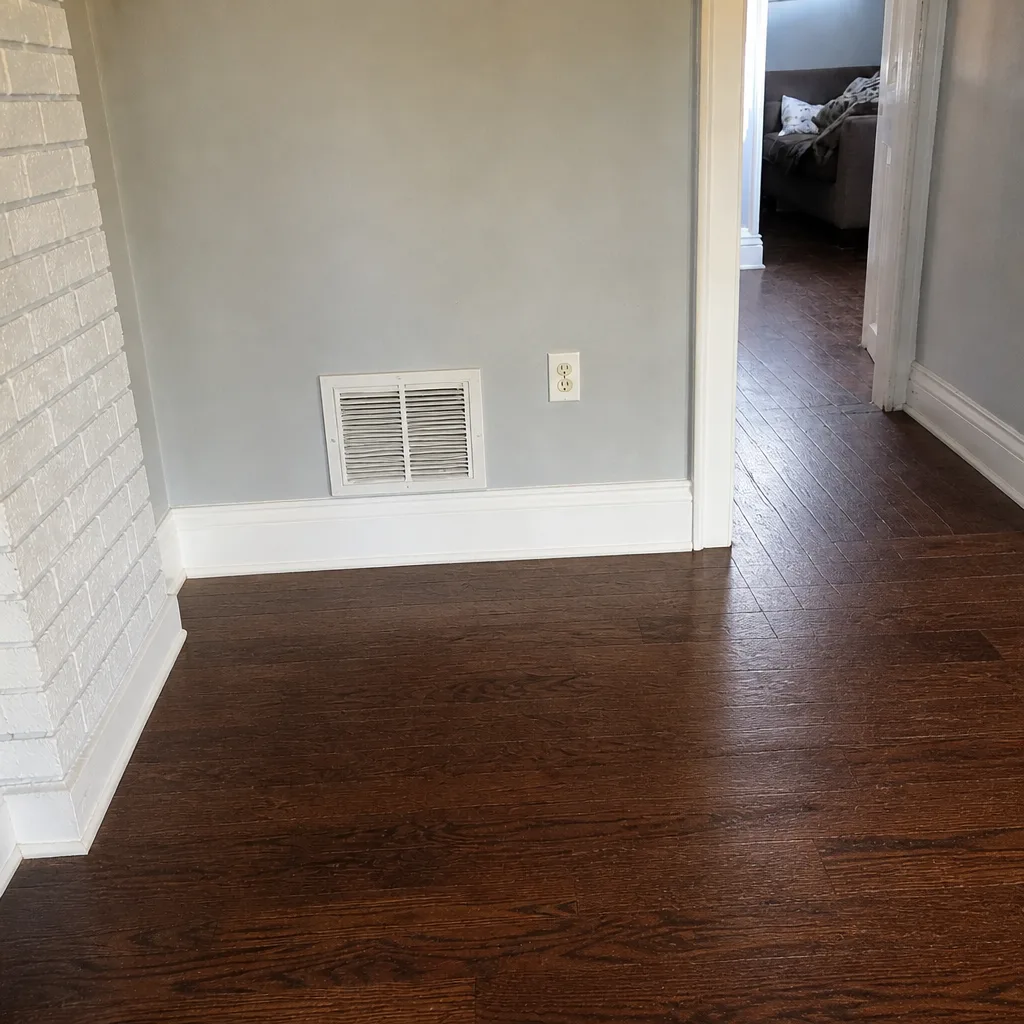
See the difference
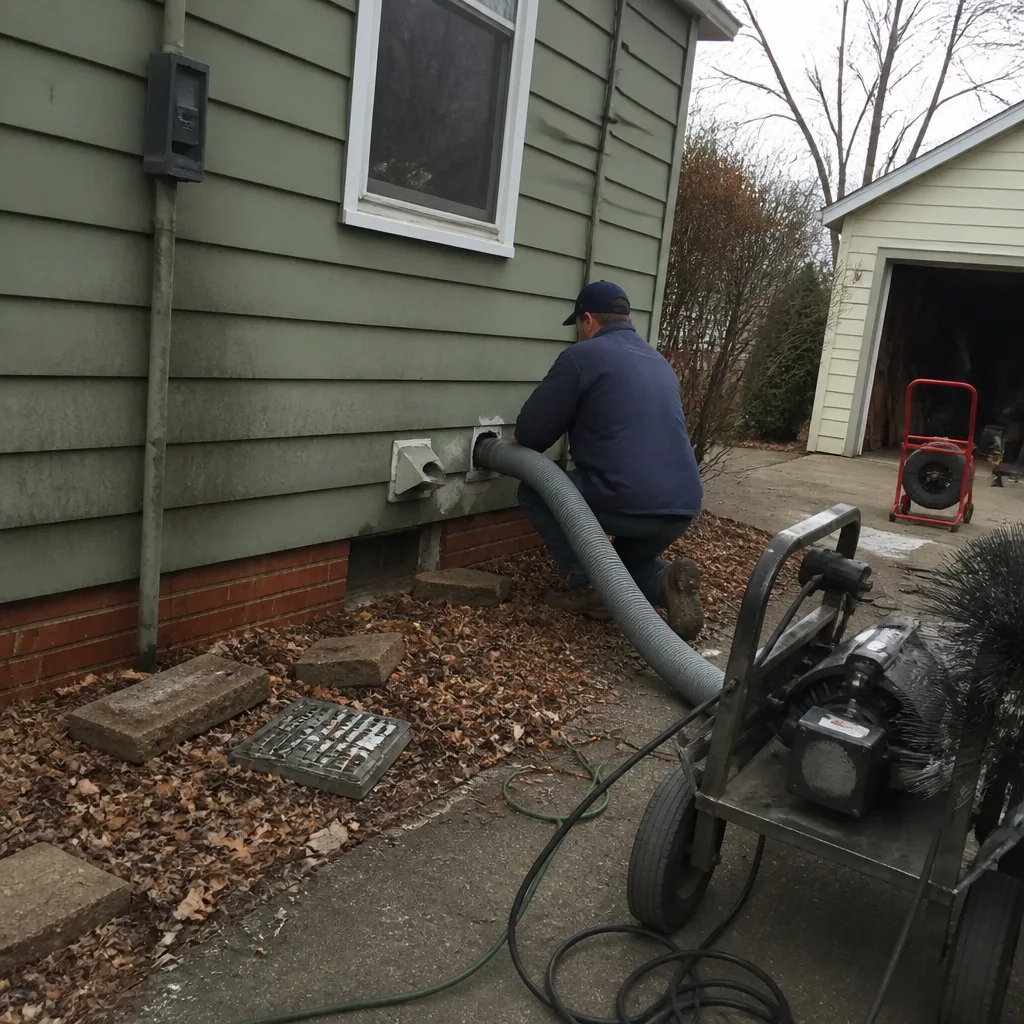 Before
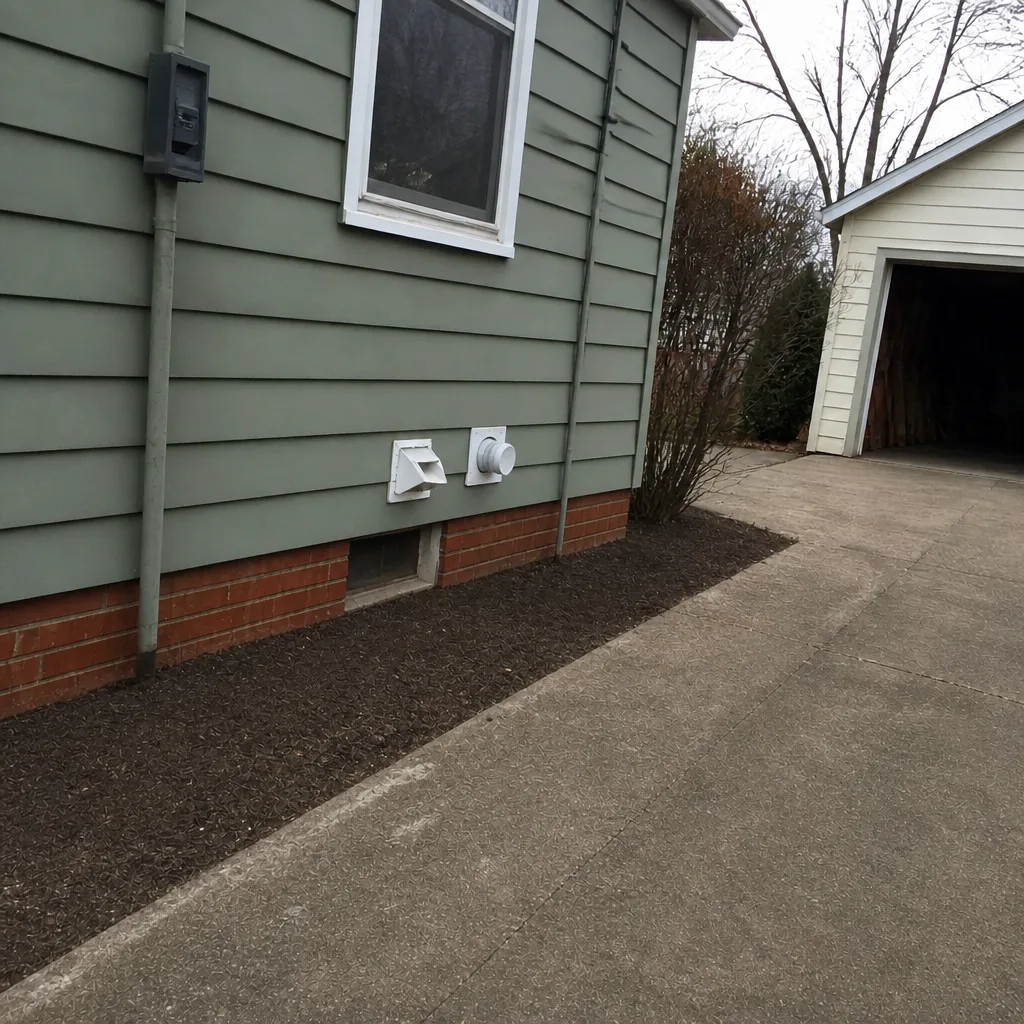 After
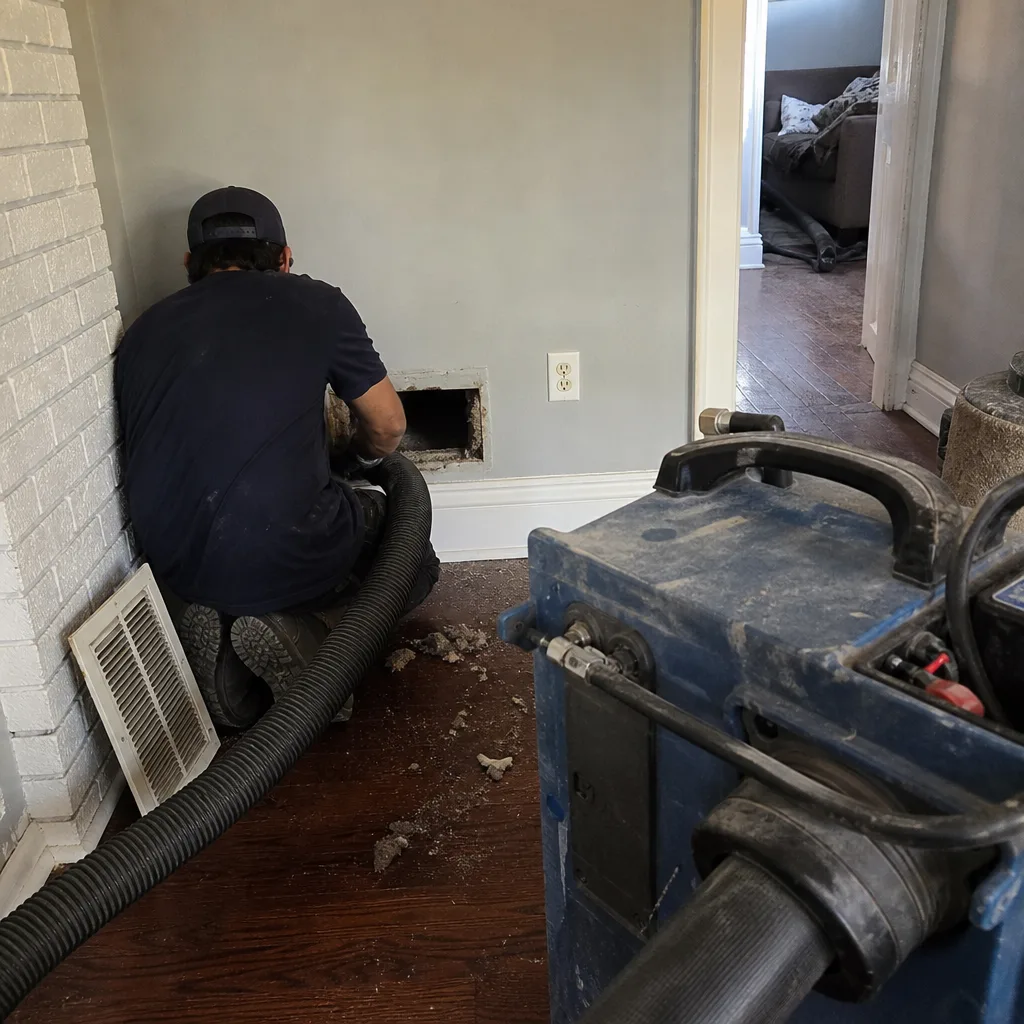 Before
 After
 Before
 After
When to Call a Professional
If you’re past the point of routine maintenance and into anything that touches the ductwork itself, that’s the point to call. Situations that warrant a professional: a disconnected or collapsing flex run is visible in the attic or crawlspace; you’re planning a renovation in a Plaza Midwood bungalow and the ductwork needs relocation or extension; your HVAC system has been running with obvious leaks and a spray-sealing treatment is being considered; you’ve just finished a renovation and the ducts need a thorough post-construction cleanout before occupancy. Air Duct Cleaning Plaza Midwood offers free estimates in Plaza Midwood – call (877) 492-2597. We answer 24/7. Fast dispatch from 7am to 7pm, Sunday through Friday.
Frequently Asked Questions
No. Air duct cleaning is classified as maintenance under North Carolina mechanical code and does not require a permit. Duct repair, duct sealing, and duct replacement are alterations, and Mecklenburg County generally requires a mechanical permit for those before work begins. Call (877) 492-2597 for an exact quote – estimates are free.
Cost depends on the size of the system and the scope of the job, and we price each system as one flat rate quoted up front. The final price is set by the written estimate before any work starts, and you get before-and-after photos of your own ducts. Call (877) 492-2597 for an exact quote – estimates are free.
Yes, unless the scope includes repair or sealing. Cleaning alone requires no permit in North Carolina. If a company quotes the cleaning as a permitted job, ask what scope they’re pulling the permit for. The answer should be a specific repair or sealing scope.
A licensed mechanical contractor. The North Carolina State Board of Examiners of Plumbing, Heating and Fire Sprinkler Contractors issues and enforces those licenses. A duct cleaning company without a mechanical license can perform cleaning but cannot perform the alterations or pull the permit required for repair.
Not necessarily differently, but scoped differently. Mastic sealing of a handful of accessible joints during a repair is usually handled as part of the repair. Full-system sprayed sealing like Aeroseal changes system performance and is typically permitted as a mechanical alteration. Ask the contractor to state the classification in writing.
Unpermitted duct work surfaces during a home inspection, most often as “evidence of duct alterations, verification of permits recommended.” That triggers a repair or credit negotiation, can delay closing, and can hold up financing on some loan programs. Pulling the permit is the cheaper option.
Ask for before-and-after photos of your own duct interior, and review the permit and inspection record. We document every cleaning with both, and any repair scope goes through the correct mechanical pathway. Call (877) 492-2597 for an exact quote – estimates are free.
The Bottom Line
Air duct cleaning in Plaza Midwood is maintenance and requires no permit. Duct repair, duct sealing, and duct replacement are alterations and generally do require a Mecklenburg County mechanical permit pulled by a licensed mechanical contractor. Verify the permit on the county’s public portal, ask how sealing work is classified, and keep the permit record with your home file. In a neighborhood where home inspections are thorough and sales happen regularly, the paperwork is one of the least expensive things you can get right. Our technicians have up to 14 years of experience working with professional-grade equipment, and every cleaning is priced per job by the written estimate. Call (877) 492-2597 for a free estimate. We answer 24/7. Fast dispatch from 7am to 7pm, Sunday through Friday.
Written by the team at Air Duct Cleaning Plaza Midwood.