
Last updated November 23, 2026
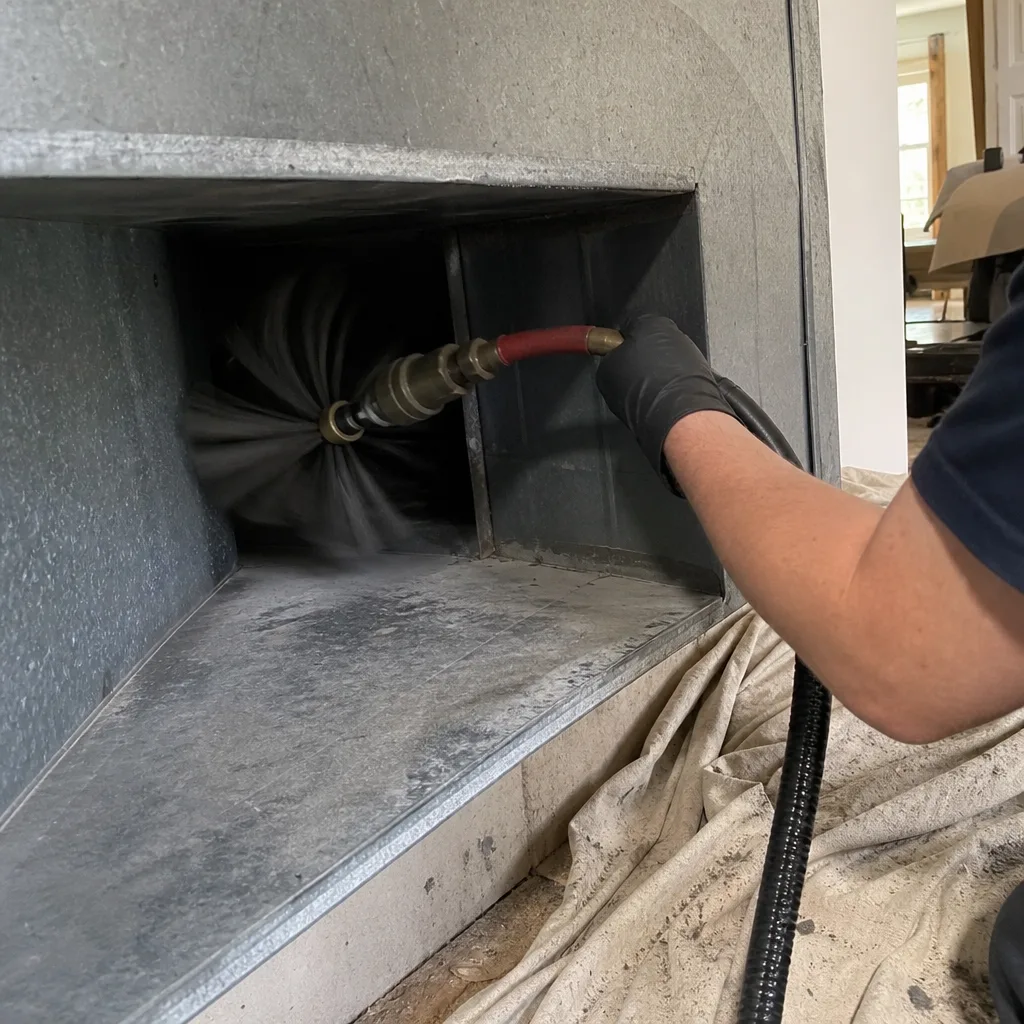
 Whole-home duct cleaning
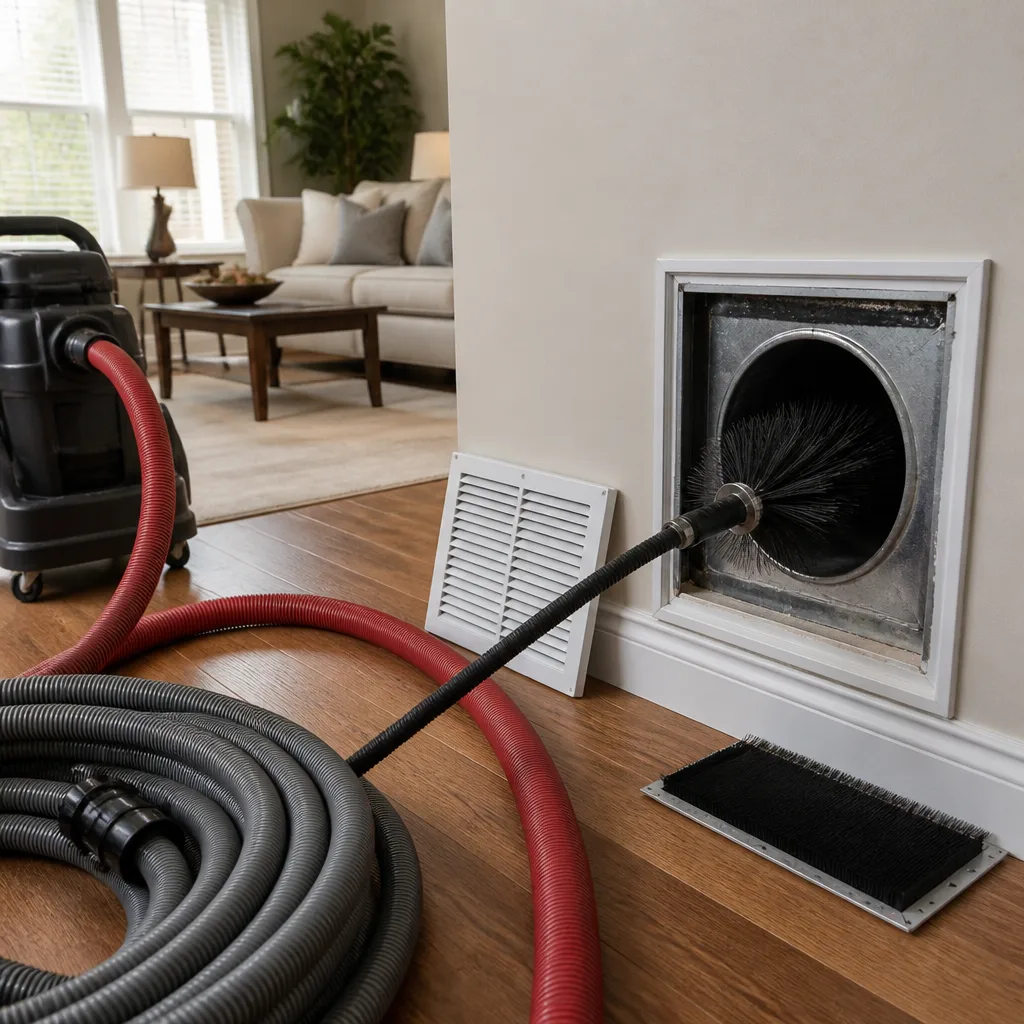
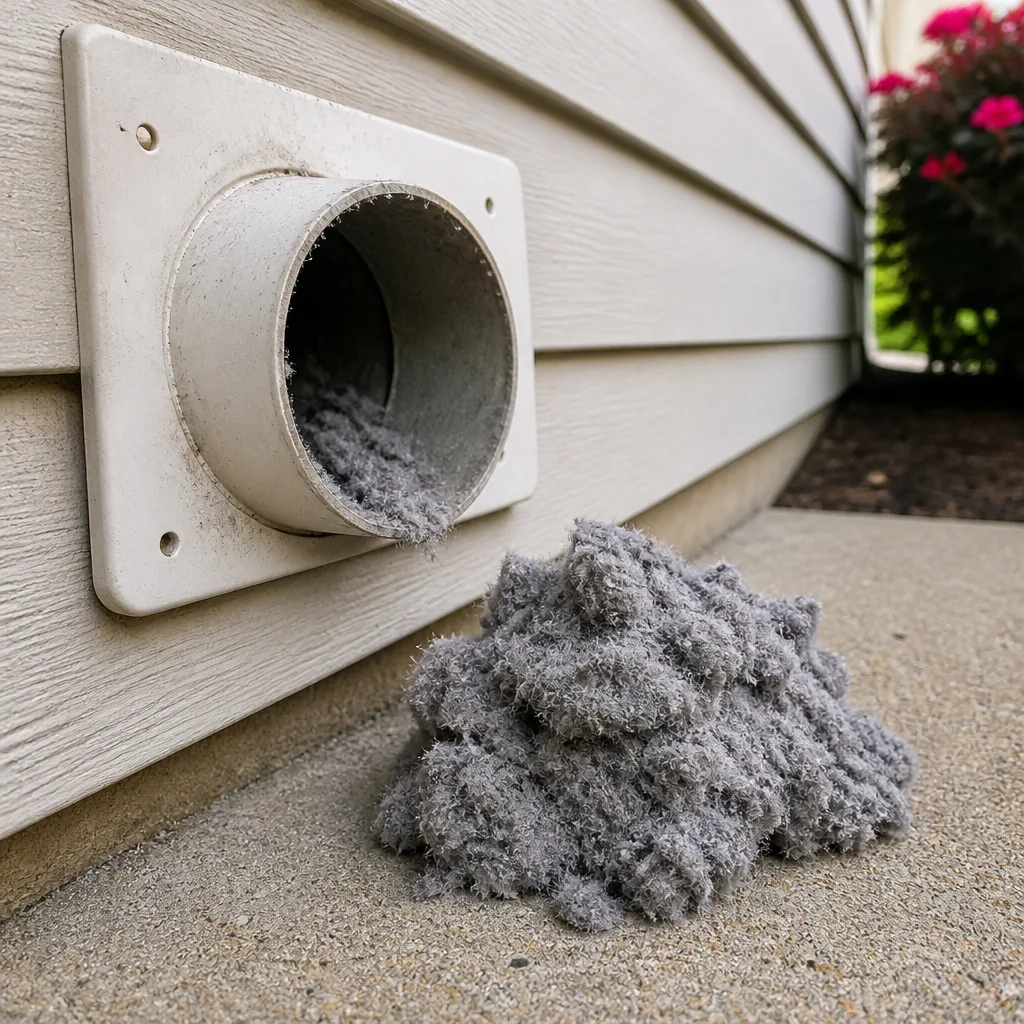 Dryer vent cleaning
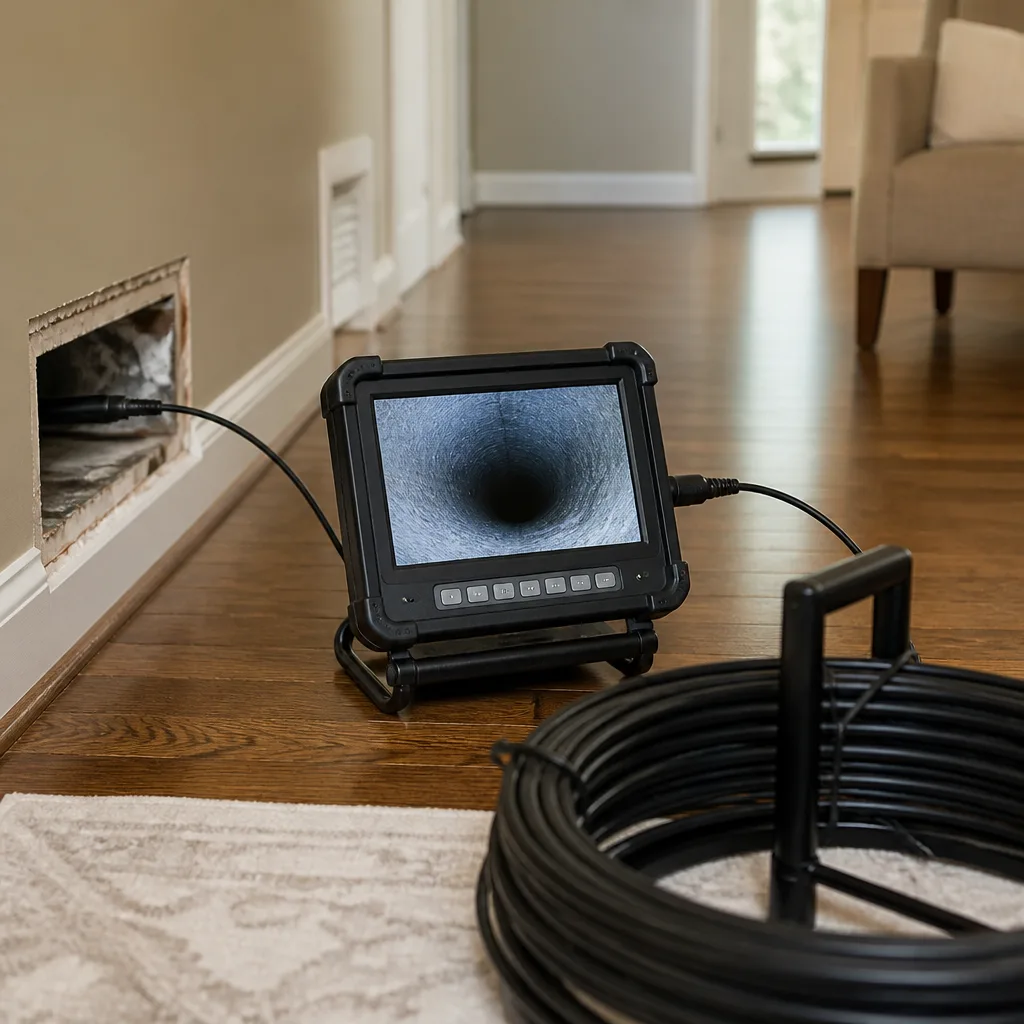 Camera inspection
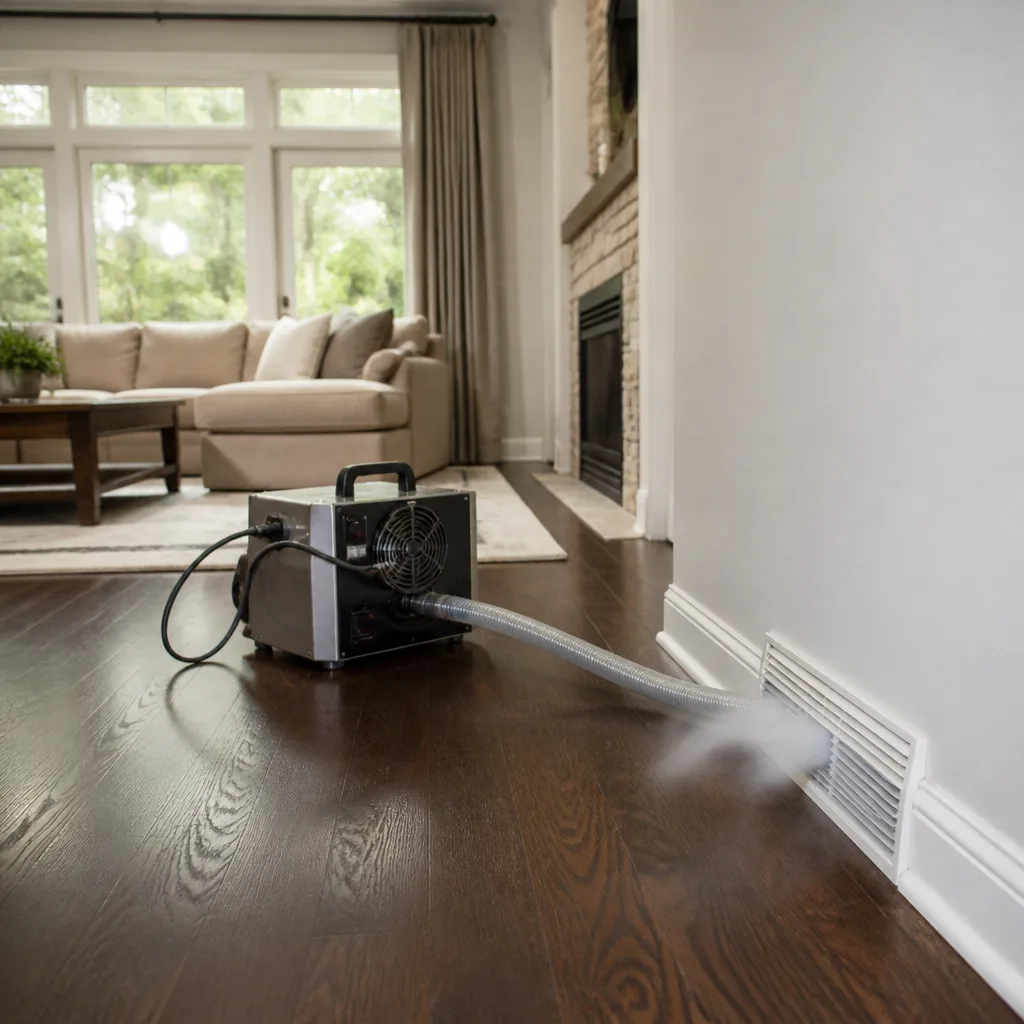 Sanitizing & deodorizing
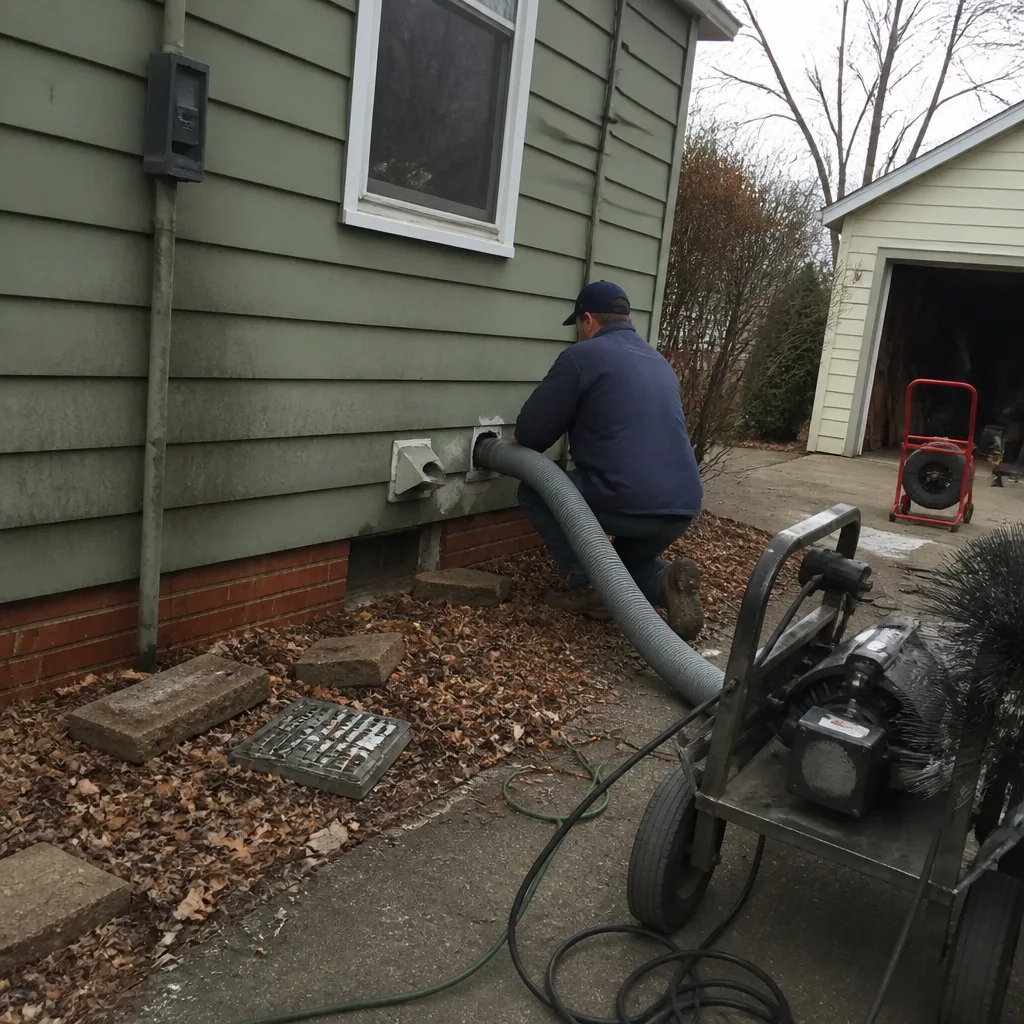
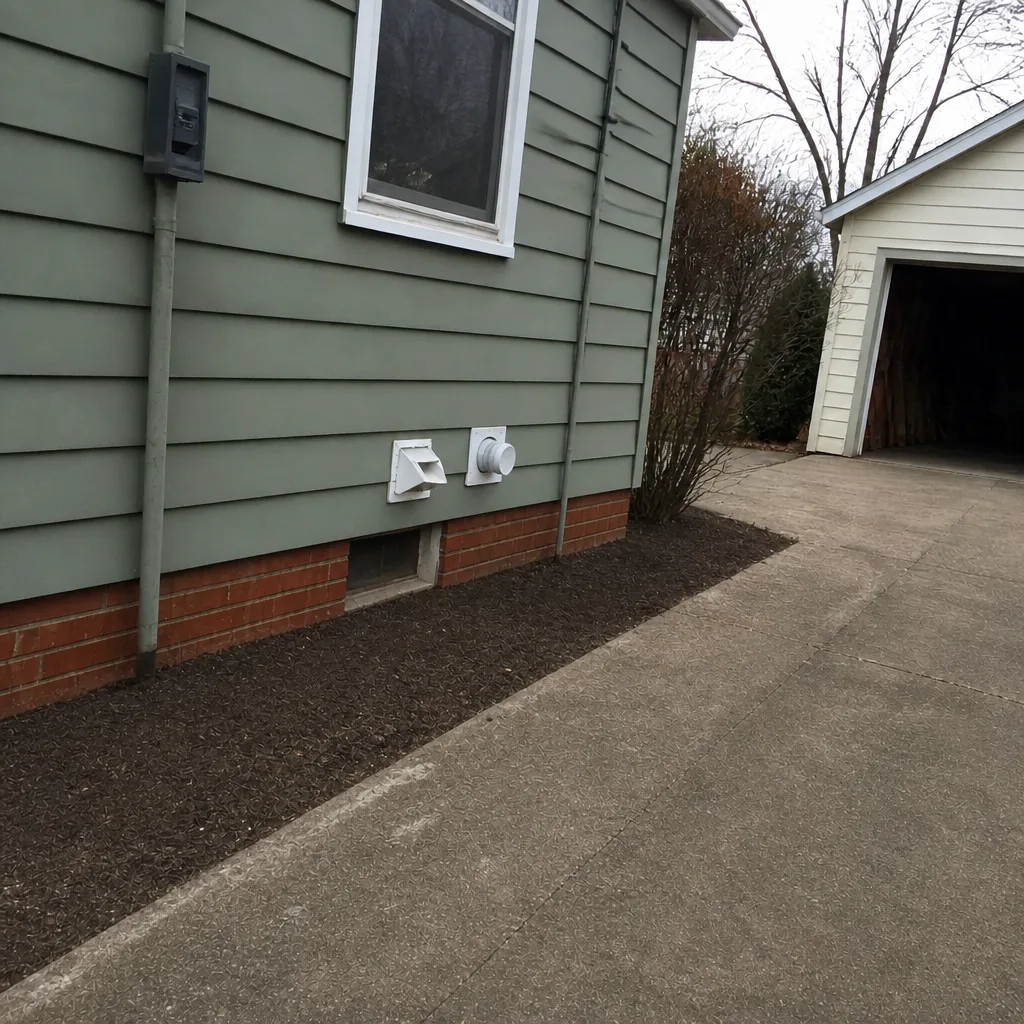
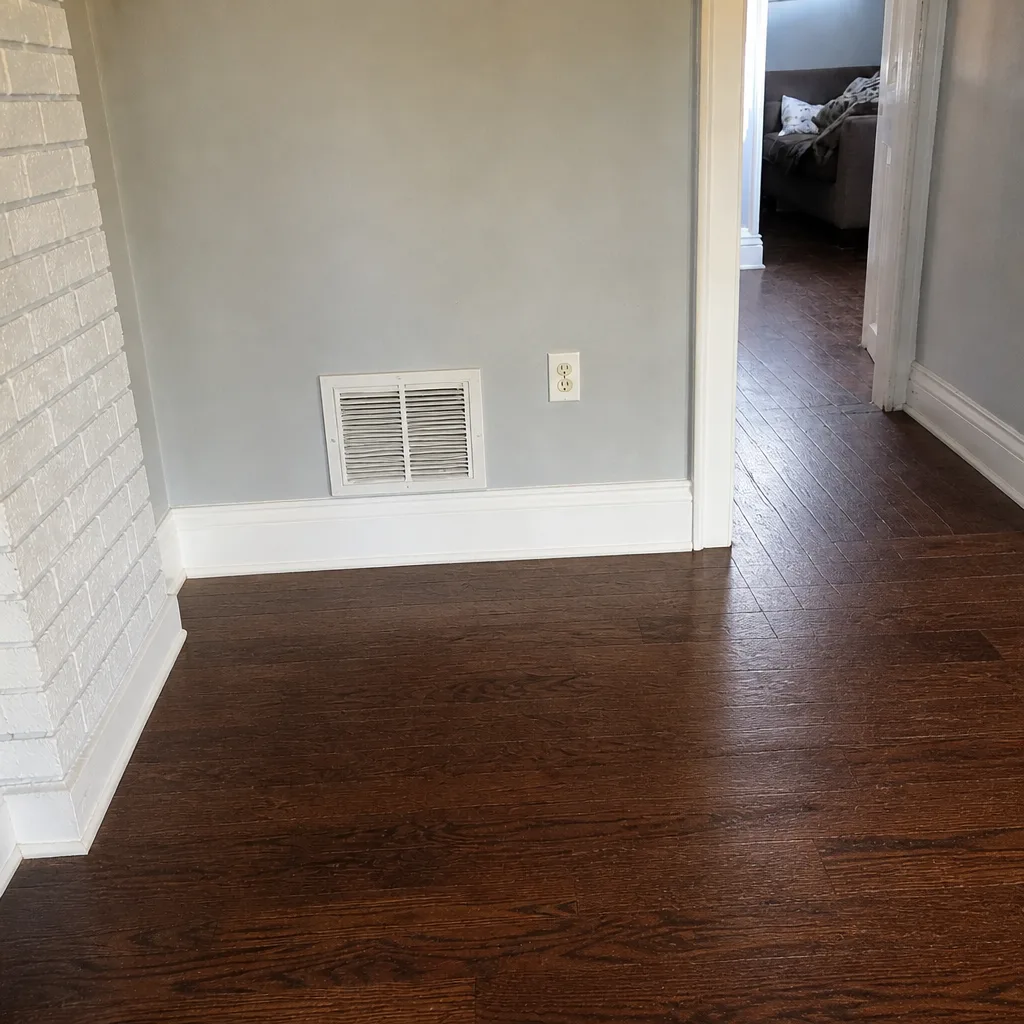
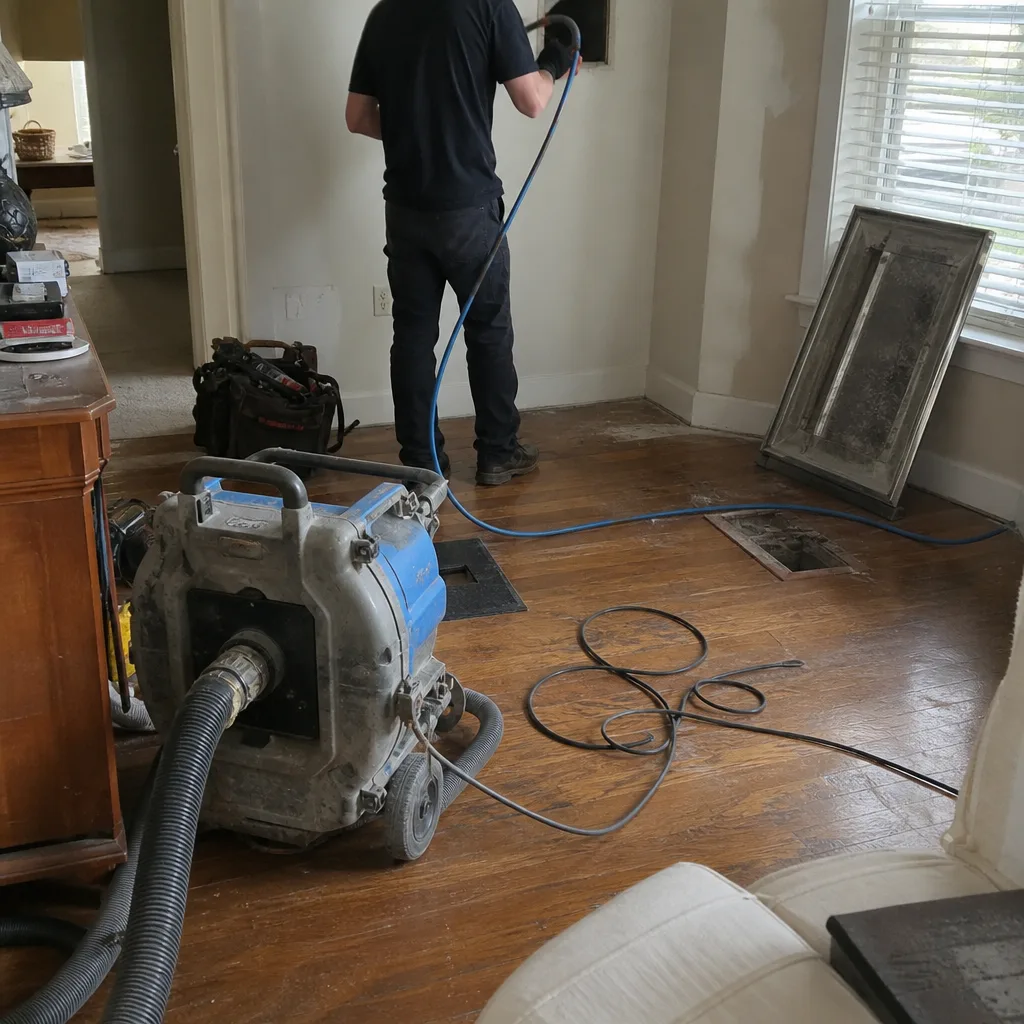
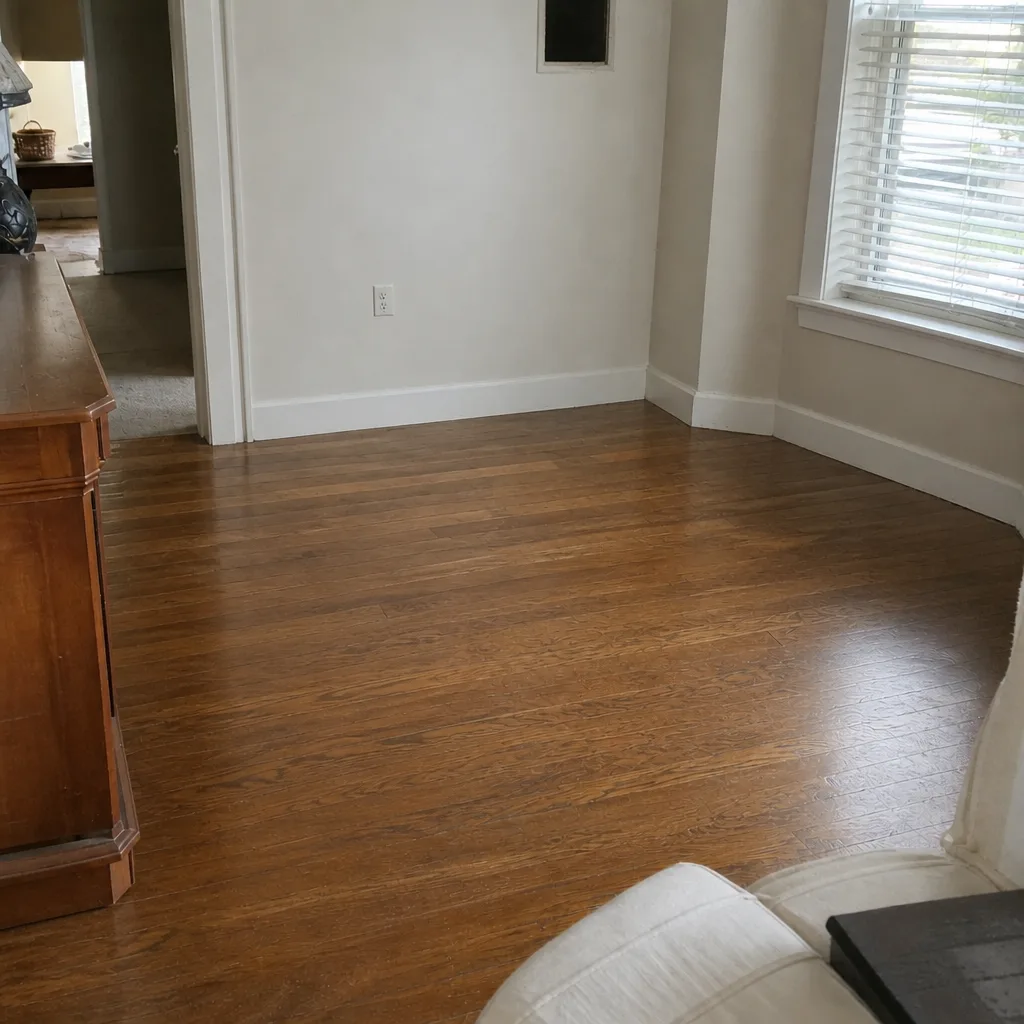
Whole-system duct and dryer vent check with before-and-after photos - you see exactly what came out of your vents
That "$99 whole-house special" is a bait ad - the real number appears once they are in your hallway, or the "clean" is a shop-vac at the register. We photograph the inside of your ducts before and after instead.
Air Duct Cleaning Maintenance Schedule: What to Do and When
The “3-to-5 years” recommendation printed on most duct cleaning websites was written for a generic house. It was not written for a 1940s Plaza Midwood bungalow with original flex duct running through an unconditioned crawl space, a pair of shedding dogs, and a gas furnace that runs six months out of the year. That single number ignores every variable that actually determines how fast a duct system loads up with dust, dander, and debris. On this page we’re going to build a cleaning calendar around your actual system: your duct material, your foundation type, your HVAC runtime, and who lives in the house. By the end you’ll know how to set your own baseline, what to check each season, and the specific triggers that mean it’s time for a full professional extraction rather than another filter swap.
Quick Answer
There’s no universal duct cleaning interval. Most homes need a full professional cleaning every 2 to 5 years, but that range shifts based on duct material, foundation type, pets, smoking, allergy households, recent renovations, and how hard your HVAC system runs. The right way to set your schedule is a baseline camera inspection of the main trunk line first, then a maintenance calendar with filters, register wipe-downs, and drip pan checks in between.
Styles & brands we work with
- Whole-home duct cleaning
- Dryer vent cleaning
- Camera inspection
- Sanitizing & deodorizing
Table of Contents
- What Determines Your Cleaning Interval?
- The Baseline Inspection: Where Your Clock Actually Starts
- Your Year-by-Year Maintenance Calendar
- The Triggers That Mean “Clean Now”
- How Duct Sealing Extends Your Cleaning Interval
- Post-Renovation Timing: When to Schedule the Clean
- Plaza Midwood Housing Stock and What It Means for Your Ducts
- Common Mistakes to Avoid
What Determines Your Cleaning Interval?
Every duct system collects dust at a different rate. Two houses on the same block in Plaza Midwood can have wildly different cleaning needs because the variables that drive accumulation aren’t the same. Before you pick a number, run through these.
Duct material: flex vs. sheet metal
Flex duct has a corrugated interior that traps particulate far faster than smooth sheet metal. The ridges catch dust, and the plastic liner holds a static charge on some products that pulls fine dust out of the airstream. A home with flex duct running through a crawl space will generally need cleaning sooner than the same home with sealed sheet metal. Sheet metal is smoother and easier to clean thoroughly, but poorly sealed joints let outside air and dust in through the gaps.
Foundation type: crawl space vs. slab
Crawl space duct runs see more humidity swings and more airborne dust than slab homes where the ducts live in the ceiling or a conditioned chase. In Plaza Midwood, a lot of older homes sit on pier-and-beam foundations with ducts in the crawl, and those are the runs that need attention first. Slab homes with attic ducts have their own issue: hot attic air and radiant heat can degrade flex duct over time, and deteriorating duct insulation releases particles into the airstream.
HVAC runtime and fuel type
A gas furnace that runs hard through a long heating season moves more air through the ducts than a heat pump that cycles less. More air movement means more dust pulled through the return and deposited on duct surfaces. Homes with a system that runs nearly continuously because of undersized equipment or a leaky envelope will dirty their ducts faster than a well-sealed, correctly sized system. Runtime is one of the biggest levers, and it’s invisible on a generic cleaning calendar.
Occupancy factors
Pets, smokers, allergy or asthma households, kids, and the number of people in the home all change the math. A household with two shedding dogs and a family member with seasonal allergies is on a tighter schedule than a retired couple with no pets. Recent renovations add a whole separate trigger, which we cover below.
The Baseline Inspection: Where Your Clock Actually Starts
A camera scope of the main trunk line is the single most useful thing you can do before you set any cleaning schedule. It answers a question no calendar can: how much is actually in there right now?
Here’s the sequence we recommend, in order:
- Pull a register and look inside. Remove a supply register on the longest run and one on the return, use a flashlight, and look at the first foot of duct. Visible dust buildup means the clock is already running.
- Scope the main trunk. A small camera through an access point shows whether the trunk line has significant debris, whether flex duct has collapsed or torn liner, and whether there are visible leaks or disconnected sections.
- Check the air handler and coil. A dirty evaporator coil and blower wheel tell you the system is pulling dirt through, and that dirt had to come from somewhere.
- Confirm the last cleaning date if you can. If the previous owner cleaned the system, find out when. If not, treat the home as unknown and run the baseline inspection.
- Set the interval. Based on what the scope shows, your duct material, foundation, runtime, and household factors, choose a starting interval and put a review date on the calendar.
This baseline step is what separates a real schedule from a guess. It’s also a natural place to bring in air duct cleaning work only if the inspection shows it’s warranted. A camera scope that finds clean ducts is money saved.
Your Year-by-Year Maintenance Calendar
Between professional cleanings, most of the work is small and seasonal. Here’s a calendar organized by frequency rather than by month, because a Plaza Midwood home with a gas furnace and one with a heat pump don’t share the same rhythm.
Every 1 to 3 months
- Change the filter. The single highest-impact habit. Standard 1-inch filters every 1 to 3 months, high-MERV or media filters can go longer but check them monthly.
- Wipe down supply and return registers. Dust on the outside of a register is a sign dust is accumulating inside. A microfiber cloth keeps the surface clean and gives you a visual read.
- Check the drip pan. Standing water or slime in the condensate pan means the system is pulling humid air through surfaces it shouldn’t. Clean the pan and check the drain line.
Every 6 to 12 months
- Inspect accessible duct runs. Look for sagging flex, disconnected joints, torn insulation, or visible dust trails at the seams. A flashlight from the crawl space access is enough.
- Vacuum return grilles. Returns pull more volume than supplies and load up faster. A shop vac with a brush attachment is fine here.
- Check the condensate drain line for clogs, and confirm the air handler cabinet doesn’t have a dust layer on top of the coil.
Every 2 to 5 years
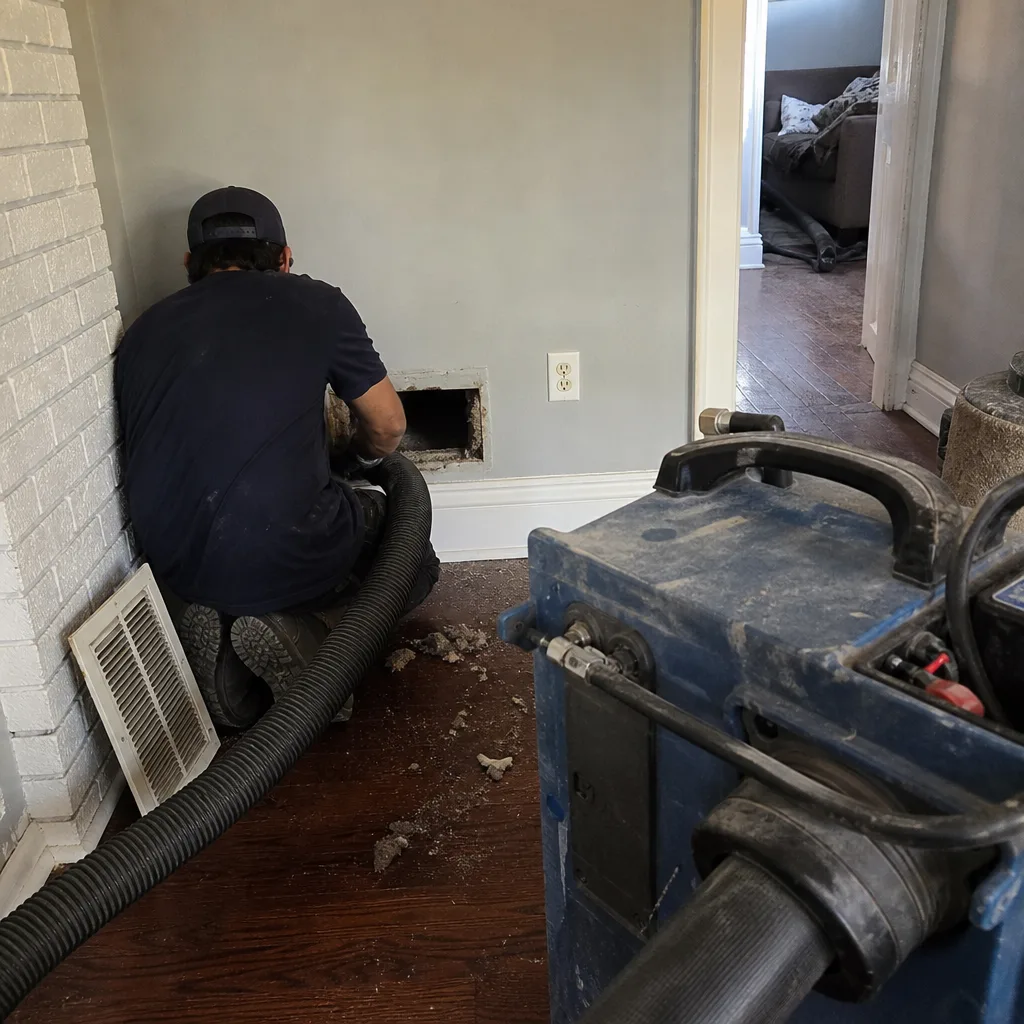
- Full professional extraction of the supply, return, and main trunk, plus a clean of the blower wheel and coil. Use a source-removal method with rotary brush and HEPA filtration.
- Duct sealing inspection. Use a smoke test or a pressure test to find leaks, then seal with mastic at the joints or consider an aerosol-based sealer for the trunk and branch runs.
- Re-baseline the camera scope. Confirm the ducts are actually clean, and reset the interval based on what you see.
Clean ducts are step one; sealed ducts are the finish line. Skipping the sealing step is the most common reason a homeowner winds up cleaning again before the interval is up.
The Triggers That Mean “Clean Now”
A calendar is a floor, not a ceiling. Any of the following should move your next cleaning up, regardless of when you last had it done:
- Visible dust puffs from a supply register when the blower kicks on. That’s particulate being pushed out, not filtered.
- A persistent musty or “dirty sock” smell from the vents. Often microbial growth on the coil or in a wet section of duct.
- Allergy or asthma symptoms that spike indoors and follow HVAC cycles.
- New pets, a smoker in the home, or a new baby – each one changes the household’s dust load.
- After any renovation, once drywall dust has actually settled (see the next section).
- A new-to-you home with unknown duct history. Baseline scope first, cleaning if warranted.
- Visible mold, rodent droppings, or pest activity inside the duct or at the registers. This is a sanitizing and HVAC cleaning job, not a filter change.
- A recent HVAC replacement or major repair that disturbed duct runs.
Two or more of these at once is a strong signal to stop waiting on the calendar and get a scope done.
How Duct Sealing Extends Your Cleaning Interval
Every leak in a duct system is a two-way door. Air escapes into the crawl space or attic, and outside air – along with dust, insulation fibers, and crawl space moisture – gets pulled back in through the same gap and any others nearby. Sealing those leaks does more for your cleaning interval than almost any other maintenance step.
The two common methods:
- Mastic and mesh tape at accessible joints. Cheap, effective, and permanent when applied to clean metal. Works well on trunk joints, plenums, and register boots you can actually reach.
- Aerosol-based sealing (often called by the product name Aeroseal) for the runs you can’t reach – buried flex, chases, and long cavity runs. A fog of sealant is pushed through the system and deposits itself on the inside of the leaks.
Both reduce the volume of outside air and particulate getting into your ducts. A sealed system also runs less, because the conditioned air is going into rooms instead of the crawl space. Less runtime means less dust pulled through the return. That’s the mechanism: sealing doesn’t just improve efficiency, it changes how fast your ducts get dirty.
When we clean a Plaza Midwood home, we bring the same systems commercial contractors use into the house – Rotobrush rotary brush extraction for contact-based cleaning and Abatement Technologies negative-air machines to contain the dislodged debris. Finding leaks during the clean means the Air Duct Cleaning Plaza Midwood team can seal them the same visit rather than scheduling a second trip.
Post-Renovation Timing: When to Schedule the Clean
A cleaning done before drywall dust settles is money wasted. The dust is still airborne, and pulling a vac through the system while it’s circulating just re-suspends what’s already in the air. It settles back into the ducts within days, and you’re back where you started.
The right sequence:
- Finish all drywall, sanding, and trim work. No more cutting, no more sanding, no more spray texture.
- Run the HVAC on fan mode for a few hours a day for 3 to 5 days, with a fresh filter installed, so the system pulls suspended dust out of the air and traps it at the filter.
- Change the filter again before the cleaning, so you’re not pushing a loaded filter’s contents back into the ducts.
- Schedule the cleaning. Clean supplies, returns, and the main trunk, and clean the air handler and coil at the same time. Drywall dust is fine and abrasive; it settles on the coil and blower wheel as well as the ducts.
- Follow up with sealing if the renovation disturbed old duct runs or opened walls. This is the moment to close leaks found during cleaning.
For a Plaza Midwood renovation – and plenty of renovations here go through original 1940s and 1950s housing stock where ductwork may have been re-routed – the follow-up is where most of the value lives. Cleaning without sealing leaves the same leaks pulling the same outside dust back in.
Plaza Midwood Housing Stock and What It Means for Your Ducts
Plaza Midwood’s housing mix creates a specific set of duct realities. A lot of the neighborhood is mid-century bungalows on pier-and-beam foundations, which means crawl space duct runs subject to humidity swings and seasonal temperature extremes. Those runs see condensation in summer and colder-than-ideal air in winter, and both degrade flex duct faster than a conditioned chase would.
The heat and humidity here also matter. Long cooling seasons mean the air handler and coil run more hours than they would in a drier climate, and moisture on a wet coil is exactly where microbial growth starts. A home with a slight drip pan issue in a dry climate might be fine for years; in a Plaza Midwood summer that pan becomes a growth site in weeks.
Older homes here also tend to have been added onto. That shows up in the ducts as abrupt transitions, mismatched duct materials, and re-routed runs that don’t quite line up with the original system design. When we inspect a Plaza Midwood home, we’re looking at the current system, not the one that was installed originally. A scope of the main trunk tells us what’s actually there. Full-scope service under one roof – air duct cleaning, HVAC cleaning, and duct repair and sealing – means the answers we find in the scope are the ones we can act on, not ones that get referred out.
If the schedule turns up evidence the coil or air handler needs its own service, the HVAC cleaning side handles that in the same visit. The same goes for the lint trap of a home’s vent system: dryer vent cleaning belongs on the same maintenance calendar, and most homeowners forget about it.
Common Mistakes to Avoid
- Following the “3-to-5 years” rule without a baseline scope. Two sentences: the number is a starting guess, not a diagnosis. Skip the scope and you’re either cleaning a clean system or waiting too long on a loaded one.
- Cleaning during active renovation dust. Two sentences: the cleaning is wasted if dust is still airborne, and you’ll just pay for it twice. Wait for the sanding to stop and the dust to settle.
- Skipping the sealing step after a cleaning. Two sentences: leaks let the same outside dust back in within months. Clean ducts without sealed ducts are a maintenance loop you’ll repeat.
- Trusting a filter change to do the cleaning. Two sentences: a filter protects the equipment, not the ducts. Dust that bypasses or loads past the filter still ends up on duct surfaces.
- Ignoring the crawl space runs because they’re out of sight. Two sentences: in Plaza Midwood pier-and-beam homes the crawl space ducts are often the dirtiest runs in the system. They deserve the scope, not the neglect.
- Assuming a cleaning means a healthy system. Two sentences: mold at the coil, a leaking drain pan, or deteriorated duct insulation all need addressing alongside or after the clean. Cleaning alone doesn’t fix those.
- Picking the cheapest quote without asking what equipment shows up. Two sentences: a shop vac and a promise leaves debris in the system and in the house. Ask what machine the contractor runs before you book.
See the difference
 Before
 After
 Before
 After
 Before
 After
When to Call a Professional
Call a professional when the baseline scope shows significant debris in the trunk line or supply runs, when you see dust puffs from registers, or when you smell a musty odor that follows HVAC cycles. Call sooner if anyone in the home has asthma or allergies that spike indoors, if there’s been a renovation, or if you’ve moved into a home with unknown duct history. Rodent activity, visible mold inside a duct, or a compressor replacement are all reasons to have the full system evaluated rather than just the ducts. Abatement Technologies negative-air containment matters most in these situations: dislodged debris is captured instead of redistributed through the house.
Air Duct Cleaning Plaza Midwood offers free estimates in Plaza Midwood – call (877) 492-2597. We answer 24/7. Fast dispatch from 7am to 7pm, Sunday through Friday. The written estimate is what sets the final price, and it’s agreed before any work starts.
Frequently Asked Questions
Most Plaza Midwood homes need a full professional cleaning every 2 to 5 years, with the exact interval set by a baseline camera scope and adjusted for duct material, foundation type, pets, smoking, allergies, and HVAC runtime. A flex-duct bungalow on pier-and-beam with two dogs is on the tighter end; a slab home with sealed metal duct and no pets is on the looser end. Call (877) 492-2597 for an exact quote – estimates are free.
No, a shop vac at the register reaches the first few inches of duct and adds more dislodged dust to the room than it removes. Source-removal cleaning requires rotary brush extraction and HEPA filtration, which is why professional systems run what they run. Attempting a full clean with consumer equipment often makes indoor air worse before it gets better.
Typical pricing for a full residential clean runs from around $300 for a small single-system home to around $900 or more for a larger home with multiple systems and significant HVAC cleaning included. Duct sealing is priced separately per job. The written estimate sets the final price, and it’s agreed before work starts. Call (877) 492-2597 for an exact quote – estimates are free.
Because they’re not doing the same job. A low quote is often a shop vac and a few minutes at each register, without HEPA filtration, without a proper rotary brush, and without negative-air containment to capture dislodged debris. The low price usually becomes a larger invoice once the technician is inside and finds the “extra” work that wasn’t in the original number. Ask what equipment shows up before you book.
Ask for before-and-after photos of your own ducts, not stock photos, and take a look at the register openings yourself once the job is finished. A camera scope of the main trunk before and after is the clearest proof. We document both.
Yes. Sealing closes the leaks that pull outside dust and crawl space particulate into the ducts, and it reduces HVAC runtime by getting conditioned air into the rooms instead of the crawl space. Less outside air and less runtime mean slower dust accumulation. Mastic at accessible joints and aerosol sealing for the runs you can’t reach both do the job.
The Bottom Line
Your duct cleaning schedule isn’t a number you find on a website. It’s the intersection of your home’s duct material, foundation, HVAC runtime, and household factors, set by a baseline camera scope and reviewed with a seasonal calendar in between. Change filters often, wipe registers and check the drip pan on a schedule, scope the trunk every few years, and seal the leaks that cleaning turns up. In Plaza Midwood, the age and crawl space layout of the neighborhood’s housing stock makes that baseline inspection more valuable than any generic interval. Our technicians have up to 14 years of experience with Rotobrush, Abatement Technologies, and Honeywell and Aprilaire products – and we’re happy to scope your system and build the schedule around it. Call (877) 492-2597 for a free estimate.
Written by the team at Air Duct Cleaning Plaza Midwood.